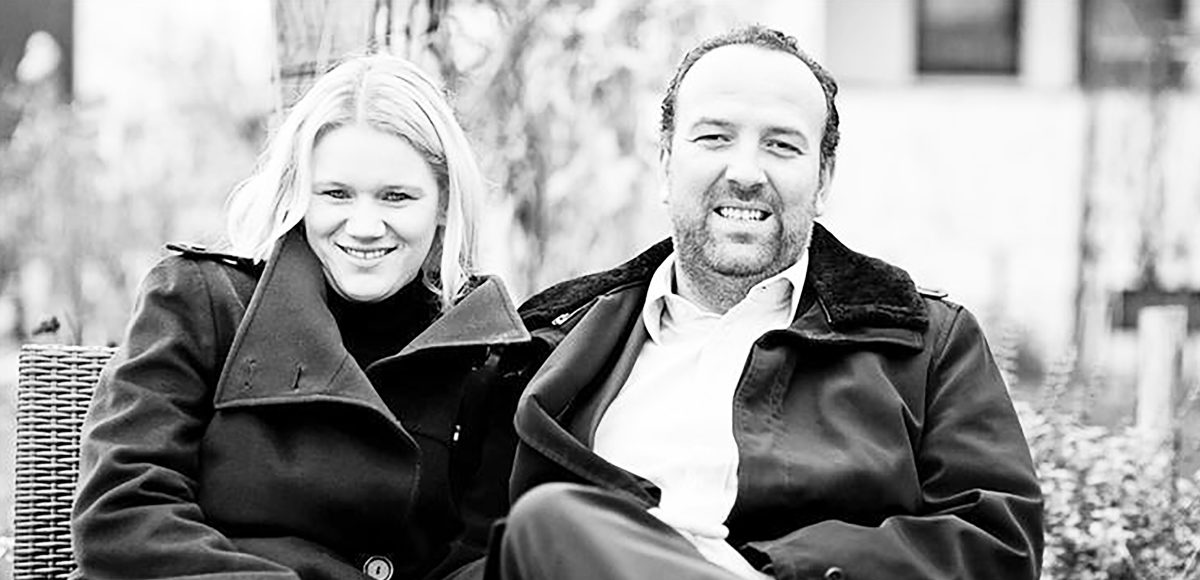


“The wines are kind of a mirror of us. They are harmonic, they have freshness, they are deep, they need time to show their great character, they are not everybody’s darling, and they turn better with age.” — Gerhard Kracher
Sohm & Kracher is a partnership between the Sohm family and Gerhard Kracher, built on a shared devotion to great food and wine and a love of Austria’s dry grüner veltliners. With a strong partnership and a shared vision, the partners had little trouble honing their concept. The wines would be grüner veltliner grown in the Weinviertel, a region they recognized as underestimated given its old vineyards, diverse soils and unique microclimate, and made in accordance with two basic principles. They should be low to moderate in alcohol and should never be unctuous in character. Since the first vintage in 2009, the project has kept a sharp focus on grüner veltliner, even as it has widened the scope of exploration across sites and styles, from the brisk, peppery “Lion” to the Chablis-like “St. Georg.” Sohm & Kracher now works with several crus in the Weinviertel and one pure limestone parcel in the village of St. Georgen, Burgenland, almost directly across the Neusiedlersee from the Kracher family winery in Illmitz.
Gerhard Kracher
Gerhard is the son of the late Alois Kracher Jr., a profoundly influential force in Austrian winemaking. In the 1980s, Alois recognized that Seewinkel, home to the sweet wine-producing area of Burgenland where the Kracher Winery is located, had the climate and geography to make world-class Trockenbeerenauslese. It took some clever efforts to convince the world that he had elevated Austrian sweet winemaking to a level worthy of its regard, but once he did, this otherwise unremarkable wine growing subregion was inked on the map. Alois passed away in 2007, leaving the estate to Gerhard, who, fortunately, had already been deeply involved in its workings since age 19 and has ably maintained his father’s standards in making some of the world’s top botrytised wines. Outside the cellar, Gerhard is “always on the hunt for culinary treasures,” and enjoys fishing and cycling.
The Weinviertel and St. Georgen in Burgenland
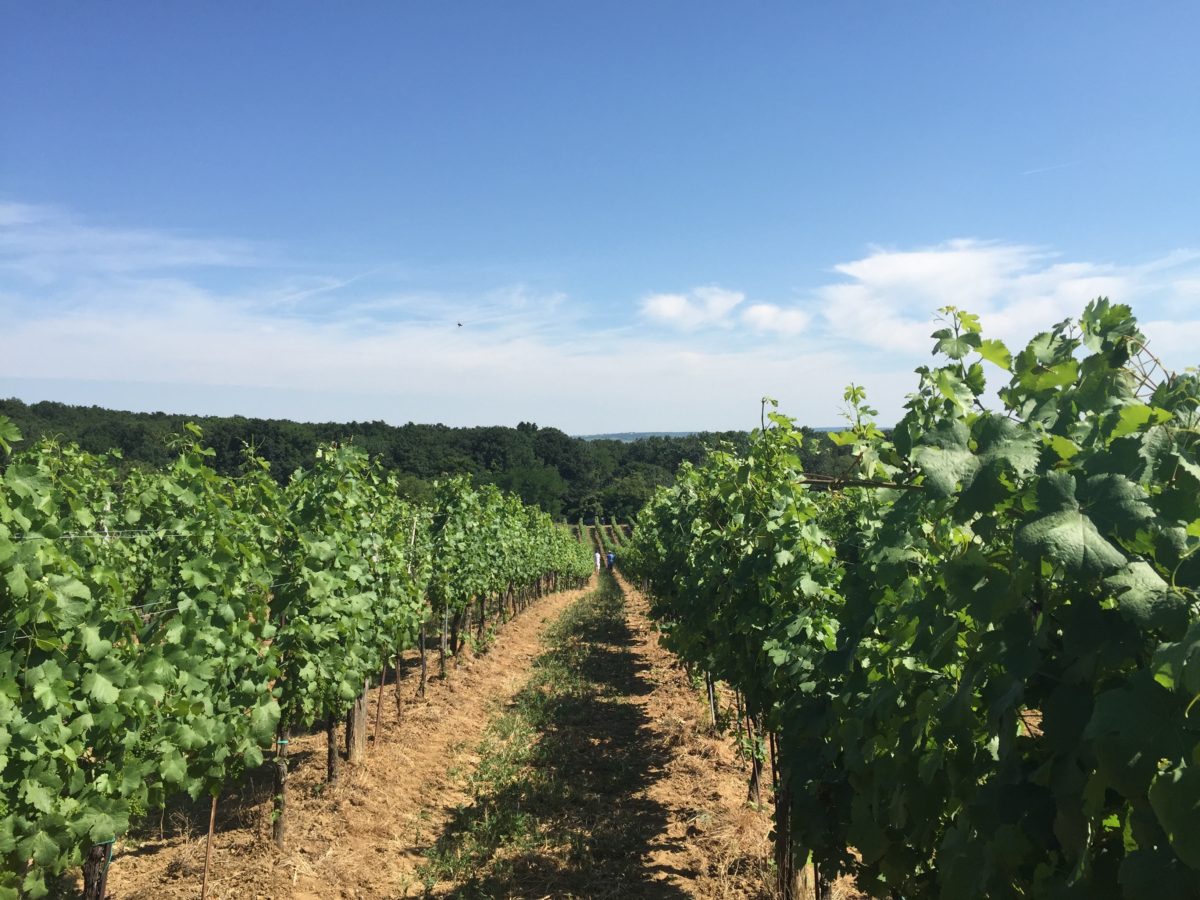
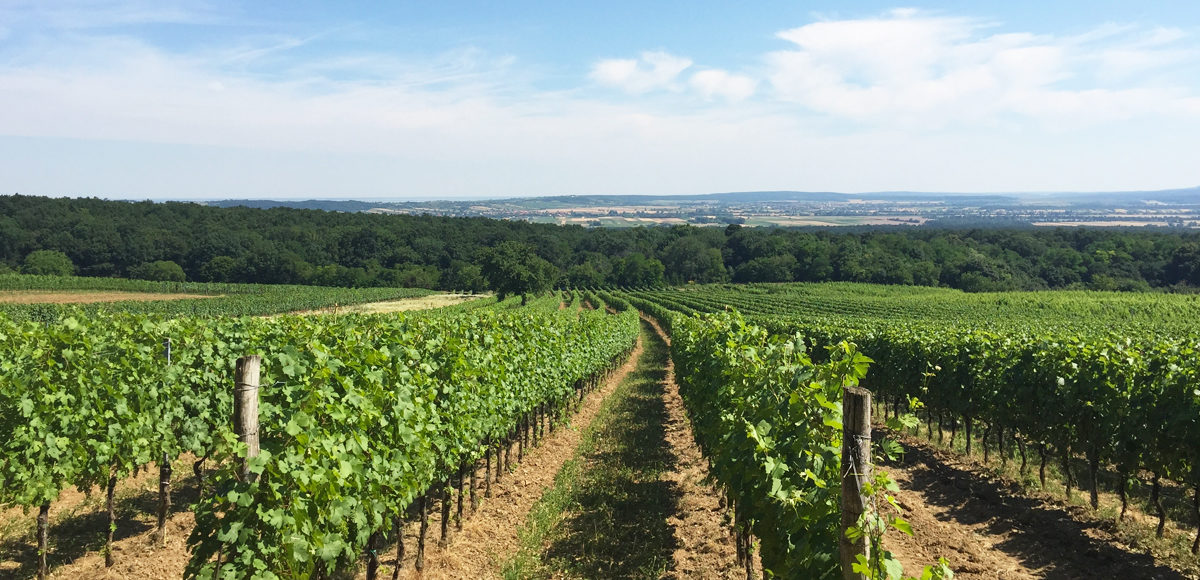
The Weinviertel (“wine quarter”) is a quintessential European landscape of rolling fields and vineyards dotted with tidy, attractive villages. It is quite large, easily four times the size of the Kremstal, and comprises the northeastern corner of Austria, from the Czech border to the Slovakian, from the edge of Kamptal and Wagram to the Vienna city limits. It encompasses a correspondingly broad range of elevations, climates and soils. Although grüner veltliner has a fairly brief history here, it is undoubtedly the grape of the Weinviertel. Nearly half of all vineyards are planted to this variety, which gives a signature expression of white pepper and vibrant acidity distinctive enough to have earned it Austria’s first DAC. Soils here tend to loam, gravel and limestone. The climate is cool, shielded from the heat of the Pannonian Plain by the Slovakian hills.
Burgenland, on the other hand, is better known for its noble sweet and red wines. But St. Georgen, near the low Leitha mountain range, is an exception, and for more than one reason. This is the village where the second parent grape of grüner veltliner was discovered in 2000 (traminer is the mother vine, St. Georgen the father). The parcel Sohm & Kracher works with is a cool, mid-slope site of pure Muschelkalk (shell limestone), characteristics that inspired a beautifully textured, distinctly saline Chablis-style grüner veltliner.
Vineyards
Sohm & Kracher partners with growers who cultivate a combined six hectares in both regions. “It was not so easy to find the right guy who owns this type of vineyard and farms it with our vision,” Gerhard has said. Vine age is an important consideration. It ranges from 10 to 25 years for “Lion” up to 40-plus for “Single Vineyard.” The project’s first wine, the “Single Vineyard,” comes from a half hectare about 25 minutes northeast of Vienna, in Wolkersdorf. It’s a south-facing hill of chalk-rich soils. For “Alte Reben” and “Lion,” the vineyards are an hour north of Vienna, in various south- and southeast-facing crus spread over five hectares in the Pulkautal. For “St. Georg,” the grapes are sourced from the Muschelkalk soils of a southeast-facing 0.4 hectares at the foot of the Leithagebirge, in St. Georgen. All vineyards are 100% hand-picked.
In the cellar
Gerhard makes the Sohm & Kracher wines at the Kracher family winery in Illmitz, Burgenland. All fermentations are spontaneous and temperature-controlled. Fermentation vessel is determined by the style objective of the wine. Gerhard’s philosophy on SO2 is a blunt “as much as needed.” All of the wines remain on the fine lees until very shortly before bottling and are fermented bone dry. “Lion” spends seven to eight months in stainless steel and gives a classic expression of grüner veltliner’s primary aromas, brisk character and potential for length. “Alte Reben” spends two years in 50% stainless steel tank and 50% used barrique for altogether greater length, breadth and complexity. “St. Georg” is raised in 1,000-liter cask and third-use barrique, yielding an amply textured and superbly gastronomic wine. “Single Vineyard,” raised in 1,000- or 1,500-liter Slavonian oak casks for three years, represents a truly exalted style for grüner veltliner. All of the wines are “quite reductive,” notes Gerhard, “so decanting is something I would always recommend. But these wines can also stay open for two or three days, no problem.” Gerhard believes the aging potential of the Sohm & Kracher wines ranges from five years for “Lion” up to 20 years for “Single Vineyard.”
Producer summary
Sohm & Kracher is a partnership between the Sohm family and Gerhard Kracher, built on a shared love of the great foods and wines of the world, especially dry grüner veltliner from Austria. From the start, the focus was grüner veltliner grown in the Weinviertel and made according to two basic principles. The wines should be low to moderate in alcohol and should never be unctuous in character. Since the first vintage in 2009, the project has kept a sharp focus on one variety, from the brisk, peppery “Lion” to the Chablis-like “St. Georg.”


