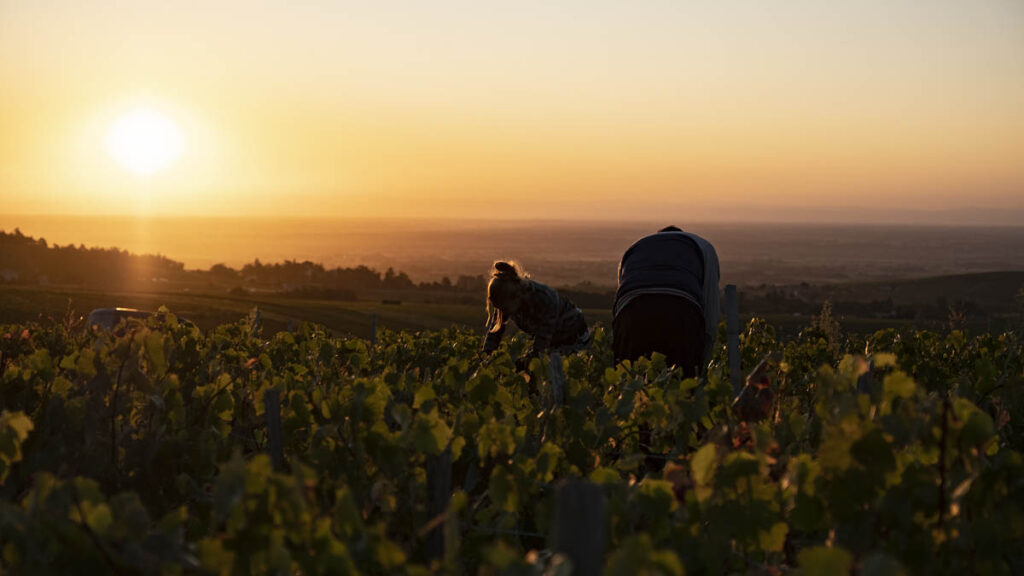
“Respect for terroir has always been valued here.” — Denis Meunier
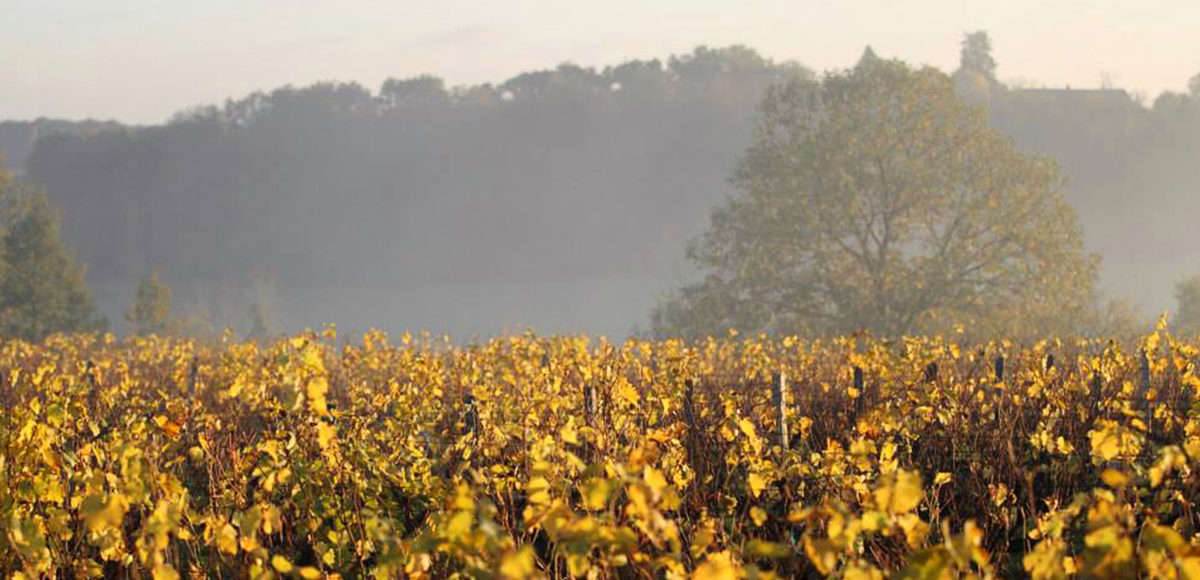
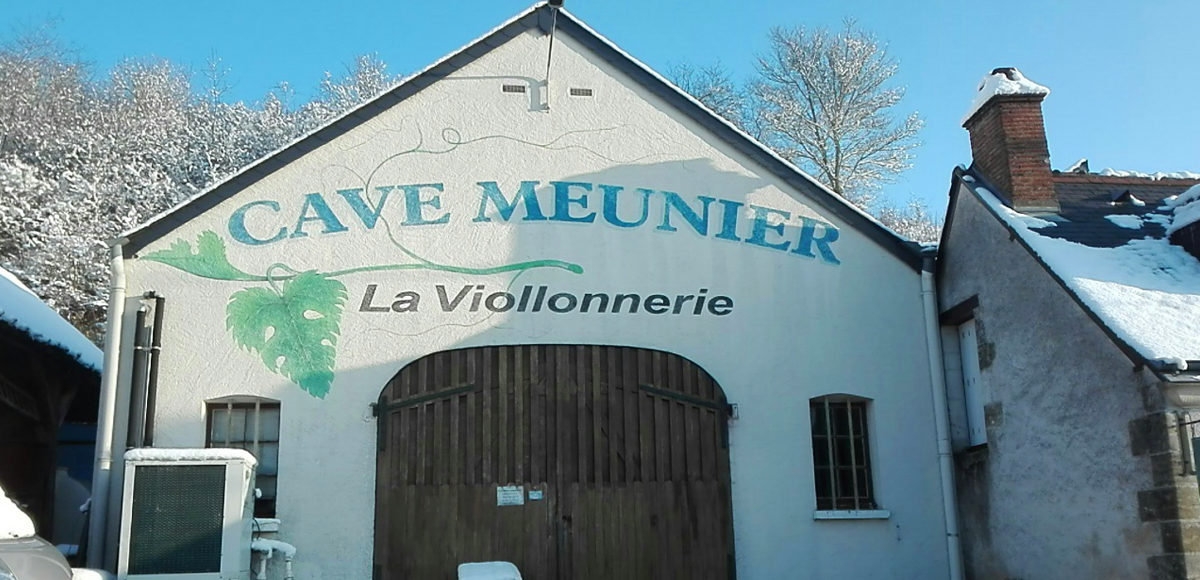
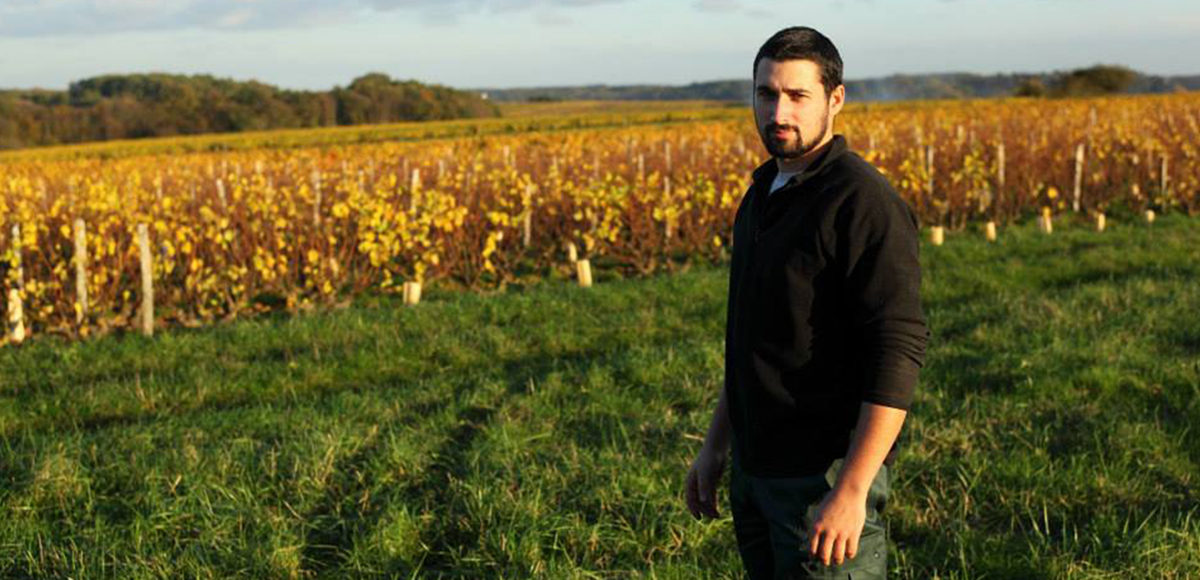
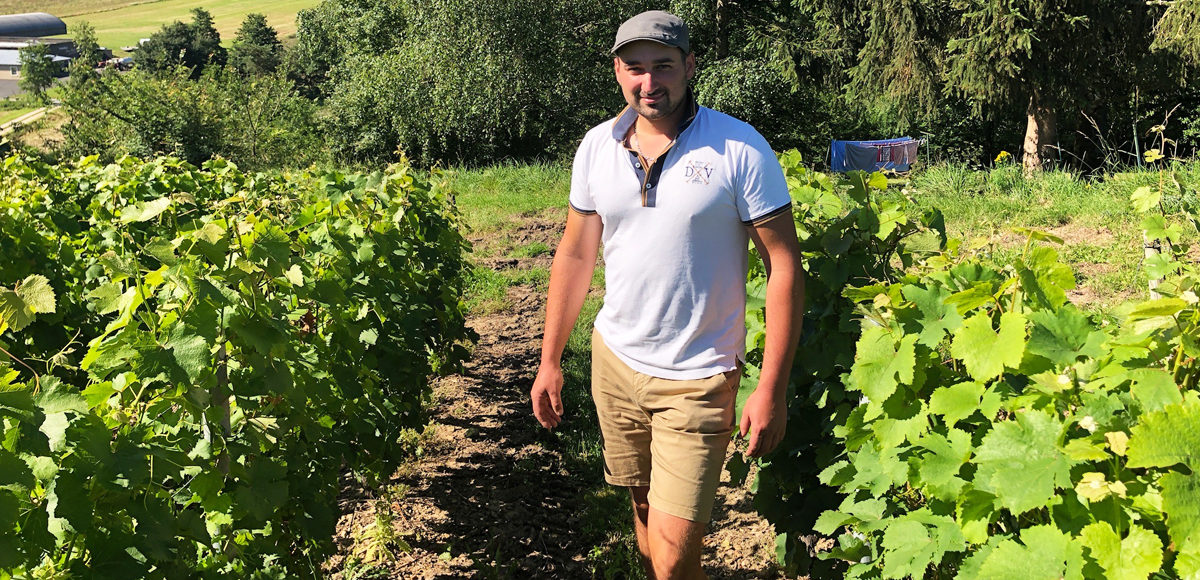
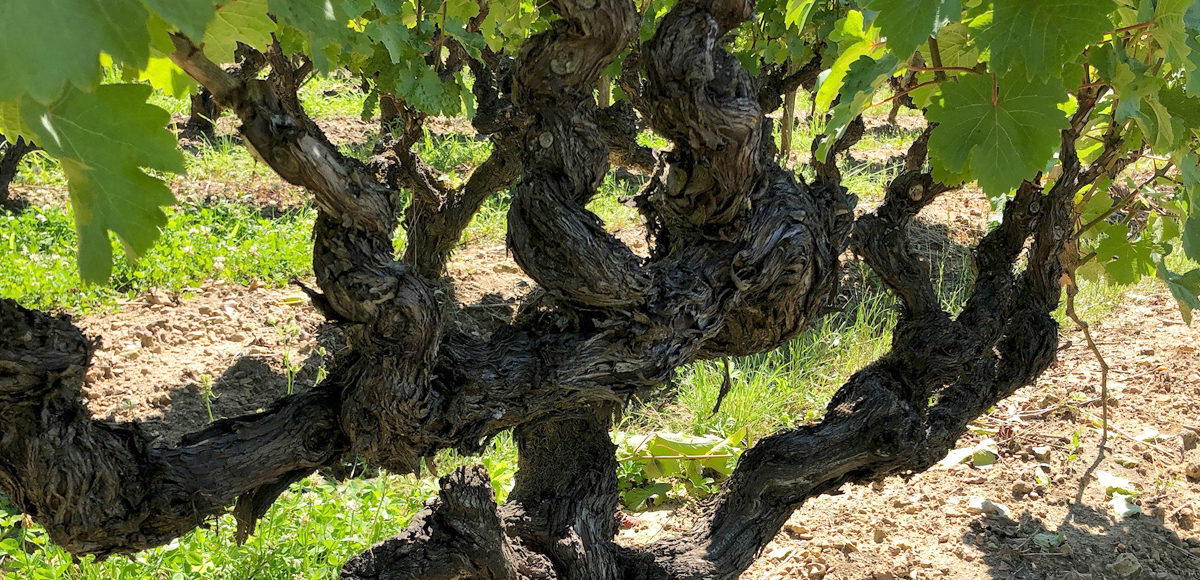
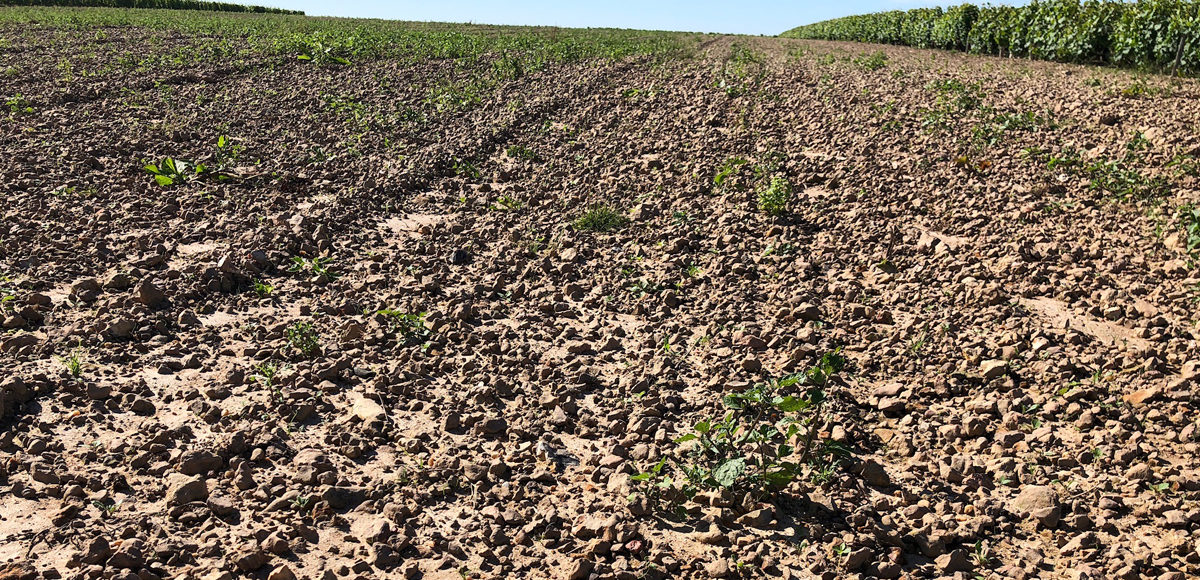
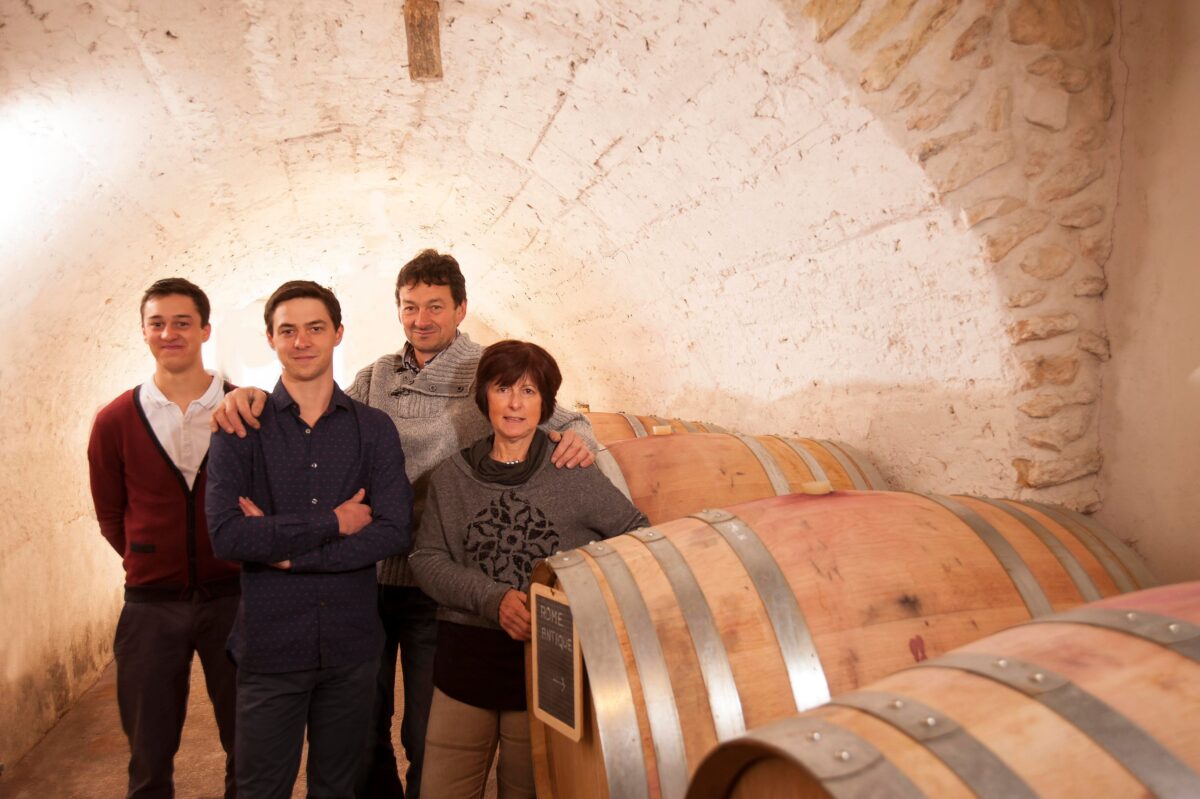
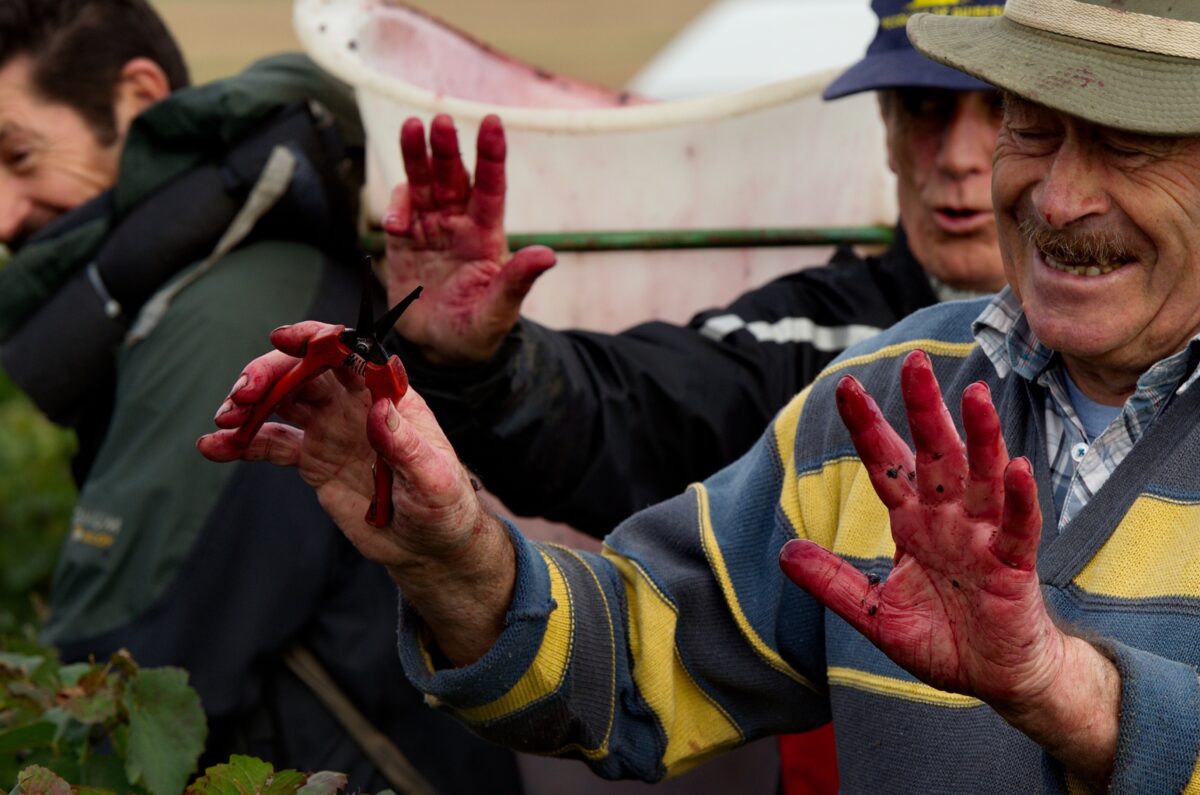
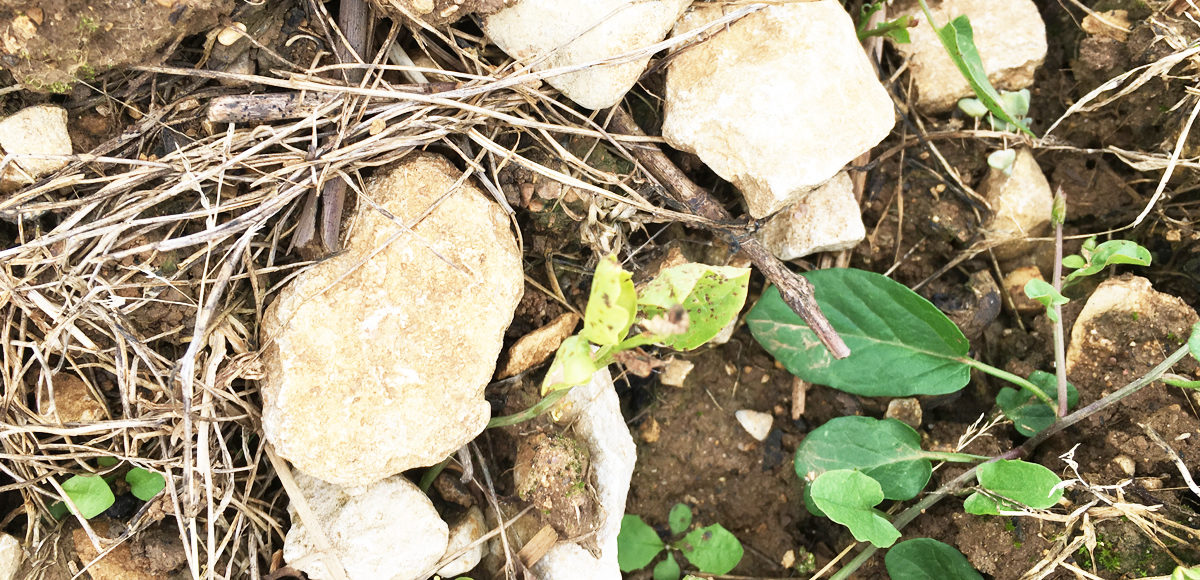
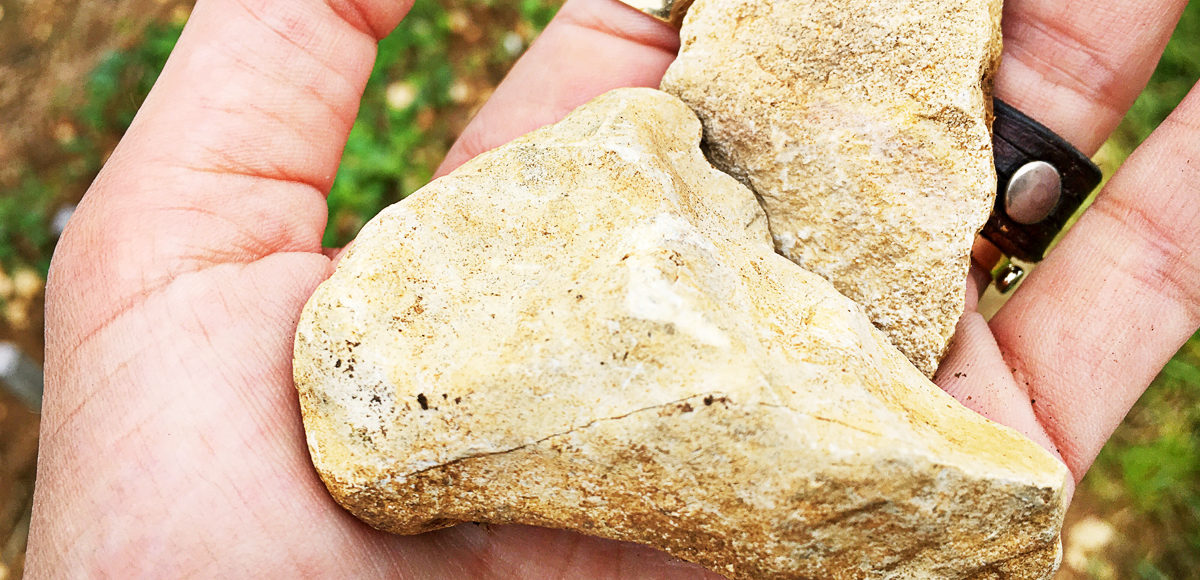
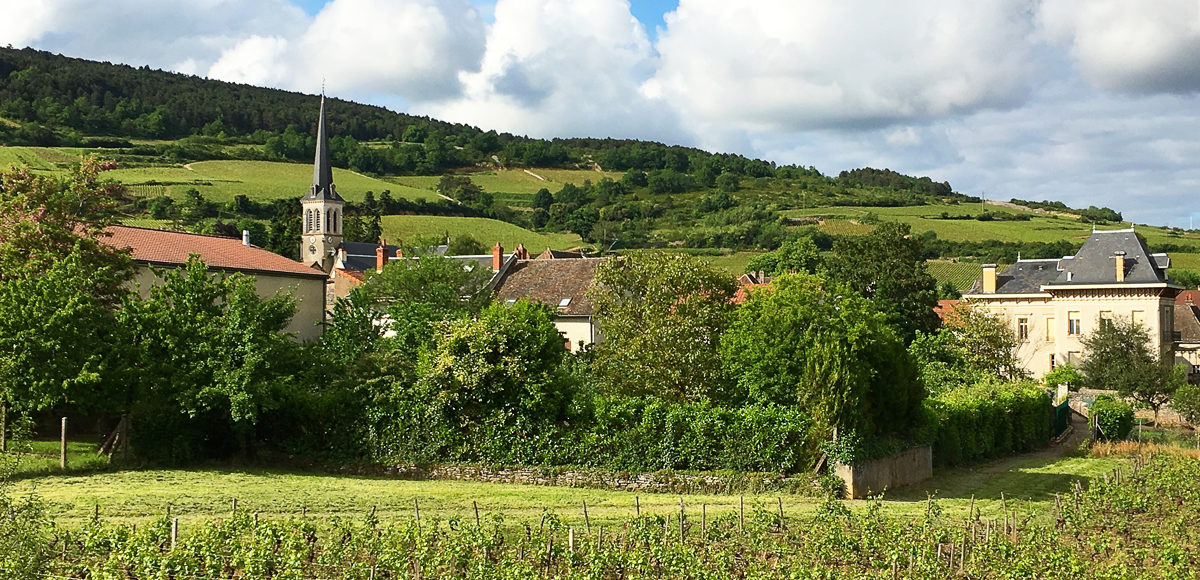
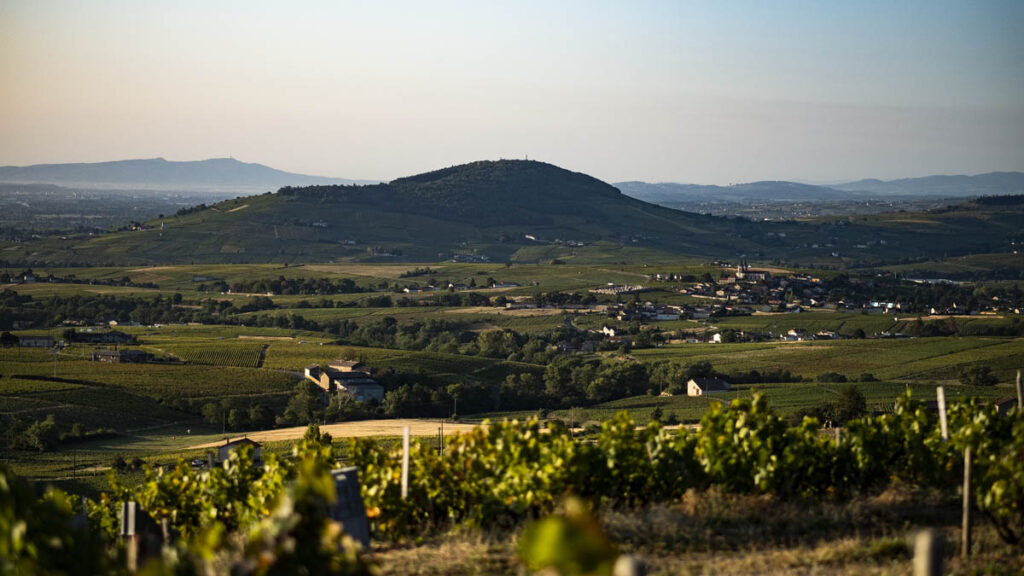
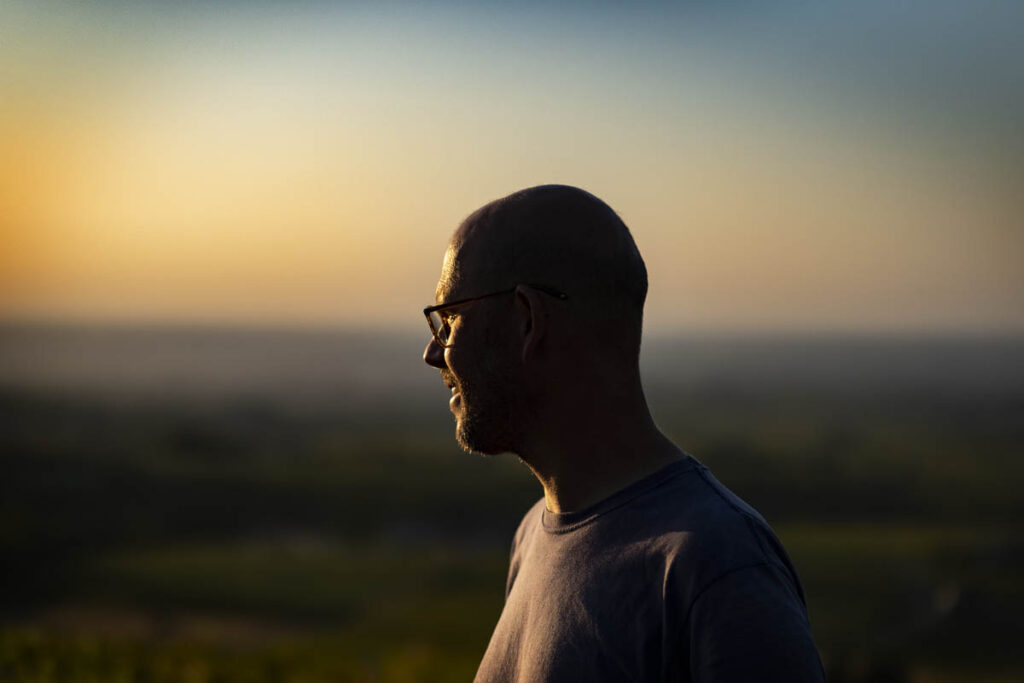
Although Denis Meunier is only 26, his small domaine is one of the most old-school you are likely to see in Vouvray. In 2012, Denis took over 13 hectares of chenin blanc (with vines up to 65 years old) from his father and uncle. Even after a string of heartbreaking vintages early in his tenure, Denis’s vision and dedication are unshaken. He is moving the domaine toward organic farming, with a resolute “respect for terroir” — in his case, the distinctive gravelled tuffeau and clay-silex soils of Vernou-sur-Brenne. Recent investment in more sophisticated equipment is allowing Denis to work with much greater precision on the press pad and in the cellar. The results are pure, crisp, lively chenins that both harken to a classic Vouvray style and anticipate a long trajectory of terroir-focused winemaking for this driven young vigneron.
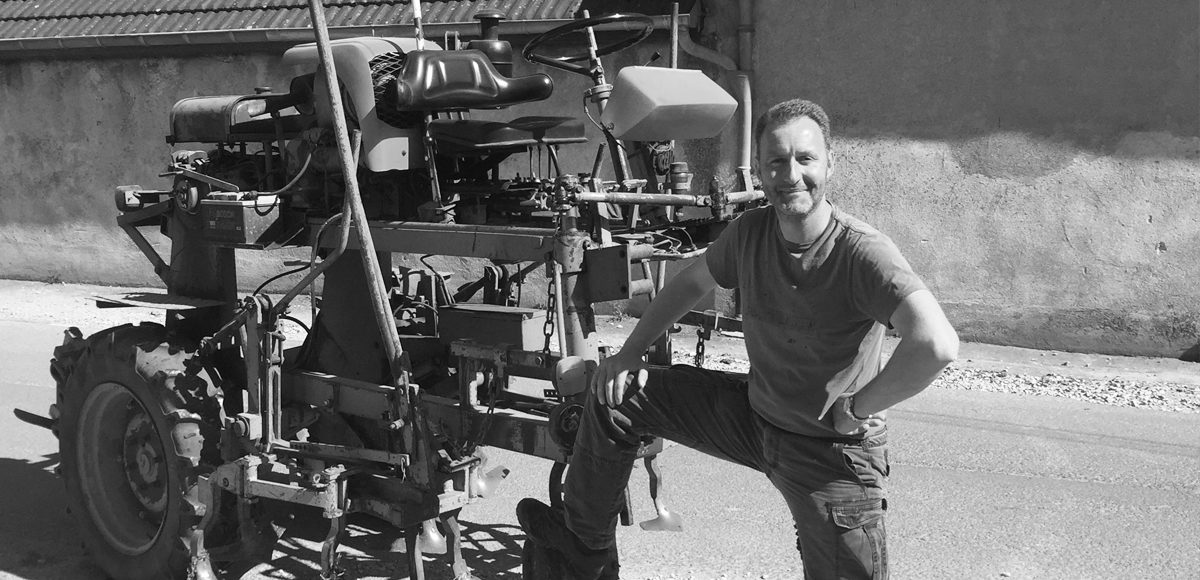
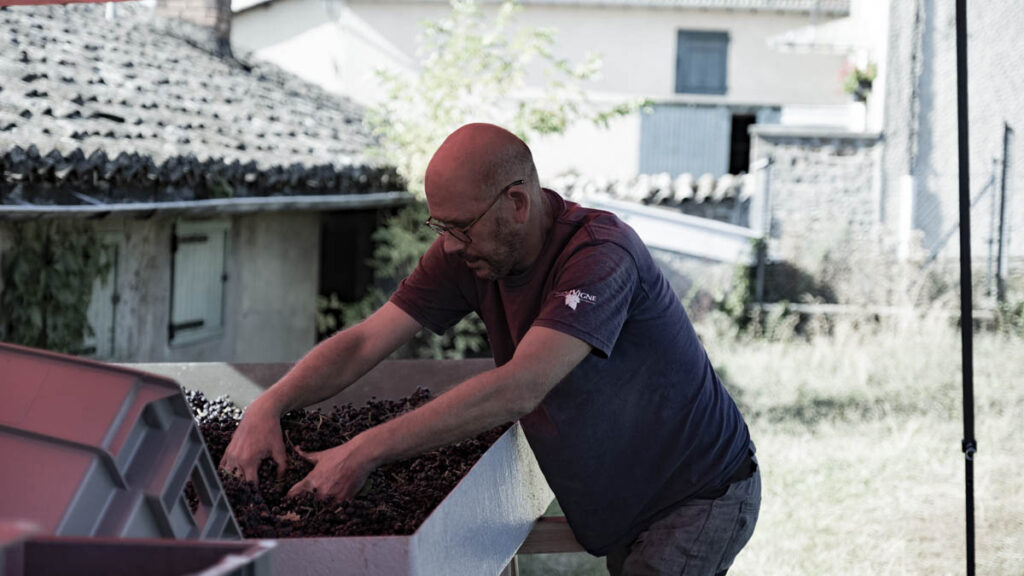
Denis Meunier
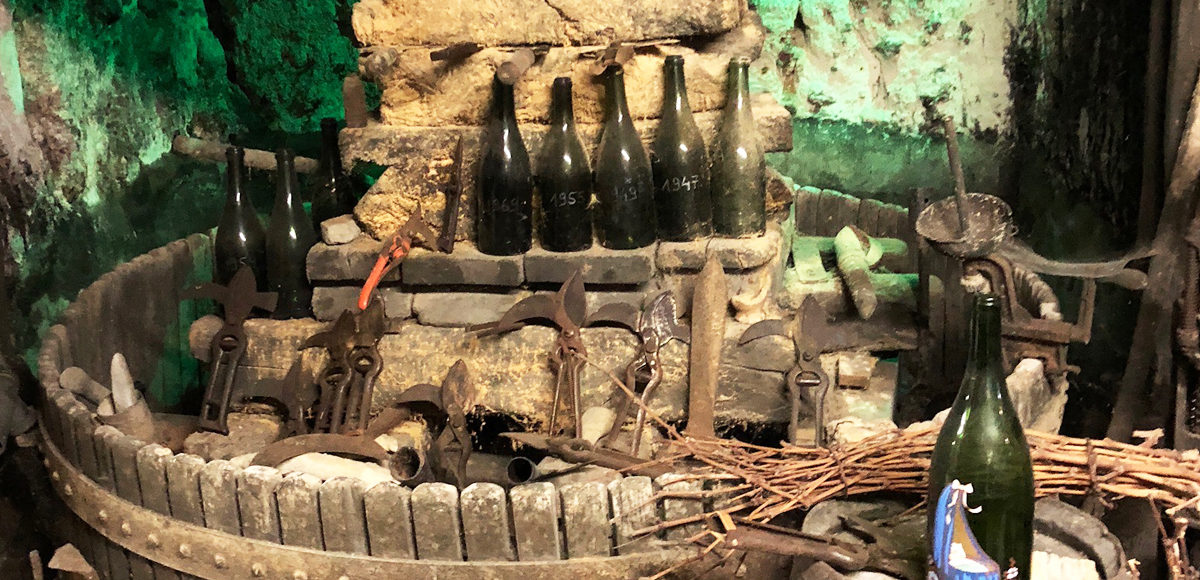
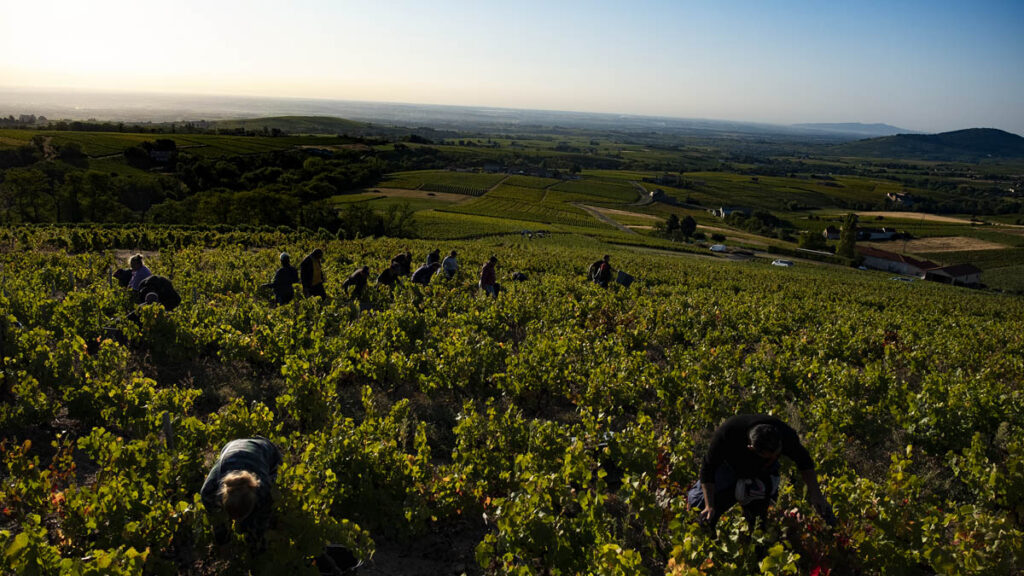
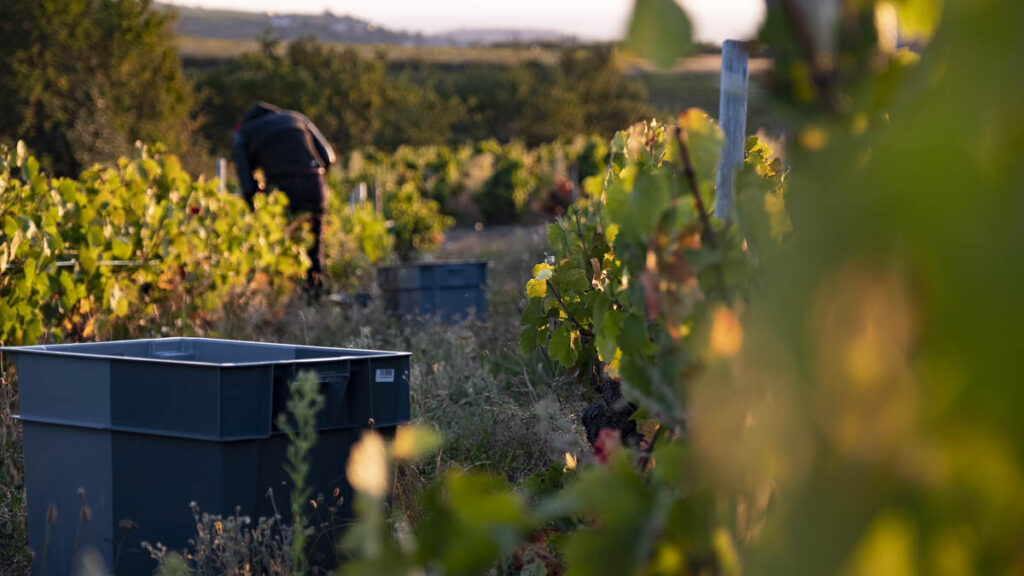
“The history of the house dates to 1927,” Denis explains, “when my grandfather acquired his first parcels of vines already planted on the way back from the First World War.” Denis’s father and uncle ran the domaine for nearly four decades, until 2012, when Denis took over, fulfilling a dream. “I have always wanted to do this job,” Denis explains. “My father let me drive my first tractor to plow the vines at the age of 15.” Now he is driven “by passion and especially by the desire to create my own wines from plot selection.” He and his partner, Estelle, manage the domaine with help in the vineyards from Denis’s father and uncle and a handful of seasonal workers. “Respect for terroir has always been valued here, even in my father’s time,” Denis says. “Today, it’s mostly the material that has evolved. My investments were mainly focused on the quality of the vines and the wine.”
Vouvray
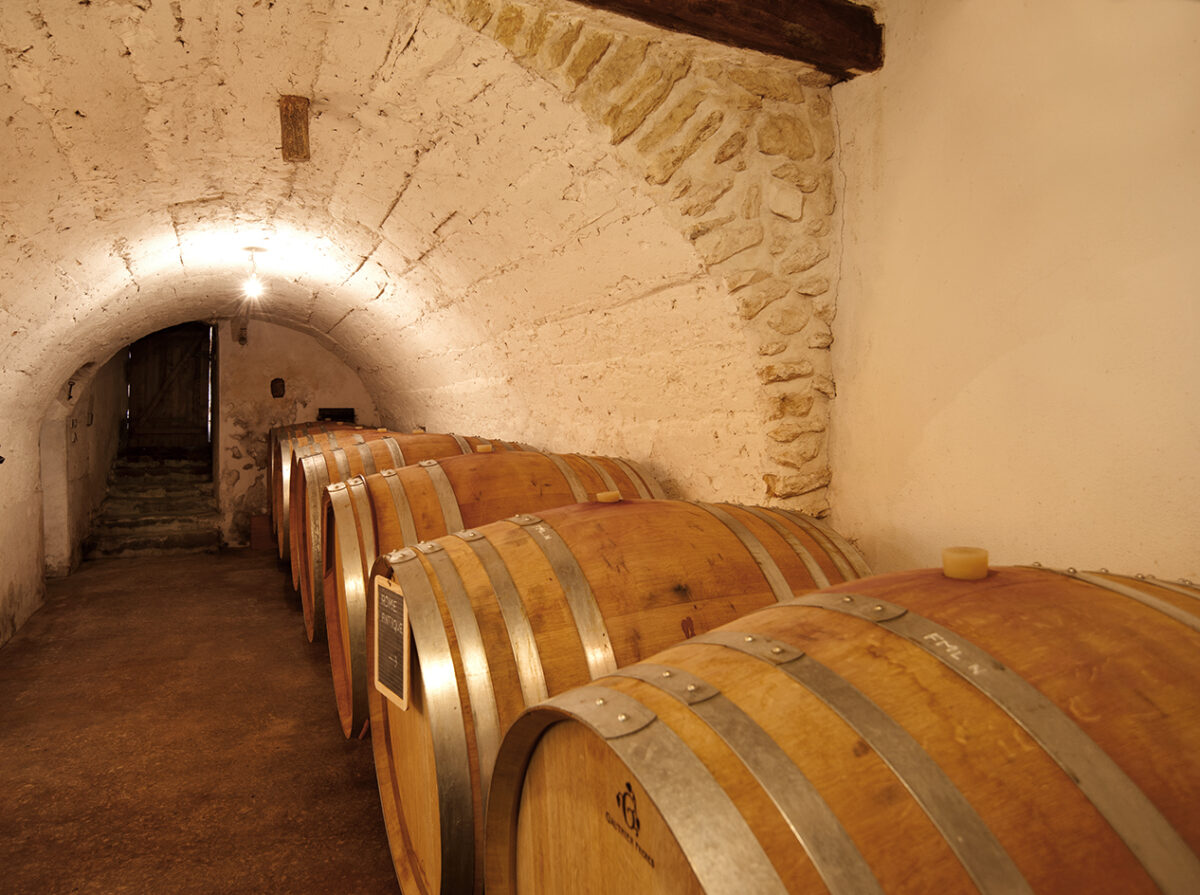
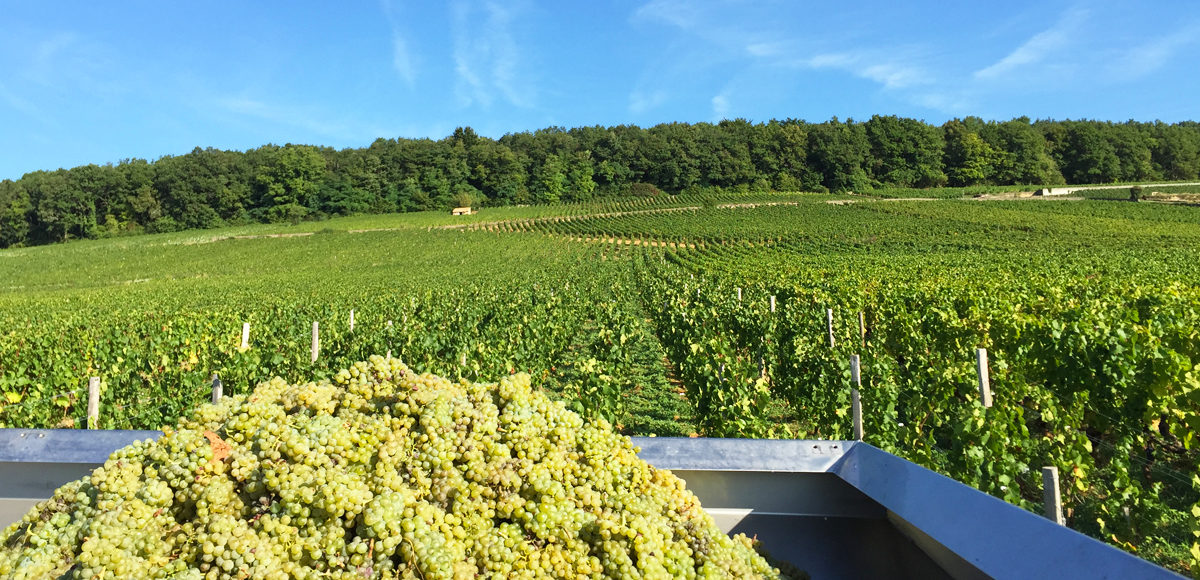
Vouvray is one of the Loire’s great terroirs for chenin blanc. As part of the Paris basin, the soils are largely fossilized marine based. The bedrock, from which the region’s myriad historic cellars are cut, is tuffeau. The topsoils are flinty clay, limestone, gravels, and marls. The climate is marked by the tension between moderate maritime and more extreme continental influences. This, and the fact that Vouvray is traditionally one of the last parts of France to harvest, opens vignerons here to great risk — first, of severe weather, foremost hail (as Denis experienced in the string of vintages between 2014 and 2016, when he and many around him suffered devastating crop losses), later, of disease. The reward is a cool climate that allows both the acid edge and haunting, subtle depth of chenin to develop to maximum potential. Multiple vineyard passes are key to producing the traditional range of styles, from sec to moelleux to sparkling. The wines can fall anywhere between austere and opulent, depending on the ripeness and botrytis levels of the vintage.
Vineyards and farming
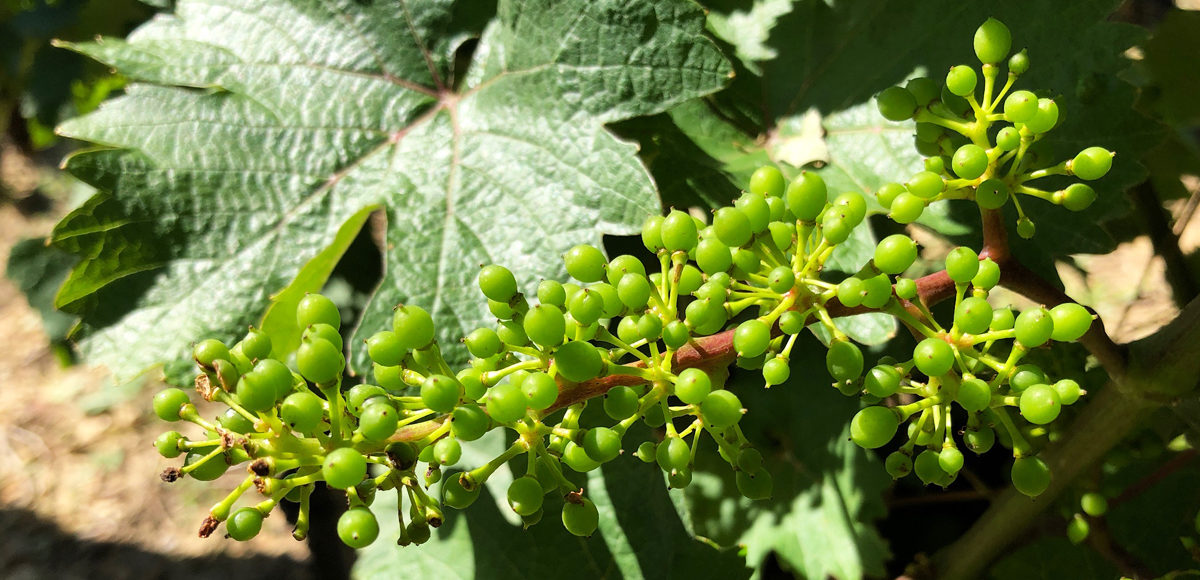
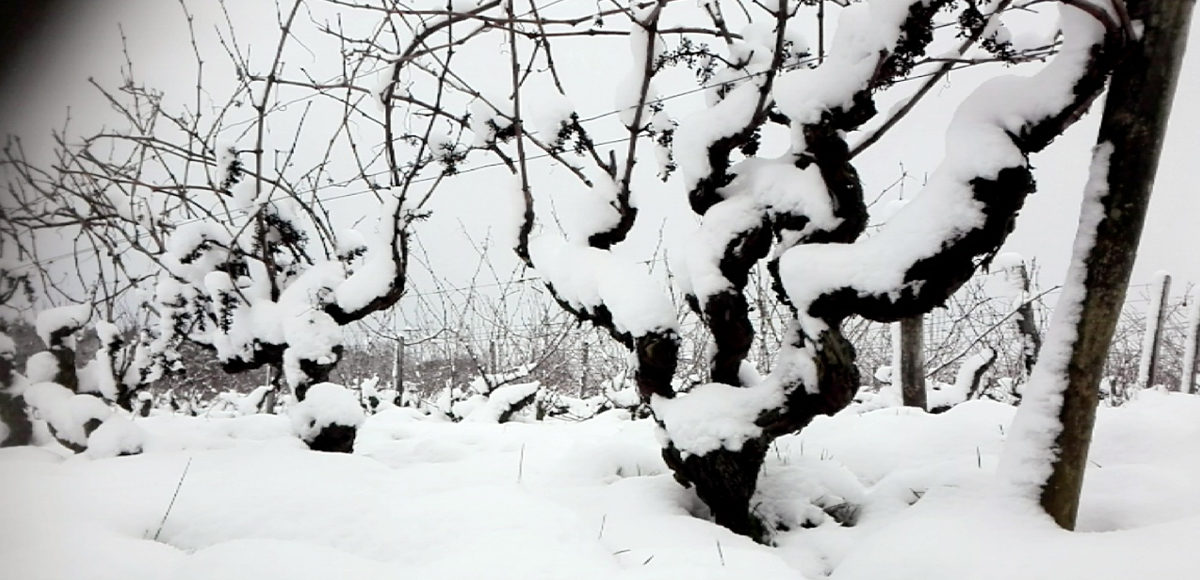
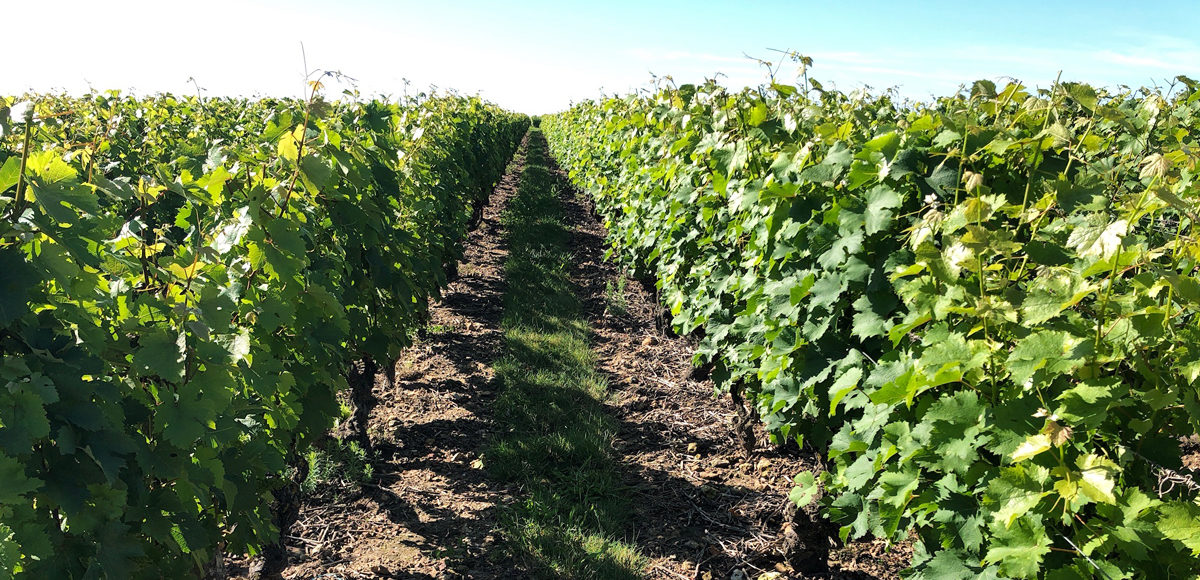
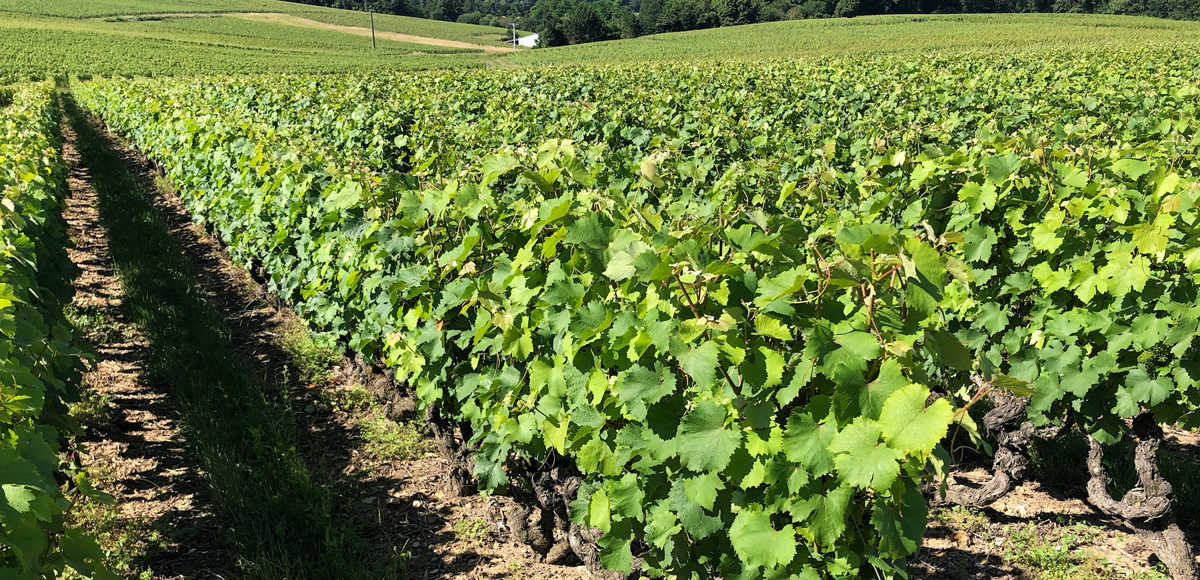
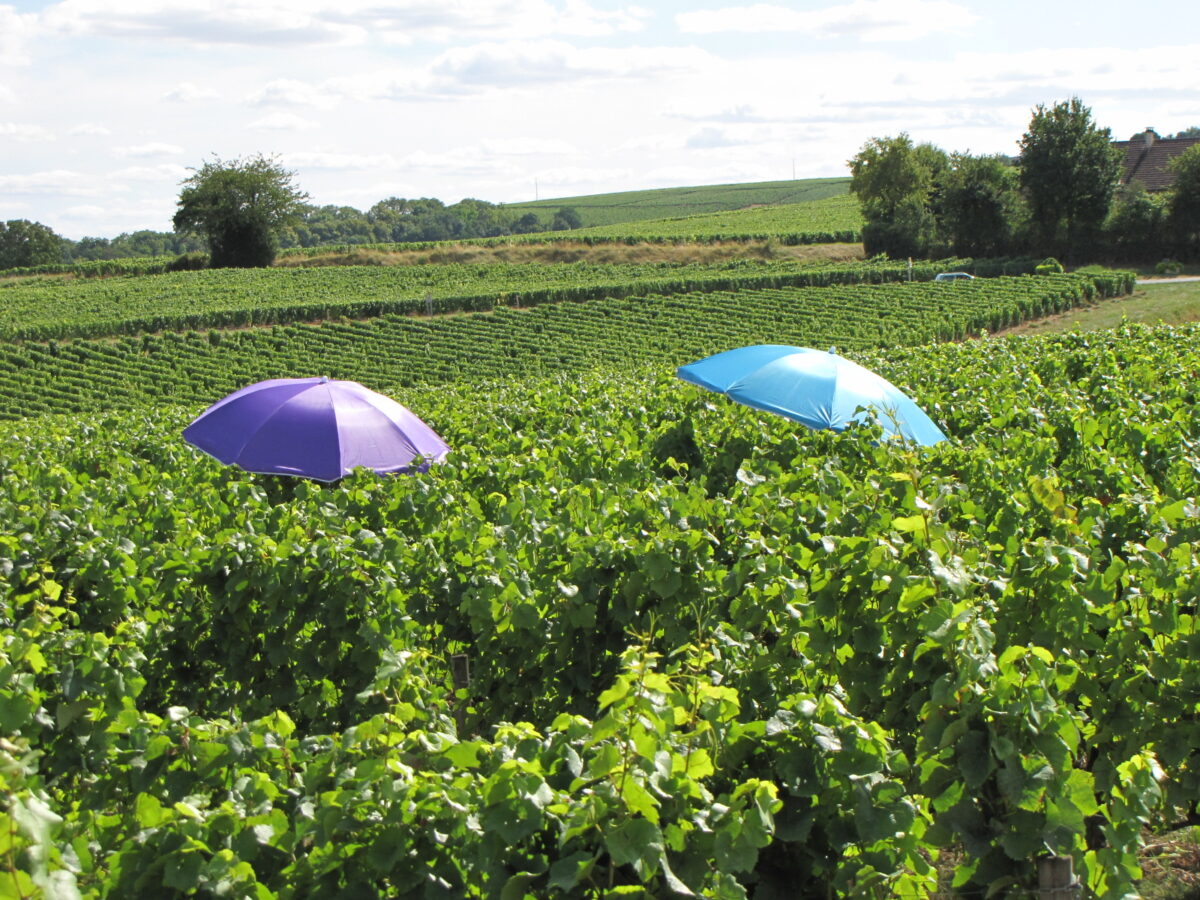
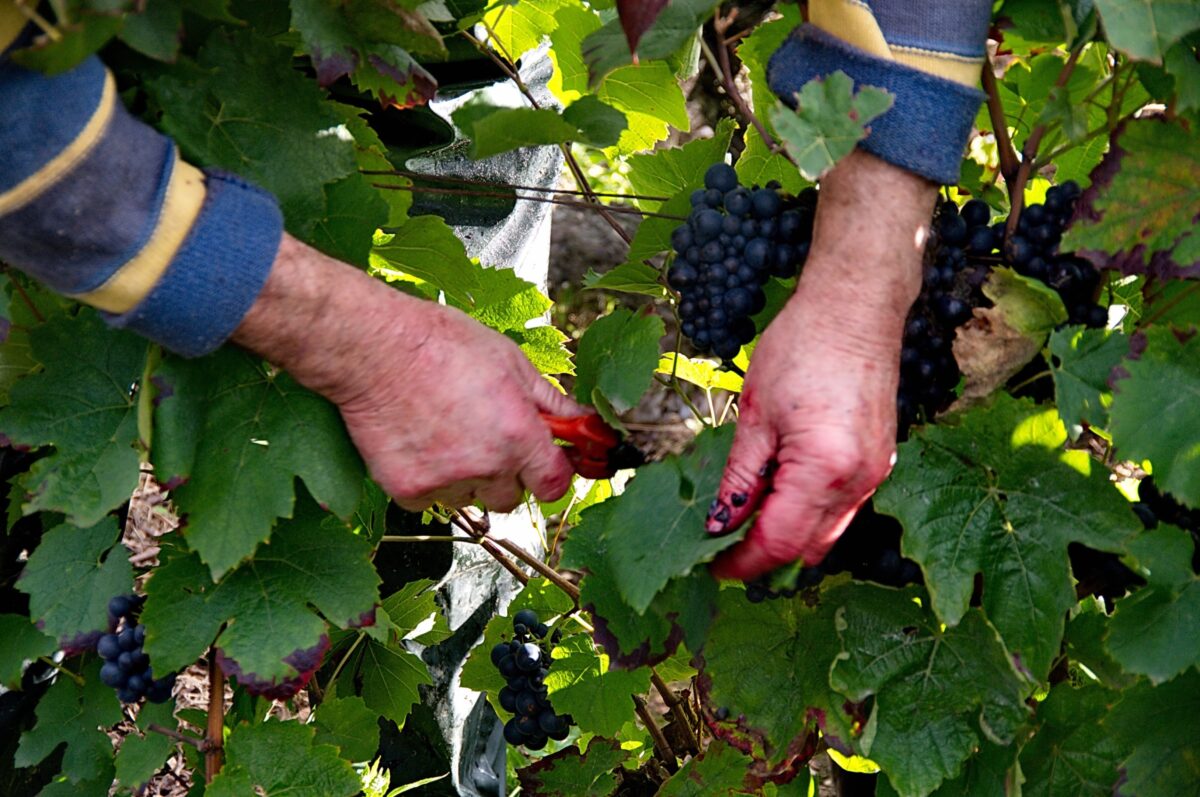
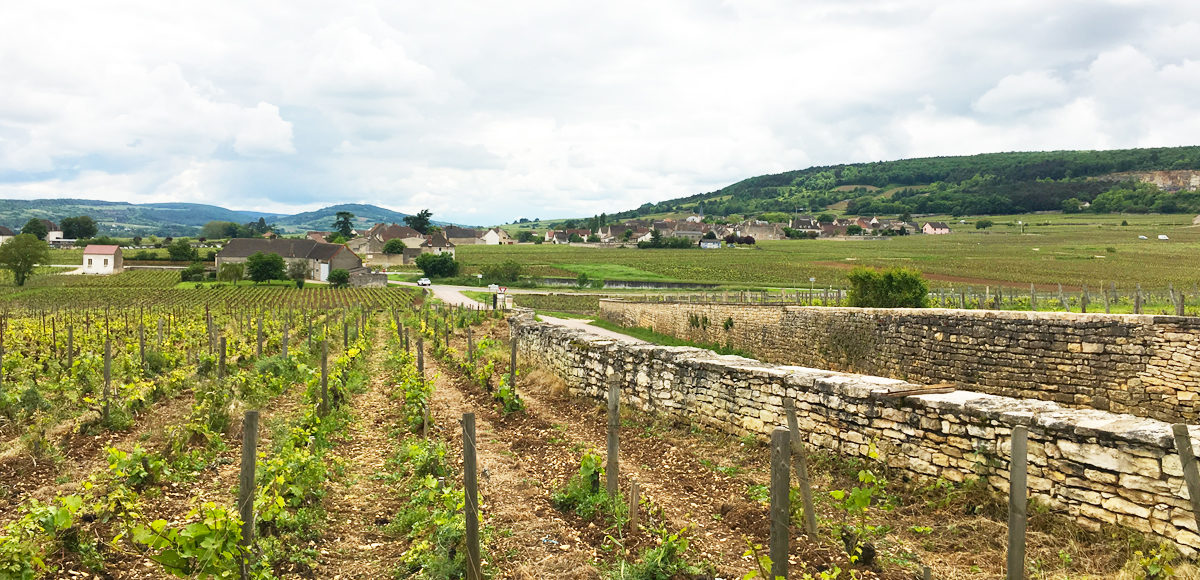
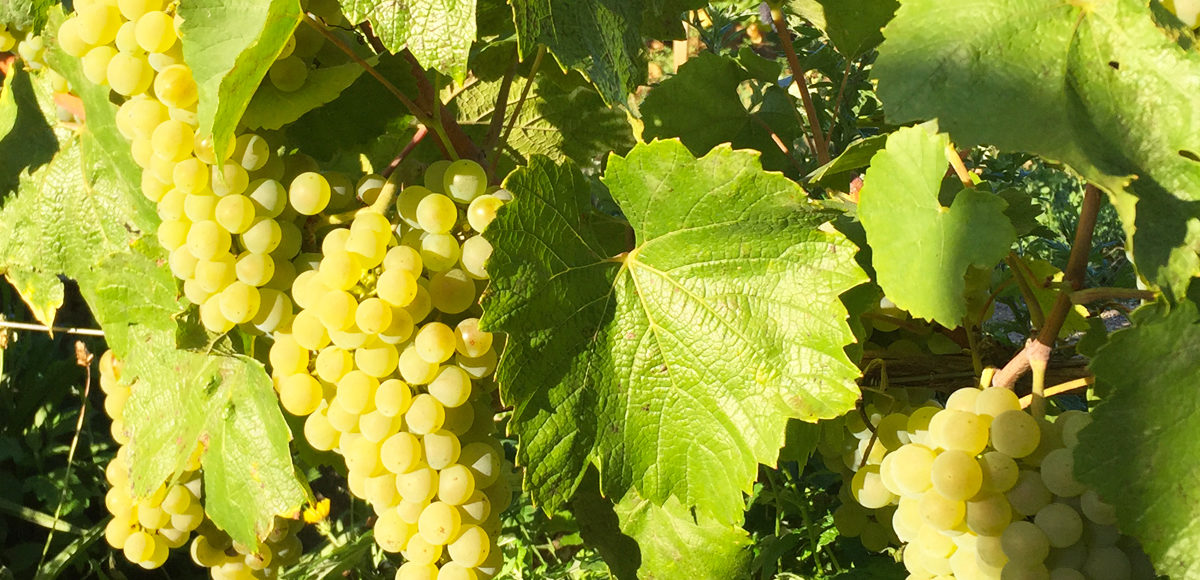
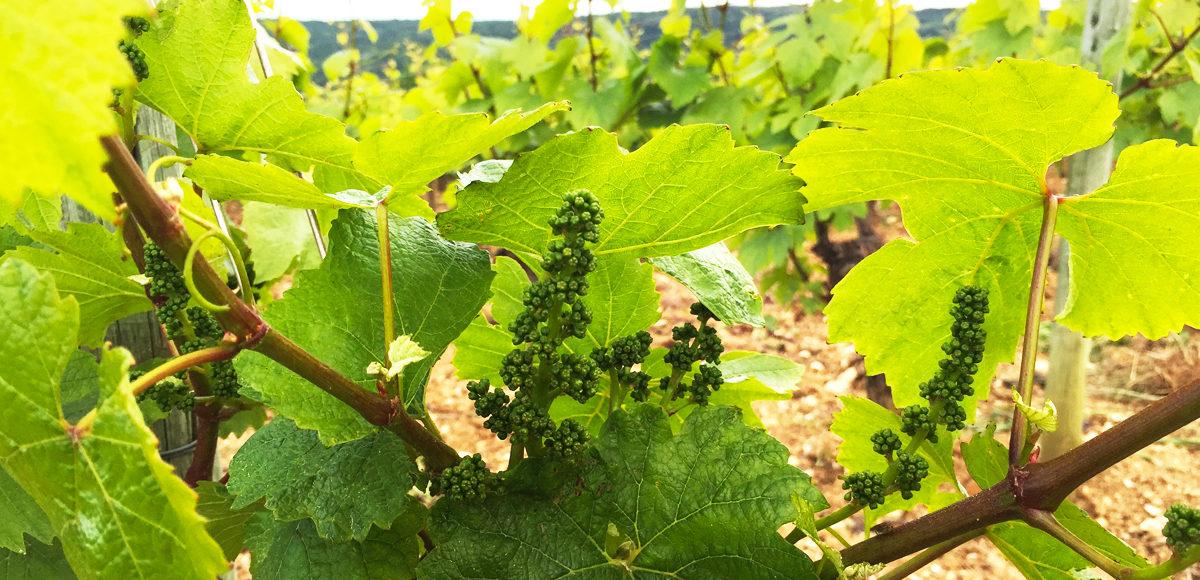
Vernou-sur-Brenne, where the Meunier vineyards are clustered just south of a small Loire tributary, is one of 8 villages in the Vouvray AOC. Most of the domaine’s 13 hectares of old-vine chenin are planted on south-facing slopes of varying steepness. On the hillsides, the soils are clay and flint, which yield dry, aromatically refined wines. In some vintages, these vineyards give the base wines for sparkling bottlings. From the gentle clay and limestone slopes come the semi-dry still and sparkling wines. Denis selects the plots he wishes to vinify depending on the character of the vintage. Since taking over, Denis has begun to move the domaine toward organics. Extensive planting of cover crops, green harvest, and leaf pulling are practiced to ensure soil health as well as loose, well-ventilated clusters, adequate sun exposure, and above all to prevent botrytris, which Denis sees as the “number one enemy” of the delicacy and brisk vitality of his wines.
In the cellar
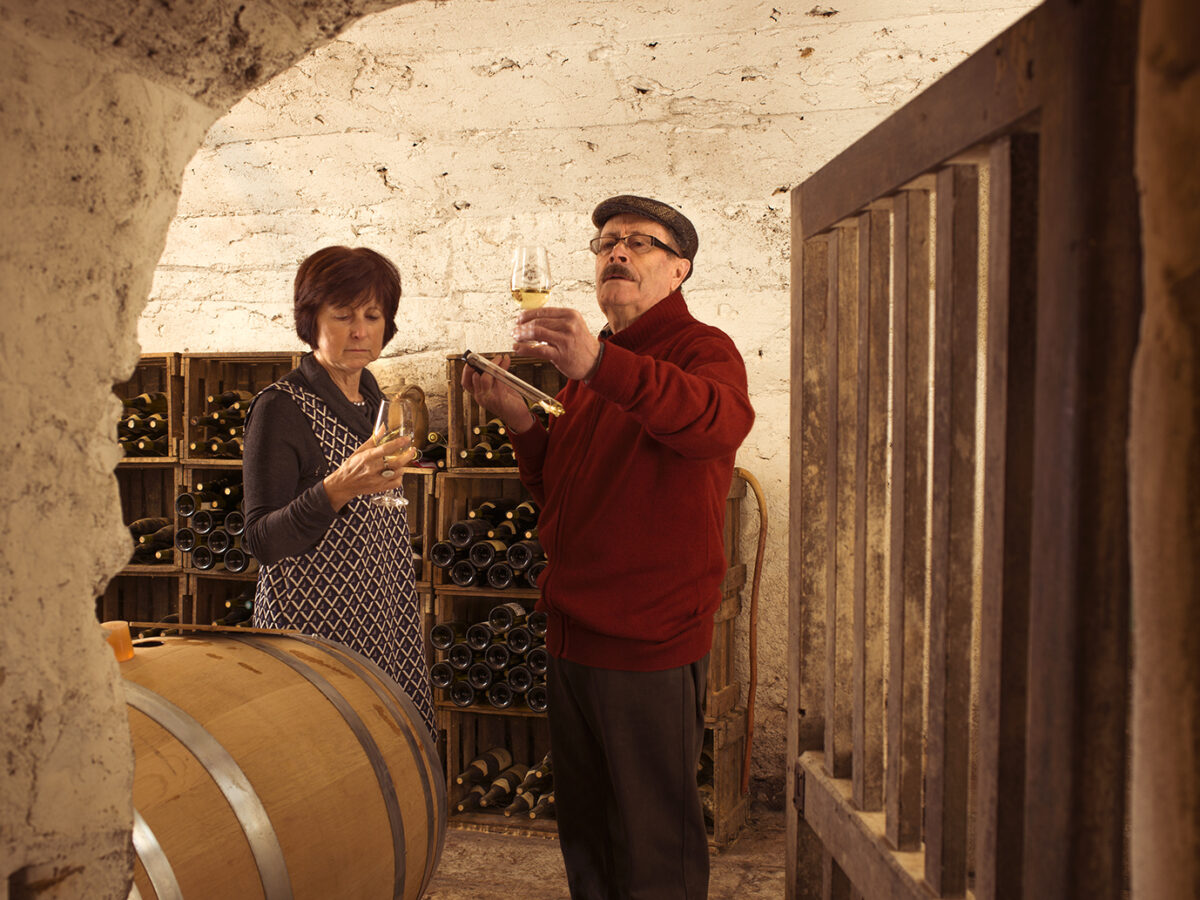
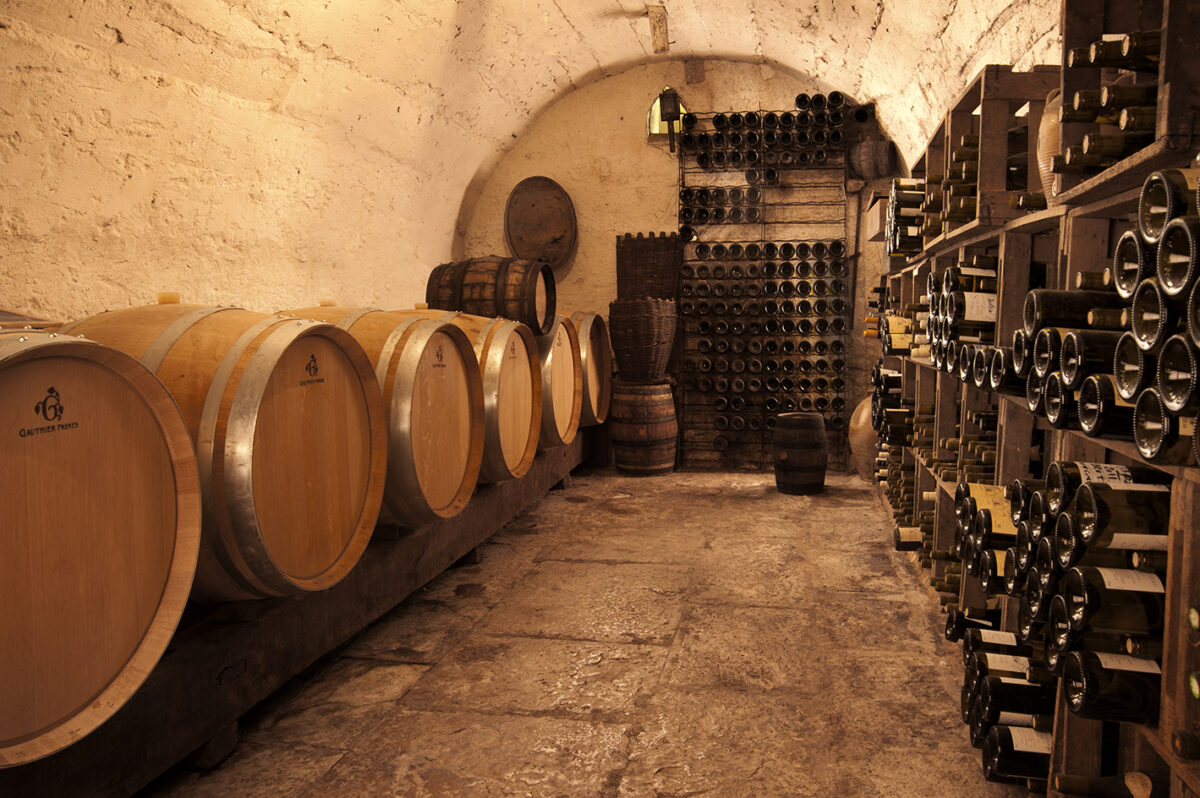
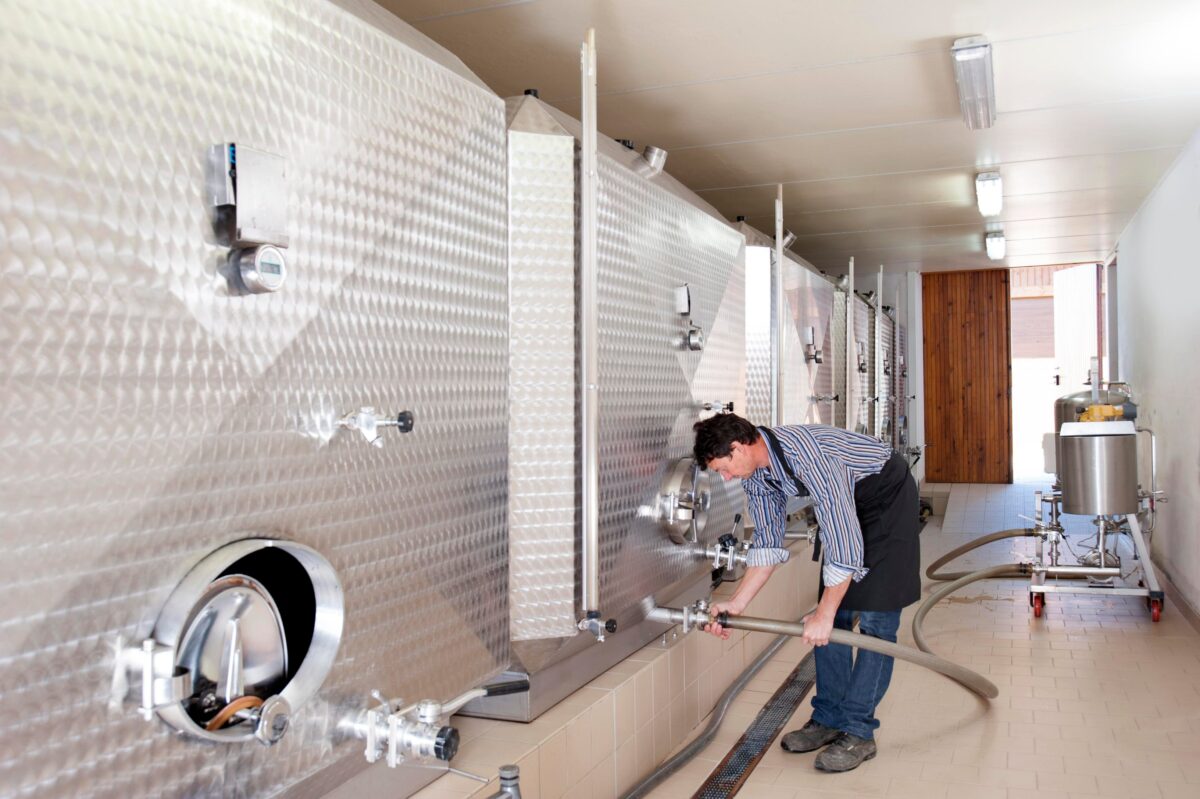
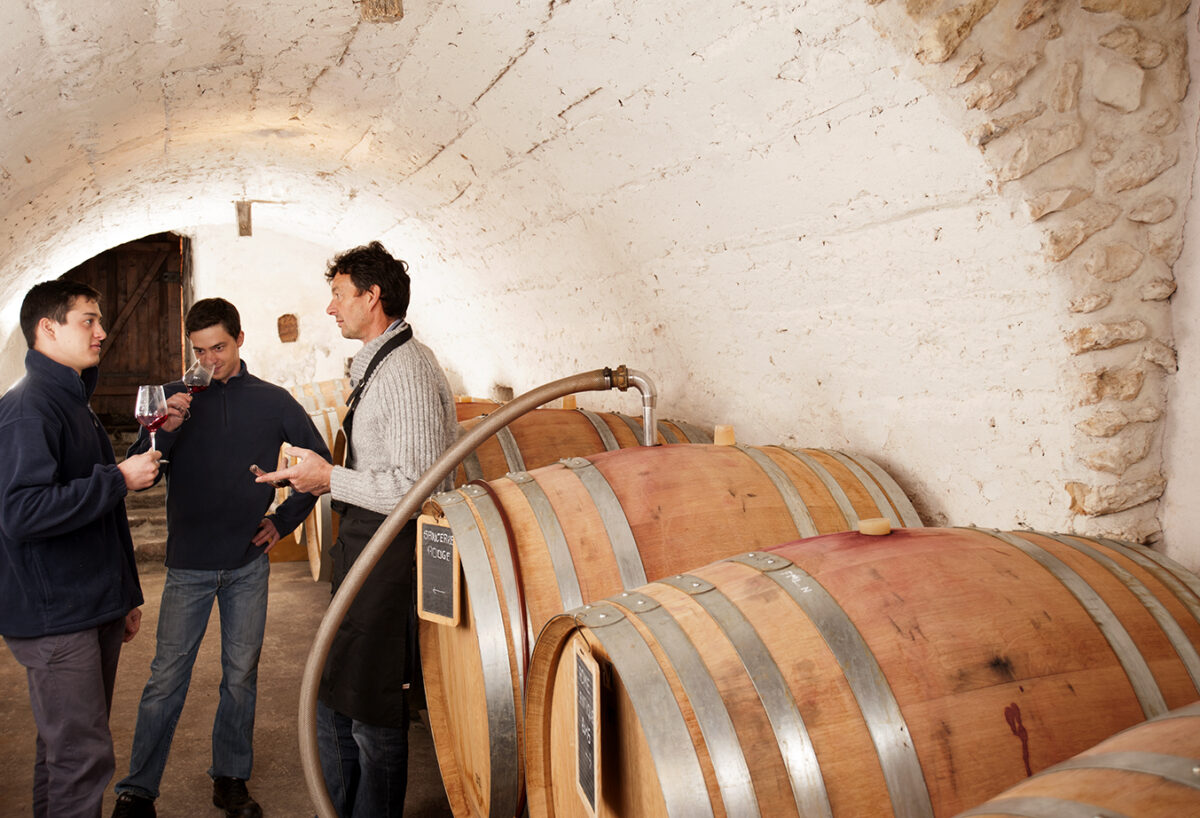
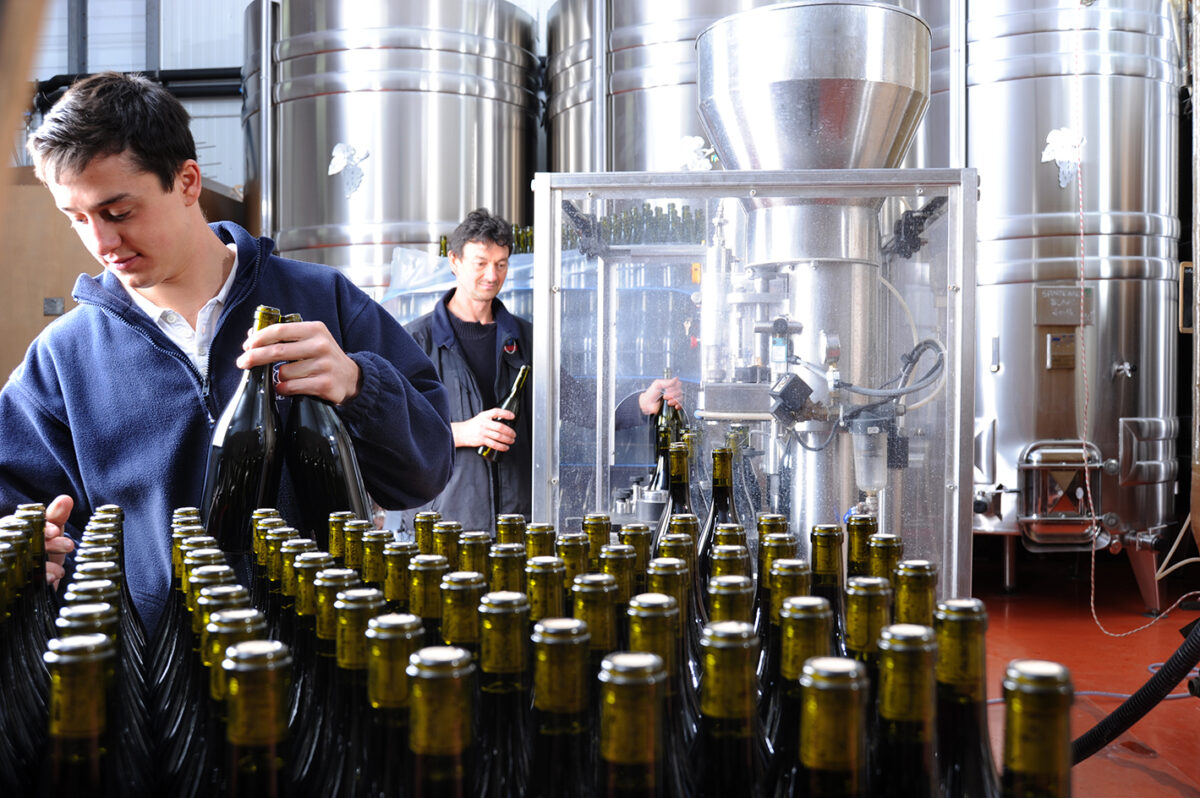
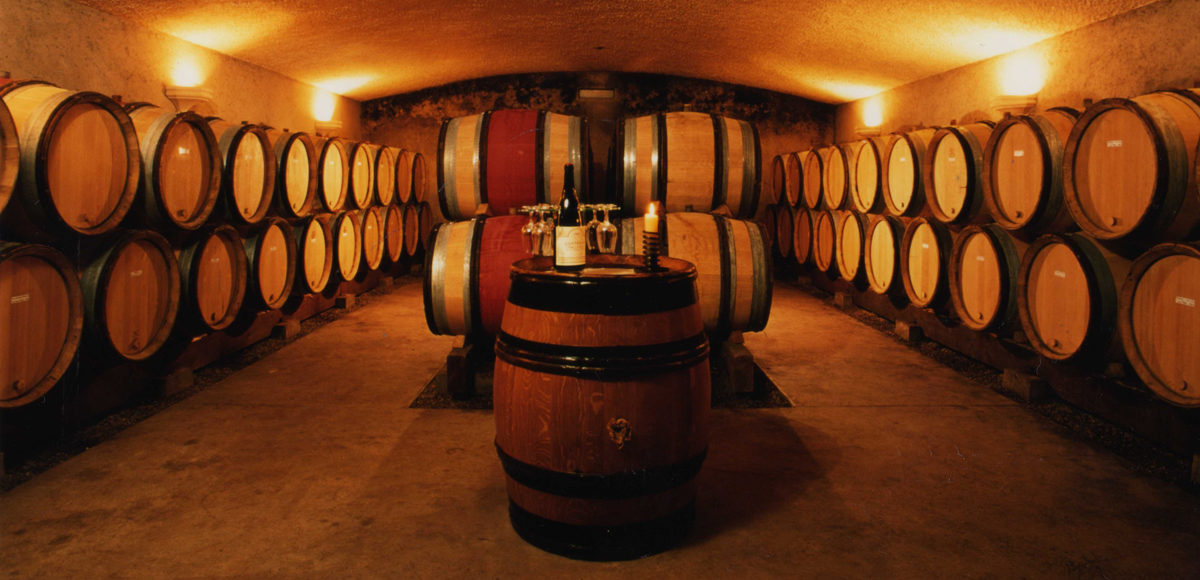
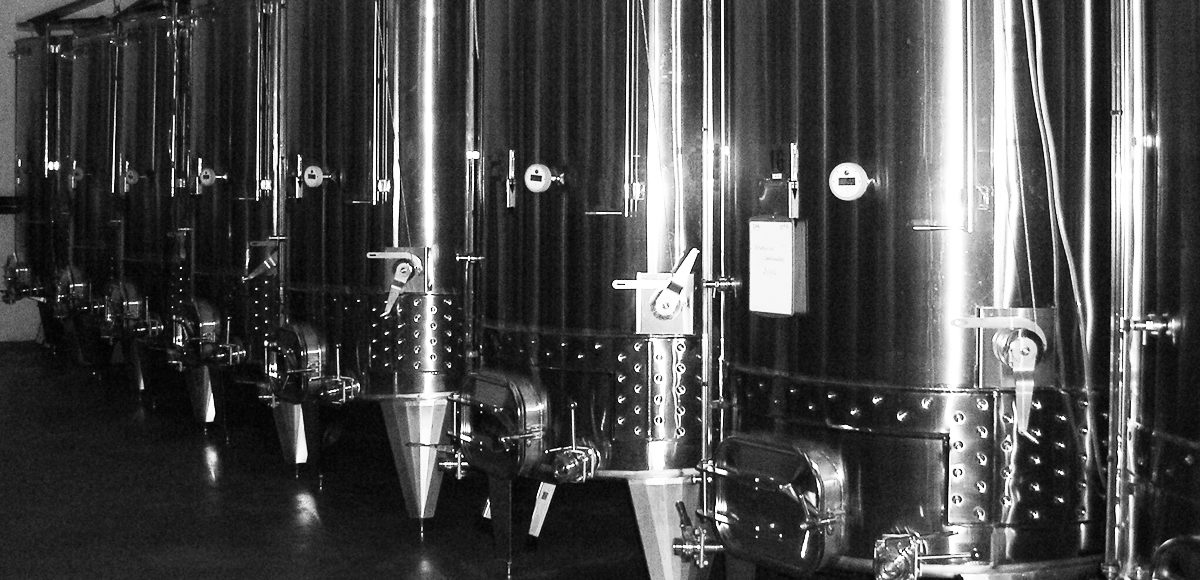
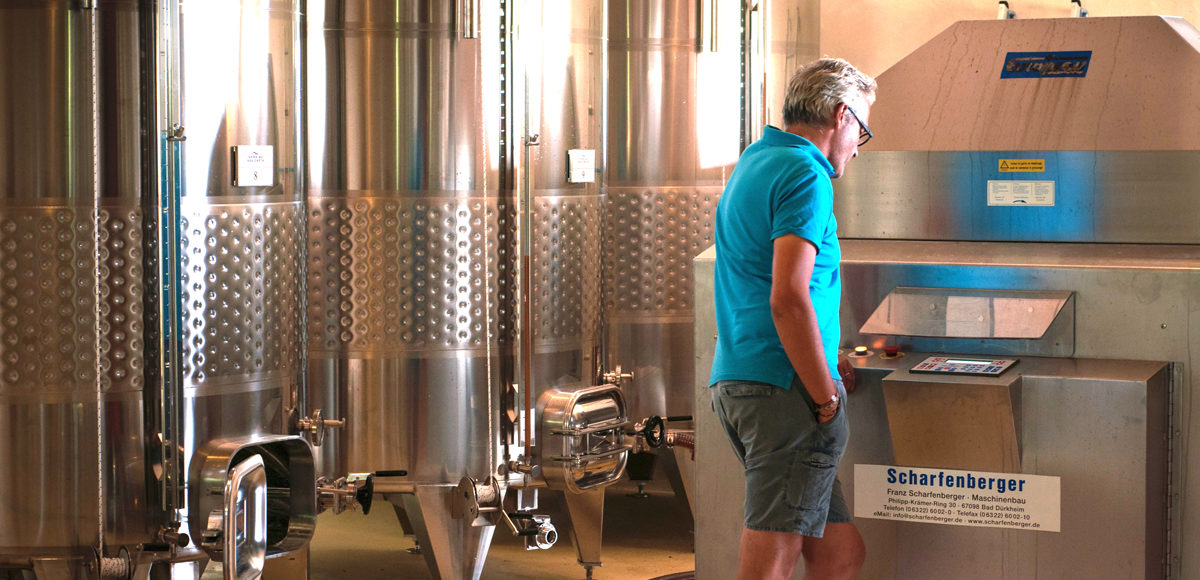
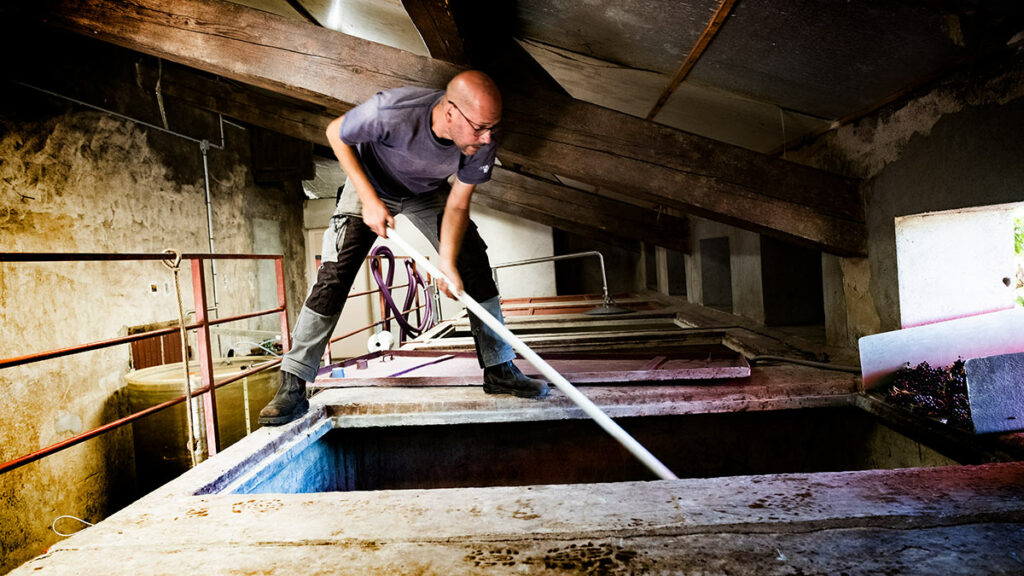
Cellar work is aimed at preserving the tradition of crisp, light, classic expressions of Vouvray. All the wines are given slow, gentle press cycles, followed by spontaneous fermentation in stainless steel tank, with cold settling. Post-fermentation, the wines are racked and allowed long periods on the fine lees, with batônage for some cuvées. The traditional-method “Insolite” spends a minimum of three years sur latte and receives no dosage. The wines typically finish in the style vignerons here call sec tendre, with a few grams of residual sugar to balance acidity and enhance the pure and irrepressible vivacity of the fruit.
“The cultivation of the vine is like a love story, giving pleasure and driven by passion.” — Hervé Baudry
Baudry Family and Sancerre History
The Baudry family’s domaine was purchased in 1920 by Hervé’s grandfather, who lived in Sancerre and was considered a master grafter. This was a crucial skill in the early 20th century, as winegrowers labored to replant their vines after the Phylloxera plague devastated most of the vineyards throughout Europe. The solution to the American-imported root louse was to replant vineyards on the rootstock of American vinestock, which had evolved a tolerance. Naturally, the propagation of the massive amounts of rootstock, planting it, and then grafting French varieties onto the trunk was a massive project that took decades.
Interestingly, before Phylloxera, the area around Sancerre was esteemed for its red wines from Pinot Noir and Gamay. Given the unheard-of opportunity to rebuild a region’s vineyards from scratch, the vintners of Sancerre chose to focus on Sauvignon Blanc, an intriguing choice given that Sauvignon hadn’t even been the area’s top white variety (that was Chasselas). The reason for this decision is unclear. Some people suggest that it was technical: the growers discovered that Sauvignon Blanc vine accepted the grafting process more readily than other varieties. However, some historians suggest that the decision was based on aesthetics, commerce, and terroir. Before phylloxera, they contest, Sauvignon Blanc was the most sought-after of Sancerre’s wines and fetched the highest prices.
Jean Baudry took over after his father, the grafter, and truly grew and developed the estate, increasing vineyard holdings and opening channels of sales and distribution. Jean’s son Hervé continued the progress, modernizing the estate, creating different cuvées, and helping to organize and empower the appellation by serving on the grape growers’ association of Sancerre. Today, Hervé is joined by his sons Bastien and Quentin, who both trained in Burgundy.
Sancerre Soils and Climate
Whatever the actual reasons were for replanting the appellation to Sauvignon Blanc, it was an inspired choice, as Sancerre has never looked back. Its soils and climate are considered a perfect match with the Sauvignon Blanc variety. To this day they produce one of the world’s most iconic wines, one lauded for both its capacity for serious terroir expression and its ubiquitous popularity.
Located in central France, a couple hours by car south of Paris, the Sancerre appellation occupies the eastern end of the long, lateral Loire Valley, comprising some 14 communities based around the eponymous town.
Famously the region boasts three main soil types, each one yielding sauvignon blanc of a somewhat different character. The most common soil is Oxfordian limestone, which comes mixed with clay in either sharp white shards or in a gravel admixture known as caillottes. This soil, which accounts for over 50% of the region, tends to produce the light, bright, aromatic, minerally Sancerre the region is best known for.
Another soil type is silex—the local term for flint or chert—which can be found in the eastern extremity of the appellation and across the Loire, where it’s a major component of Pouilly-Fumé. While accounting for just 20% of Sancerre’s soil, Silex makes a distinctively powerful, rich, profound wine.
Finally, there’s Kimmeridgian marl, a hard limestone-clay formation and the same stuff as found in Chablis and Champagne. It’s found more in the western districts of Sancerre and produces powerful, mineral wines with a heavy soil signature that makes them sometimes more similar to Chablis than to wines grown on caillottes or silex.
Famille Baudry’s vineyards are spread out on the rolling hillsides among the villages of Sainte-Gemme-en-Sancerrois, Sury-en-Vaux, and Verdigny. They lie on classic Oxfordian limestone in both its major forms: the chalky white, stony soils and the more gravelly caillottes. The vast majority of the vineyard is planted to Sauvignon Blanc, but a couple of hectares are given to Pinot Noir and gamay. The climate here is a somewhat stiffened Atlantic one, meaning that while it doesn’t suffer the hot-and-cold extremes of a true interior continental climate, it is far enough inland from the Atlantic, that it’s also not completely oceanic. Therefore it’s not as subject to the rainfall, wind, and sometimes balmy weather of the coast, which diminishes as it travels up the Loire toward France’s interior.
Viticulture and Winemaking
As mentioned above, the Famille Baudry has farmed organically since 2010, though their official certification arrived only in 2023. Throughout the family’s holdings, the vines average 50 years of age, though their oldest site, called “Le Croc de la terre” is almost a century old.
Their vineyard philosophy is simple and direct—harvesting clean, ripe grapes is the most important factor in a successful vintage, so great work is done to ensure that, which makes the rest of production simple and seamless. Proper ripeness is paramount, so the family is not opposed to risking letting the fruit hang out to achieve full maturity during dicey vintages.
Harvest is done quickly by machine—not uncommon in the area—except for the old, delicate vines of Croc de la Terre. Grapes from each of the three villages are fermented separately, half inoculated with an aromatically neutral yeast strain and fermented naturally with ambient yeast. After a long, cool fermentation, the villages are blended to create the various cuvées. The winery prefers cold clarification and settling to clarify their wines, and filtration is largely avoided. Only minimal amounts of sulfur are used.
The Croc de la Terre vines are hand-picked. The red grapes see a five-day cold pre-maceration to carefully extract color and aromatic compounds before undergoing a whole-bunch, semi-carbonic maceration for 15 days before pressing. Malolactic occurs in an old 500-liter cask and is bottled without filtration.
“I want the wines to express by themselves what the vineyards have to say.” — François Lequin
Beyond anything else, the wines of this historic domaine bear the imprint of the vineyard, with a distinct emphasis on purity and transparency. From enviable 1er and grand cru holdings in Santenay and Chassagne-Montrachet, vigneron François Lequin lets each site speak in the clearest possible voice, preferring to take “a small hand” in the cellar. The farming is certified organic and François is constantly exploring new ways to allow soil and vine to express themselves including the use of biodynamic practices. There is a bright freshness to the wines’ profiles, from the unfined, unfiltered Retour aux Racines that is a complete departure from basic Bourgogne Blanc to the regal, but never overbearing Bâtard-Montrachet. The pinot noirs are charming and fruit-driven, marked by drinkability and finesse. Altogether, the Lequin-Colin range represents an all-too-rare opportunity to tap into a source of tremendous quality and value in Burgundy.
History
François’ family have been vignerons in Santenay since 1679. The story from there is an intricate tapestry of Leqins and Colins weaving back and forth over generations and across communes. The upshot is the 11-hectare inheritance François now holds in his hands: a carefully constructed collection of parcels divided between Santenay and Chassagne-Montrachet, with additional holdings in Pommard and Nuits-St.-Georges. Since 2014, François has also been involved in Domaine des Crets, where he and a partner bring a Côte d’Or sensibility to 4 hectares of vines in the northern Mâconnais.
Region
Santenay marks the southern tip of the Cote d’Or. It shares a border with Chassagne. Geologically, it resembles the Cote de Nuits. This makes it a fascinating point of intersection of terroir, tradition, and evolution. Over the past century, Santenay has gone from being a stronghold for pinot noir to a carveout for chardonnay. “It used to be 99% red until the ‘80s,” notes François. “Now I would say it’s 15-20% white, especially in the parcels close to the village itself.” It is best known for its clay-rich limestone soils, with structure and freshness being the hallmarks of the wines. In recent decades, Santenay, lacking a marquee producer, has become somewhat overlooked, making the discovery of the Lequin-Colin wines all the more exciting. The Lequin-Colins are fortunate to have lieux dits, 1er and grand cru holdings in Chassagne, including Morgeot, Vergers, and Caillerets among the former, and precisely 14 rows of vines in the majestic Bâtard-Montrachet in the latter. Further, they have a literal outlier in their holdings on the hill of Corton, Corton-Charlemagne Grand Cru, from which the domaine’s grandest wine comes.
Winemaker
François was educated in Avize, Champagne, and then worked under David Ramey at Chalk Hill in California. It was during his studies that François decided he wanted to take the significant step of converting the domaine to organic farming. In 1996, he returned home to begin working alongside his father, eventually taking the helm himself. Year by year, he has gained a keener understanding of the character of each of the family’s parcels. It is this highly individualized character he takes such pains in the vineyards to capture and in the cellar to transmit. His philosophy is “back to the roots: working as my father and grandfather were doing.” He especially values the diversity of his holdings: “Making good wine is not enough. Having them be affordable, too, is very important to me.” Palate, precision, and purity are his guiding principles.
Vineyards and farming
All of the vineyards have been organically farmed since 2009 and Ecocert® certified since 2012. Biodynamic ideas were introduced in 2010 and François continues his exploration of producing terroir-driven wines in an environmentally sustainable way. Chardonnay vines are pruned “Guyot Simple,” and pinot noir pruned “Cordon de Royat.” The grapes for all crus are harvested by hand and pick time is determined by acidity level, not sugar. François believes that Burgundy’s bête noire — premox — which has affected so many producers, was due to several factors, including a lack of rigorous sorting. To combat this, he employs a substantial crew during the season, reaching over 40 employees at harvest. Of this compliment, nearly 30 are in the vineyards sorting and picking the grapes, three are on the winery team, and the rest are on the sorting table and managing the press.
In the cellar
“The day after picking, the juice is in barrel,” François likes to say. For the chardonnay, he uses a pneumatic press, but presses very slowly, between three and a half and four hours per press. He then lets the juice “go-to-brown” to oxidize all the unstable, oxidative components, then lets it settle for a full year before racking. On average, the goal is to have only 10% new oak for the alcoholic and malolactic fermentation for the chardonnay; François favors Chassin and Rousseau French oak. Prior to malolactic, light bâttonage is done and after malolactic, the chardonnay is left on the full lees until just before harvest; the wines are bottled in December. François’ goal is to use as little SO2 as possible while assuring the wine is clean and stable. “Less and less” is the goal. He attains this through protective, reductive practices and by now his total SO2 levels are lower than the Demeter maximum range for biodynamic winemaking. You will not find a botryitisized, overly-rich chardonnay in the Lequin-Colin range; nor will you find an overtly reductive style. What you will find is a transparent and evocative expression of chardonnay from the strikingly different climats in the Lequin-Colin stable.
For pinot noir, the process is a bit different. The harvest is handled the same way, in terms of picking being determined by acidity rather than sugar level. When the grapes come in, a determination is made as to how much whole cluster will be included. This is entirely vintage dependent. François is a believer in the beneficial uses of stems for extracting color, giving structure, as an antioxidant. However, he is also cautious about unripe stems adding herbaceous characteristics to the wine.
After the sorting table and the grapes are crushed in vats, François adds a little SO2 to the pinot noir mash to help extract color; the fermentation lasts between two and a half and three weeks, after which the grapes are pressed and racked into French oak barrels from Chassin and Hermitage. Again, only about 10% new oak is used for the red wines and SO2 is added based upon the pH post-malo. The pinot noir is left on the fine lees until spring, when it is racked for the first time. It is racked again in August and once more in the autumn before bottling in February/March.
François’ take on premox from a cellar perspective is that “we forgot to give the wines time.” The arrival of the pneumatic press made it possible to press very gently, but also very quickly. “You have to know how to use it,” he notes, “slower pressing keeps the protective natural yeasts from the vineyard.” François also believes there was too much new oak introduced into the cellars in the 1990s and that the wines were bottled too quickly — “an old winemaker’s saying holds that you only bottle a wine after two winters”— and that corks, which were bleached against TCA but became overly permeable as a result, were also an issue. Needless to say, he has used this experience and awareness to take all appropriate measures to protect his wines for aging with elegance, freshness and grace.
“My philosophy is to make wine as naturally as possible. Simple, isn’t it?” — François Lequin
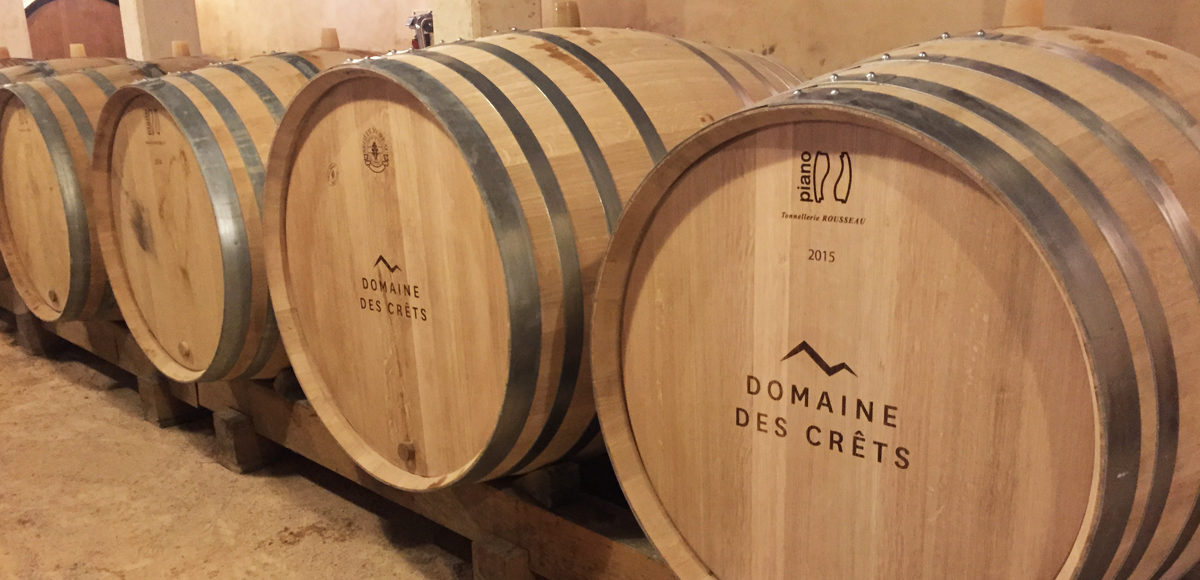
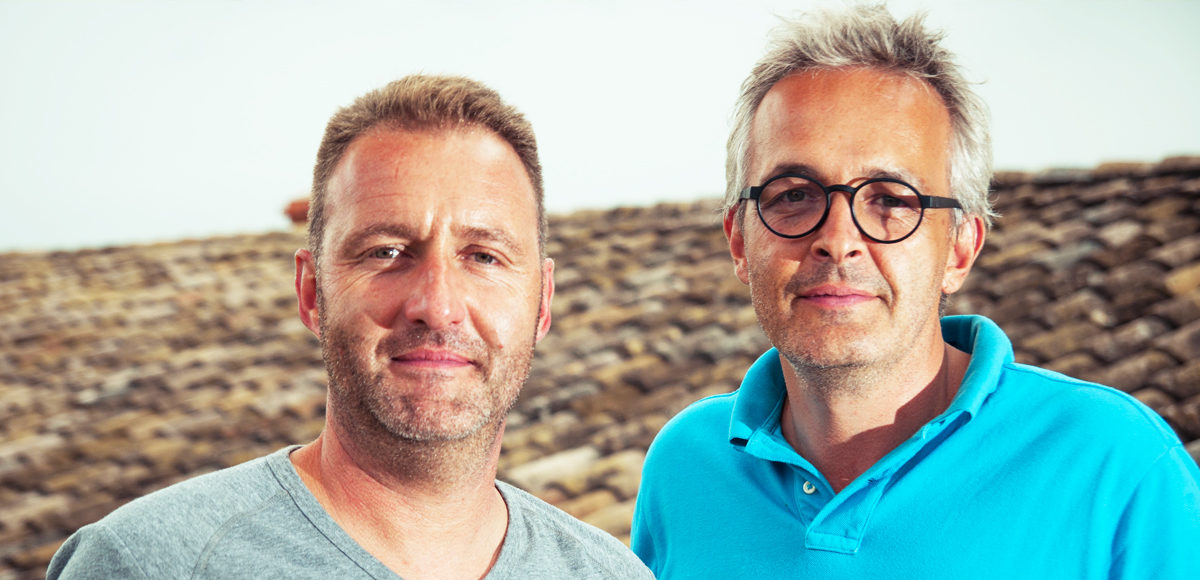
Domaine des Crêts is a partnership between François Lequin and Matthieu Ponson — two friends allied by a shared philosophy and an admiration for the wines of the Côte de Beaune. François was born into a family of vignerons in Santenay and has been the winemaker at Domaine Lequin-Colin since 1996. Matthieu was raised in Cornas, with a background in engineering, but went on to become a winemaker in the Vaucluse. When the two were introduced several years ago, they quickly realized they held the same passion for Burgundy and the same goal of purchasing vineyards in the northern Mâconnais and cultivating wines of Côte d’Or standards there. So, together, they took over the former Domaine Pascal & Sylvie Pauget and in 2014 made their first vintage as Domaine des Crêts. Today the domaine encompasses 4 hectares, with farming in conversion to organics. The emphasis on restricted yields, clay-limestone soils, native yeast fermentations, and deliberate must oxidation to ward off the bête noir of Burgundy — premox — show François and Matthieu’s vision is already translating into compelling reality. The animating idea is to grow and make a small range of great Mâcon chardonnay that balances minerality and richness. The results are elegant but approachable wines with no shortage of tension, vivacity, or length.
Region
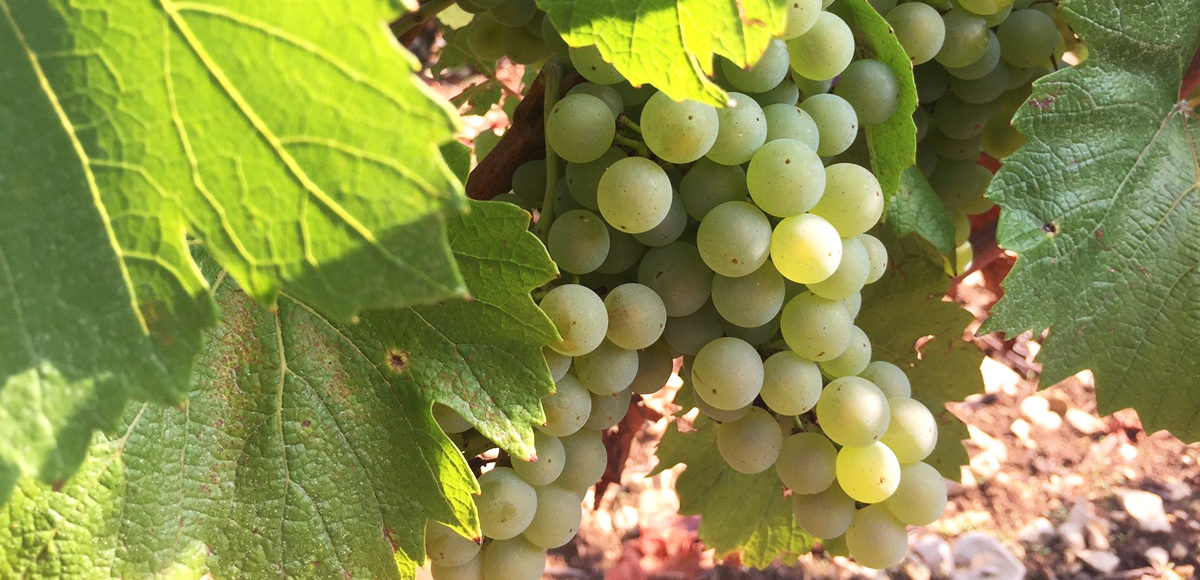
The Mâconnais, tucked between the Côte Chalonnaise and Beaujolais, is a place of rolling hills and punctuating cliffs, still given over to mixed agriculture in a way that sets it apart from much of the rest of Burgundy. The region is divided into valleys, the Grosne to the west and the Saône to the east. The des Crêts vineyards are at 250-300 meters (820-980 feet) above sea level, within the “Mâcon-Chardonnay” commune, corresponding to the area between the villages of Lugny and Ozenay in the far north of the Mâconnais. Although the region enjoys a warmer, more generous climate than the Côte d’Or, it shares a similar soil profile, dominated by argilo-calcaire soils. The grape here is, of course, chardonnay — the commune is thought to be both the cradle and the namesake of the variety. “The vineyards became known thanks to [nearby] Cluny, as well as Citeaux, abbeys. The monks allowed for the advance of viticulture but also the visibility of the wines of Burgundy,” François notes.
The Winemakers
François and Matthieu had both wanted to be winemakers “since always,” says François. François was educated in Avize, Champagne, and then worked under David Ramey at Chalk Hill in California. In 1996, he returned home and started working at the family domaine, René Lequin-Colin, where the Lequins have been vignerons since 1673. Matthieu grew up in Cornas and graduated as a telecom engineer, but as soon as he had the opportunity to choose his profession in relation to his passion, he opted for winemaking. He’s a self-taught enthusiast who counts himself lucky to have François as mentor and partner.
Vineyards and farming
The estate is comprised of two parcels, l’Échenault de Serre at 2.3 ha and En bout at 1.6 ha. François notes “L’Échenault is lower on the hill, a bit riper, contains younger vines, and reveals more richness, ripeness, and texture. En bout is higher up, at 300 m.a.s.l., with more exposure to wind, less ripe fruit, and comprised of older vines; it tends to show more structure and mineral components – more elegance and complexity.” The soils are clay-limestone. Vine age averages 25 years for En bout, and between 5 and 25 years for l’Échenault. “In 2016, we planted over pinot noir to chardonnay, with a majority of massal selection and a few clones,” François relates. He and Matthieu undertook the conversion to organic farming in 2016. “Respect the environment and the natural cycle of the vine, limit interventions, and highlight the typicality of the soil” is how François defines their approach.
In the cellar
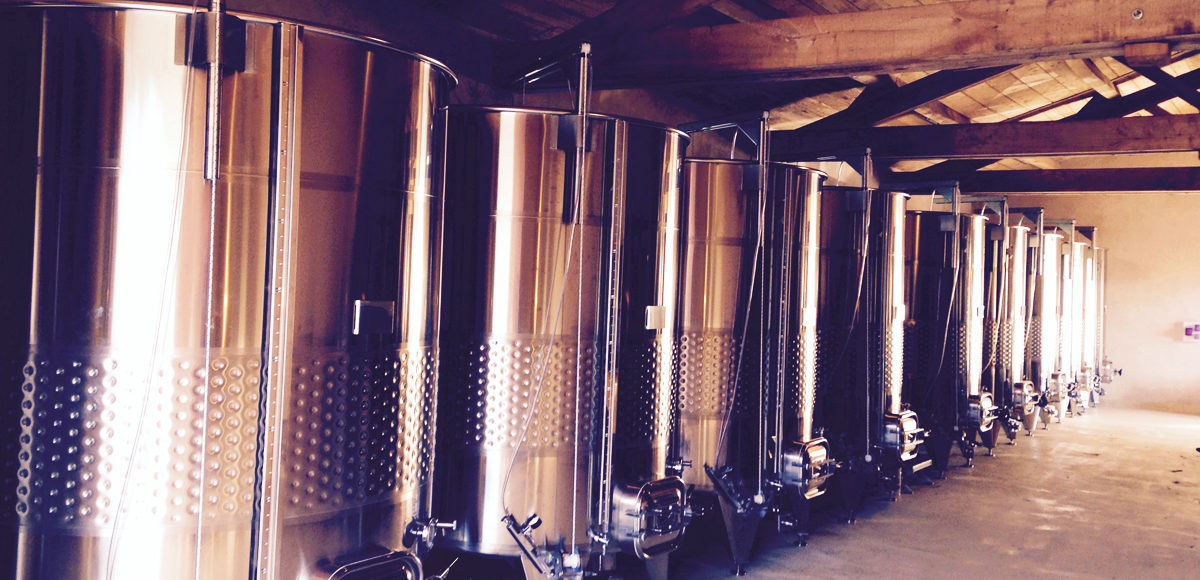
Although François aims to make the wines in Ozenay just as he does his 1er and grand cru wines in the Côte d’Or, he knows there are differences: “Getting ripeness is not difficult, keeping acidity is not easy,” he says of the Mâcon vineyards. “We decide to harvest by taste verified by acidity and pH, not by sugar level. Then, intervene as little as possible in the wines,” a philosophy that extends to work with native yeasts, full malo, and little added SO2. François is adamant that the grapes undergo a long and gentle press cycle, often between three and four hours, with frequent barrel rotations. He is also of the mindset that the juice must oxidize before undergoing fermentation to help combat premature oxidation (premox), the unfortunate and well-known complication that has affected countless wines, particularly white Burgundy, over the last decade or so. With energy and tension as the goals, François and Matthieu ferment in stainless under temperature control, perform battonage once a week throughout elevage, filter, and fine with clay. The wines then spend 11 months aging in oak (10% new). Side by side, En bout and l’Échenault are unmistakably distinct but share the common goal of balancing minerality and richness.
Philippe Viet is an unconventional vigneron in France, having come to winegrowing not through family legacy or tradition, but by sheer passion and determination. Though he did not grow up among the vineyards, he was raised in a family that appreciated fine food and wine. His early exposure sparked a lifelong fascination, leading him to study wine independently throughout university, business school, and his first career in banking and IT consulting. A dedicated student, he participated in tasting groups and earned several WSET diplomas. Eventually, his deepening passion for wine prompted a life-changing decision—he would become a winemaker.
In 2015, Viet took his first step into the industry, apprenticing with Eric Janin of Domaine Paul Janin et Fils in Moulin-à-Vent. Initially unsure of his path, he quickly fell in love with Beaujolais – its rolling hills, tight-knit community, and generous spirit. More than technical expertise, Janin instilled in him a profound humility, teaching him that a winemaker is ultimately a steward of the land. Inspired by this philosophy and drawn to working in nature, Viet committed to wine production.
He further honed his skills by studying winemaking in Beaune, and gained hands-on experience with Mathieu Baudry of Domaine Bernard Baudry in Chinon and Lethbridge Wines in Geelong, Australia. By 2018, everything had aligned – he found a home in Beaujolais and acquired 2.5 hectares of vines in Régnié, marking the beginning of his journey as a vigneron.
Beyond winemaking, Viet expresses his artistic side through his wine labels, which change annually to reflect different artistic inspirations. A passionate cook and music lover, he now lives in Morgon with his girlfriend, their dog, Oxford, and their cat, Ziggy.
Farming and Vineyards
Beaujolais proved the perfect fit for Viet’s winemaking vision. The region shares Burgundy’s stylistic elegance without the formality of the Côte d’Or. Its signature grape, Gamay, is both approachable and capable of terroir-driven complexity and aging potential.
Viticulturally, Beaujolais sits between Burgundy and the Rhône, with the north of the region defined by rolling granite hills that yield the region’s most expressive wines. Viet farms parcels in Régnié, Fleurie, and Morgon, three of Beaujolais’ ten cru villages. His vineyards span soils of granite, sand, sandstone, schist, alluvium, and clay. The Régnié plot, in particular, benefits from high elevation (400–450 meters), which enhances acidity and freshness.
Committed to sustainable farming, Viet is transitioning all his vineyards to organic certification under the Alpes Contrôles standard. His Beaujolais Villages, Régnié, and Fleurie plots have already been certified, with Morgon expected to follow by the end of 2024. The vineyards he inherited had been well maintained for 40 years, though not organically. Over time, he plans to replace standard Gamay clones with massale selections—cuttings chosen from older vineyards for their desirable traits. Today, his vines average 50–60 years of age.
In the Cellar
Viet’s winemaking philosophy prioritizes site expression, aiming for soft, elegant, and highly drinkable wines. He remains open to different fermentation methods, experimenting with inoculation, spontaneous fermentation, and pied-de-cuve. Fermentations take place in concrete vats equipped with cooling systems to maintain temperatures below 30°C. Gentle extraction is achieved through pump-overs or foliage (soft crushing), and SO₂ is used only in minimal amounts.
Once fermentation is complete, wines are aged in a mix of vessels, including sandstone amphoras, 500-liter oak puncheons (for Fleurie), and stainless steel or fiberglass tanks. Bottling occurs the following summer, with an additional four months of rest before release.
With his dedication to terroir-driven winemaking and sustainable practices, Philippe Viet is establishing himself as a rising talent in Beaujolais—crafting wines that reflect both place and passion.