“Everything we do and all the decisions we take are dedicated to maximizing wine quality.” — Morgan Meier
In the Swiss Jura, on the shores of Lake Neuchâtel about an hour from Geneva, the Meier family has farmed vines for four generations. The story began in the 1920s, when Morgan Meier’s great-grandfather bought his first three hectares out of a love for good wine and sold the grapes to local wineries. For decades the family kept a few hectares as a side business alongside a garden center, pool and jacuzzi enterprise. That changed in 2001, when Denis Meier, an agronomist trained at ETH Zurich, bought 15 hectares with a single objective, to produce outstanding pinot noir.
Denis spent years replanting the best parcels with low-yielding, high-quality massale selections drawn mainly from Burgundy. The wine itself waited until 2015, when his son Morgan returned from two years working in Burgundy and the family vinified its first vintage from five hectares. Today the Meiers use roughly 10 to 12 hectares of their finest parcels for their own wines and sell the rest of the estate’s fruit to a larger winery.
The region
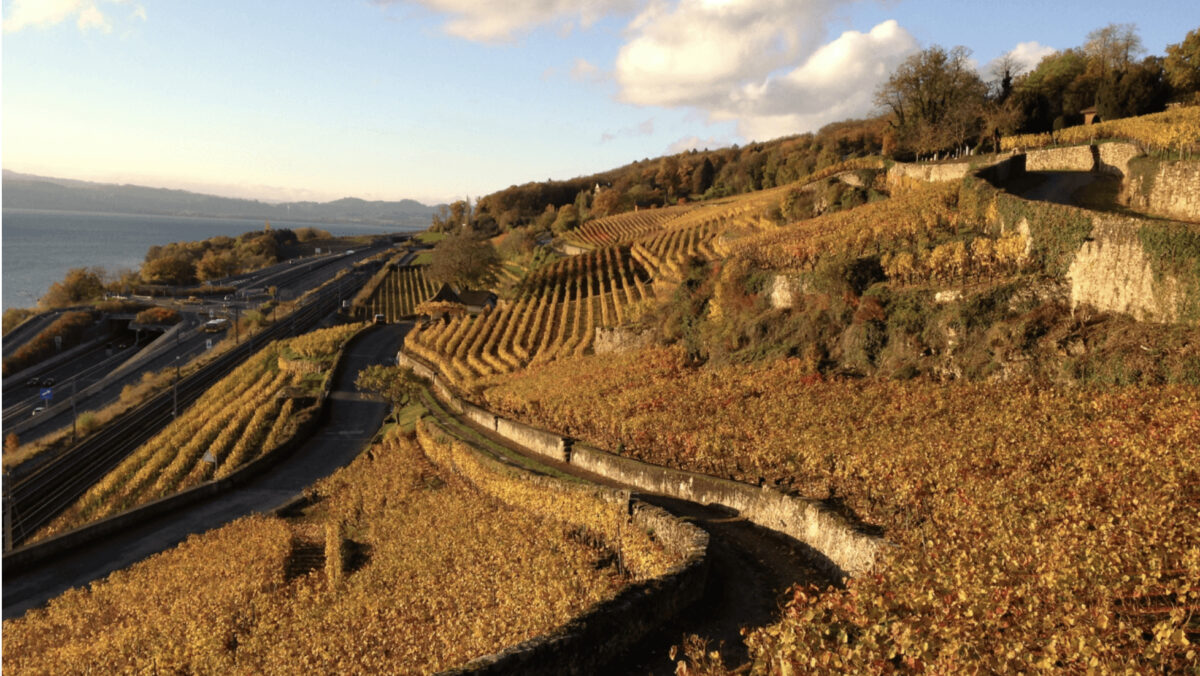
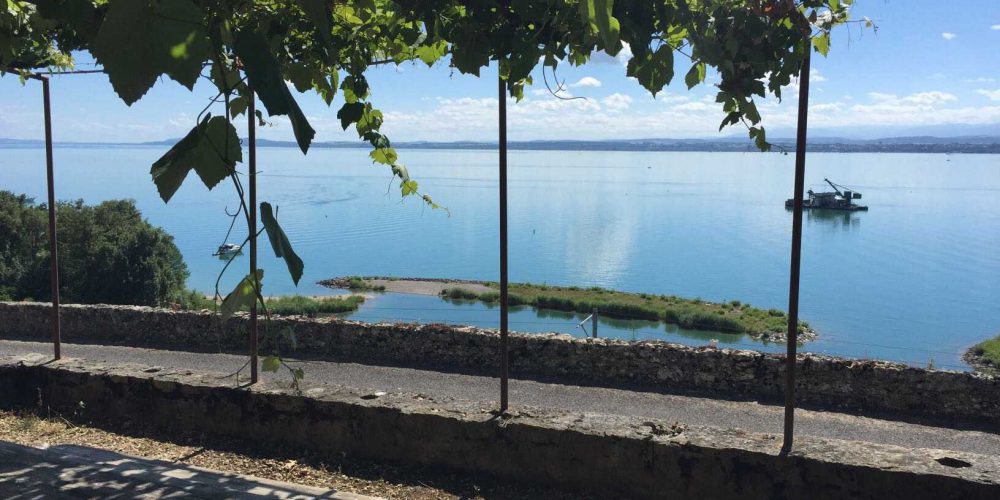
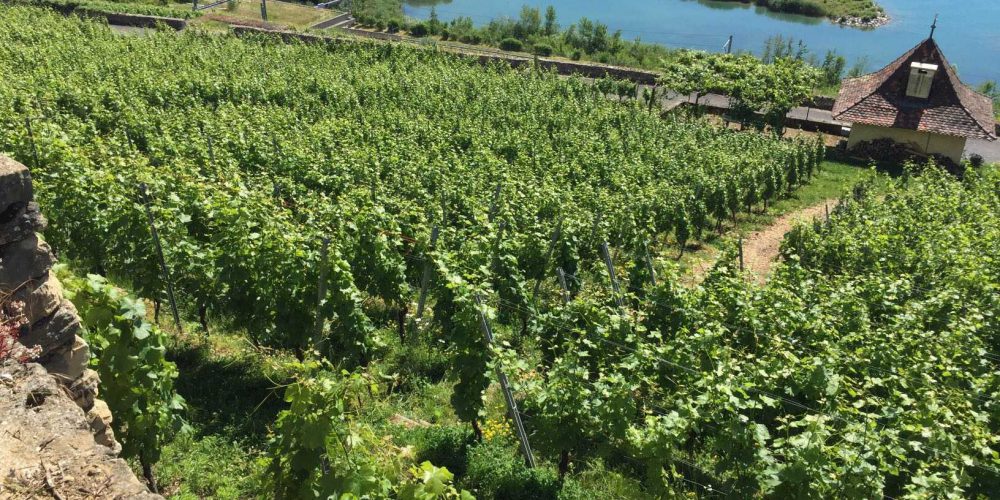
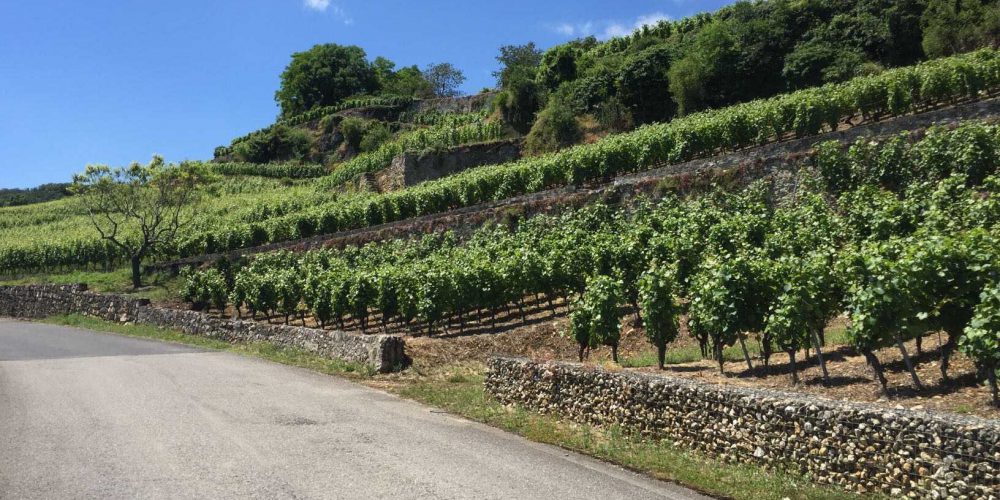
Neuchâtel sits between lake and mountains, and Morgan considers it one of the top regions in Switzerland for pinot noir. The climate and soils closely resemble Burgundy, though ripening arrives about two weeks later. The main soil is clay and limestone, but the domaine also works unique terroirs of sand and gravel. Over the past 20 years, the estate has benefited from a warming climate that has lifted quality, with the average harvest now falling in mid-September, which Morgan calls optimal.
Morgan Meier
Morgan studied enology in Dijon in 2014 and 2015, training at two renowned addresses, Domaine David Duband and Domaine Armand Rousseau. He made his first vintage at home in 2015 and has now completed a decade at the family estate. His benchmarks are the great wines of Burgundy, among them Domaine de la Romanée-Conti and Mugnier, with Coche-Dury and Henri Germain for whites, alongside leading Swiss pinot producers such as Tatasciore and Studach.
He is the first in the family to make wine, and his philosophy is built on grape quality above all. The team of eight, including Morgan himself, puts the work into the vines so the cellar can stay minimalist. As Morgan puts it, only outstanding grapes can produce great wine.
In the vineyard
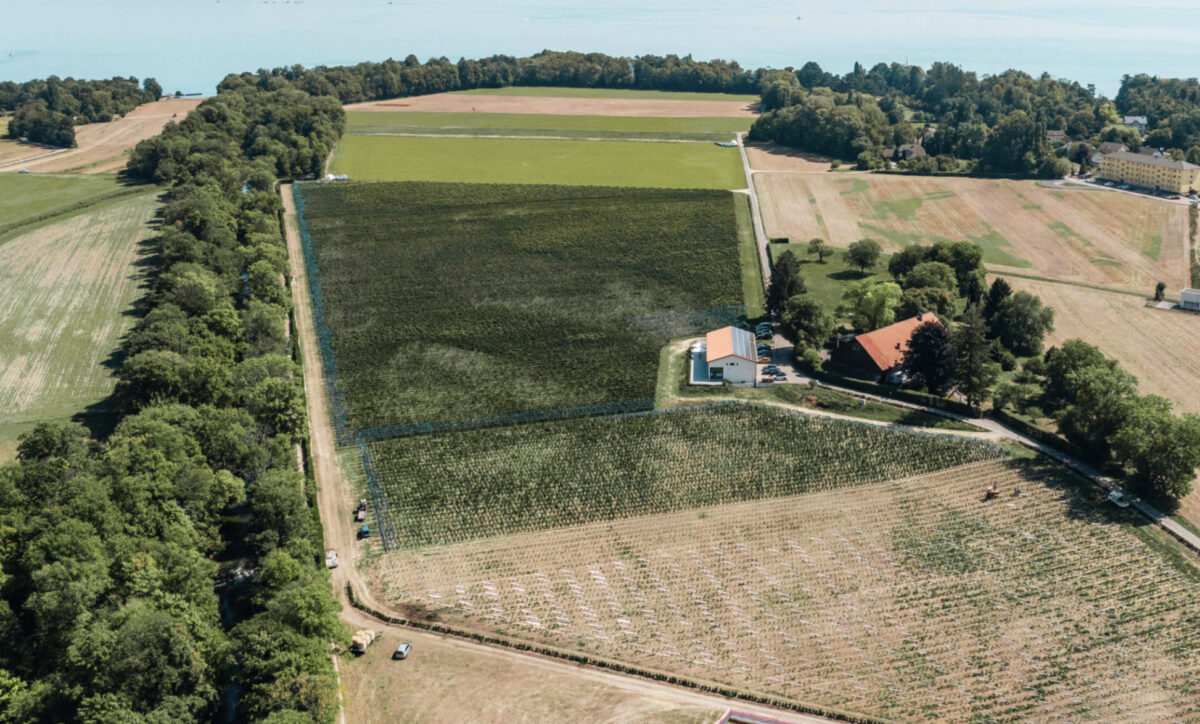
The domaine farms organically, with full grass cover between and beneath the rows, late pruning and hand harvesting into small eight-kilogram crates. Yields run two to three times lower than the legal maximum, a direct result of the low-vigor selections the family planted. The estate has worked organically in its production parcels since 2015 and gained Bio Suisse certification for the entire domaine in 2025. In the Les Landions vineyard the team also works biodynamically, though without seeking certification for it.
Plantings are mainly massale selection pinot noir from Burgundy, plus a few Burgundian and German clones chosen for quality, with older parcels still carrying pinot noir of Neuchâtel origin. Vines are trained on simple Guyot, trimmed when the canopy grows too tall and leaf-pulled by hand and machine to open up the fruit zone. The own-rooted character of the work, Morgan notes, lies less in vine age, which still averages around 10 years, than in the quality of the massale and clonal material itself.
The wines
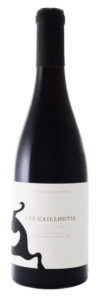
Les Cailloutis is the village wine and the most approachable in the range, a blend drawn from vines across both of the domaine’s communes, Cortaillod and Vaumarcus. The soils mix clay and limestone with river gravel and sand, the stony ground that gives the wine its name. It represents the house style, fruity, delicate and elegant, with finesse and great drinkability.
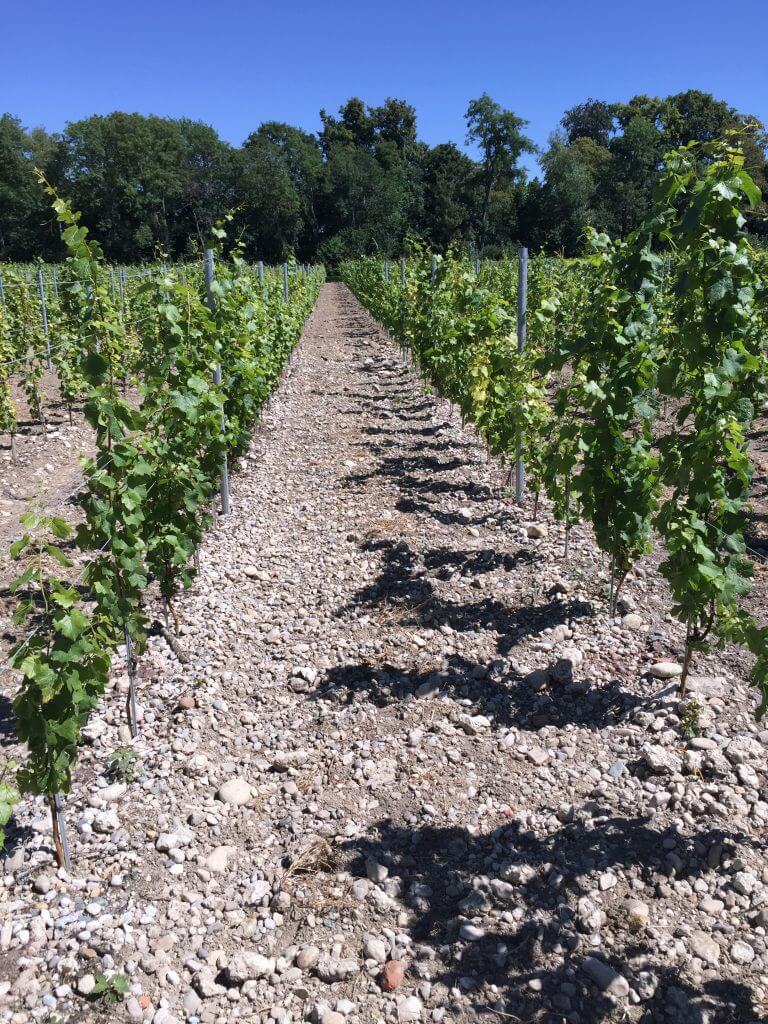
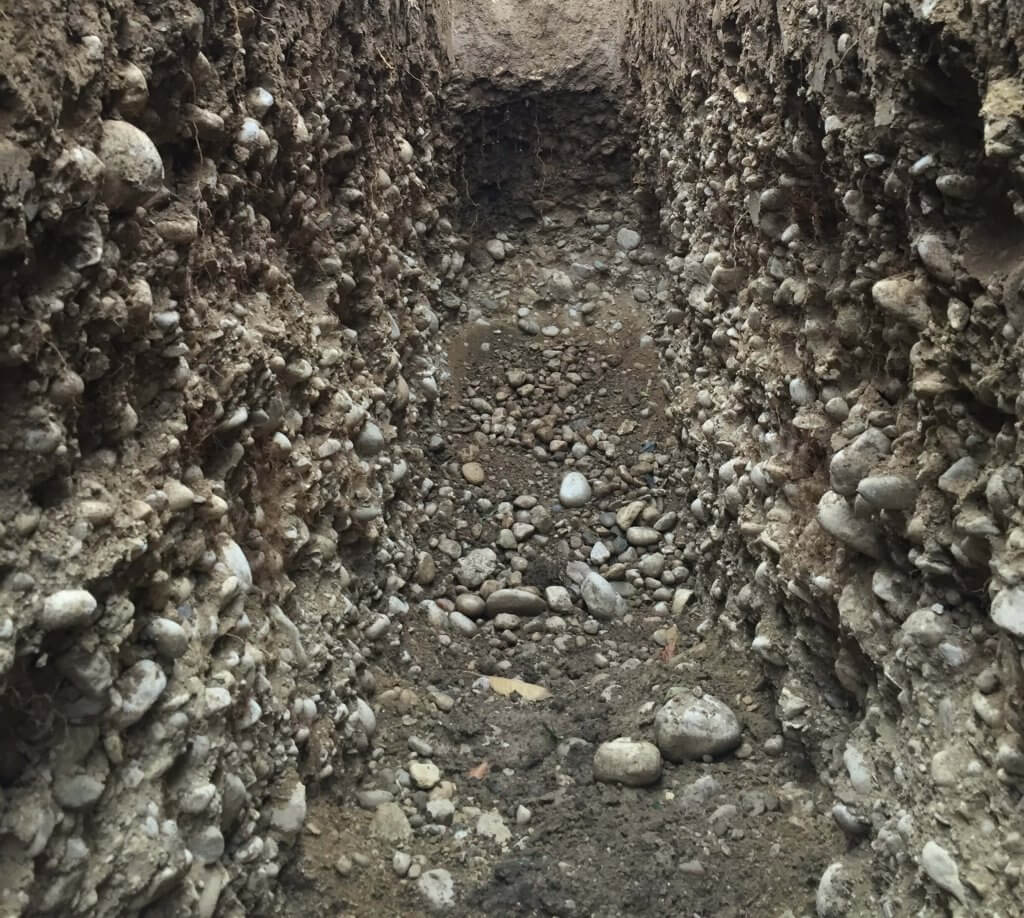
Les Landions takes its name from the Cortaillod parcel and the old farm road that gave the domaine its own. The site sits on the Areuse plain, a dry, free-draining soil of river gravel and stones that runs as deep as six to eight meters to the water table, with a strikingly even granulometry. The wine leans toward red fruit, very elegant, with smooth, round tannins.
Clos du Château is a single old-vine parcel of about 0.6 hectare at the Château de Vaumarcus, the limestone-rich vineyard Denis Meier acquired in 2002. A monopole made only in the best years, it shows black fruit with spice and tobacco, fuller and more powerful than Landions, with firmer tannins, and it asks for a little more aging to reach its potential.
In the cellar
Morgan’s cellar philosophy is low intervention and long aging, and every pinot is made the same way. Fermentation is spontaneous in stainless steel, beginning with a cold pre-fermentation soak of about 10 days before the tanks are warmed and the temperature controlled through fermentation. Total skin contact runs around 30 days, and malolactic fermentation is allowed to complete in full. The wines are neither fined nor filtered.
After roughly a month of fermentation, the wines age 18 months in French oak. Les Cailloutis sees 20 percent new oak, with the balance one to two years old, while Landions and Clos du Château are raised entirely in new oak. Sulfur is kept modest, around 30 to 35 milligrams per liter of free SO2 before bottling. The wines are bottled in May, 18 months after harvest, and held three more months in bottle before release. All are produced under the AOC Neuchâtel.
Beyond the cellar
Morgan is in his mid-30s and openly driven by one ambition, to be recognized as one of the top pinot noir producers in Switzerland. Away from the vines he plays golf, skis in the Alps and travels with his wife and young son, Henri. The estate’s deer emblem, taken from a second-century B.C. Celtic engraving found in the Neuchâtel region, nods to the area’s La Tène heritage and to a people known as joyful wine drinkers who, as the family likes to tell it, invented the wooden barrel still used to raise these wines today.