
“Every action in the vineyard is guided by careful attention to soil health and fertility.” — Katy Duthel
Since 1926, the Ruet family has been making wine at the foot of Mont Brouilly on the outstanding terroir of Voujon in Cercié-en-Beaujolais. Now in its fourth generation under Katy and David Duthel, the domaine remains dedicated to expressing the distinct character of each parcel through traditional Beaujolais winemaking methods and a deep respect for the land.
Domaine Ruet focuses on parcellaire wines from across five Beaujolais crus (Brouilly, Côte de Brouilly, Morgon, Chiroubles, and Régnié) as well as Beaujolais-Villages, Crémant de Bourgogne, and Pinot Noir.
Katy Duthel
Katy is the daughter of Jean-Paul Ruet, himself a descendant of the estate’s founders. She studied management and married David in 2005. Together they took over the family domaine in 2010. Katy manages the administrative side of the business, including sales and export to numerous countries. She is also deeply involved in promoting Beaujolais through the association Elles & Beaujolais, a group of women vigneronnes working to elevate the region’s profile.
David Duthel
David comes from a wine background and manages vineyard work and winemaking at the domaine. He is committed to environmental stewardship and has guided the estate through HVE certification and into organic conversion. Beyond his work at Ruet, David contributes to the broader development of Beaujolais through events and tastings across the region. He was named best vigneron in Beaujolais in both 2014 and 2017.
Beaujolais
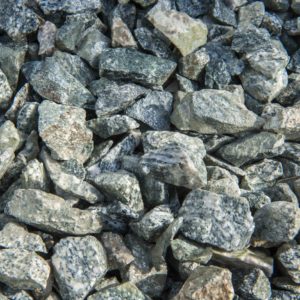
Beaujolais lies between Burgundy to the north and Lyon to the south, a 55-kilometer stretch along the Saône River. The northern part of the region, Haut Beaujolais, is defined by granite and schist soils on steep, well-drained slopes. This is where all ten Beaujolais crus are located, producing wines with more structure, complexity, and aging potential than the lighter, fruit-forward wines of the clay-limestone soils to the south.
The Gamay grape thrives here, particularly in the granitic terroirs that force vines to dig deep for water and nutrients, resulting in concentrated, mineral-driven wines. Beaujolais winemaking is traditionally defined by semi-carbonic maceration, emphasizing the grape’s fresh fruit character while preserving structure and sense of place.
Viticulture and Farming
Domaine Ruet has been certified HVE3 (Haute Valeur Environnementale) since 2019 and is currently in conversion to organic certification. The philosophy is straightforward: sustainable viticulture that respects the environment, encourages biodiversity, and minimizes intervention.
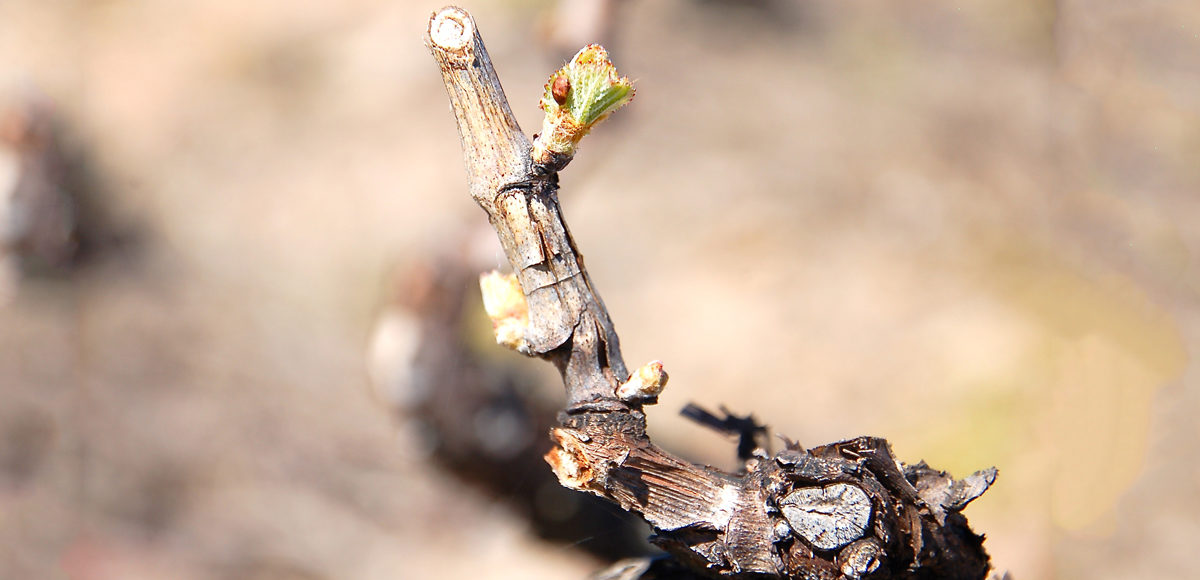
Cover crops are sown between rows to promote soil health and drainage. Hedges and fruit trees are planted to encourage biodiversity, and beehives have been installed on the property. Manual suckering and disbudding are performed to ensure optimal grape development, and leaf removal is done by hand to perfect ripeness and aerate the bunches.
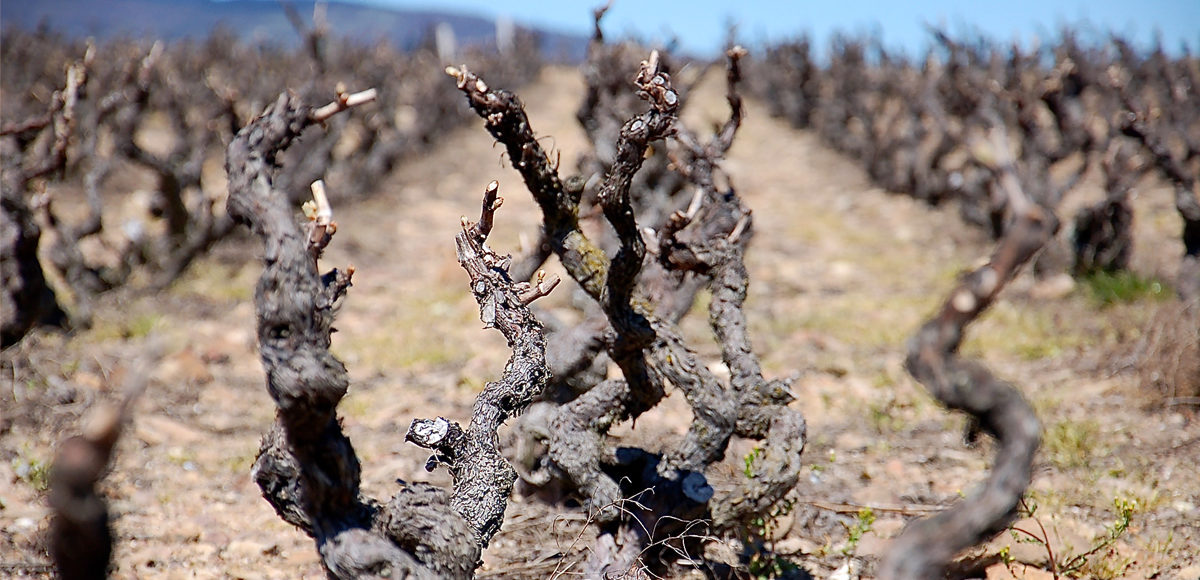
Pruning is short, utilizing gobelet, cordon, and cordon de Royat, to favor terroir expression and control yields. Red grapes have been harvested by hand for four generations.
The Vineyards and Wines
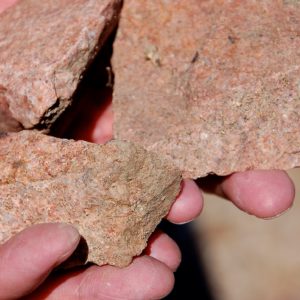
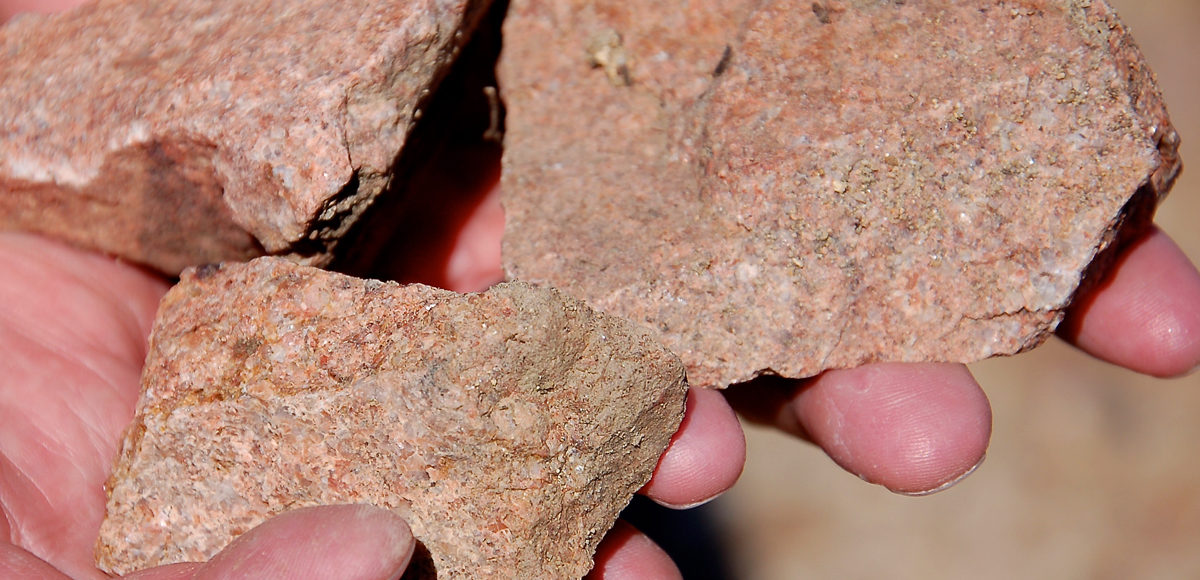
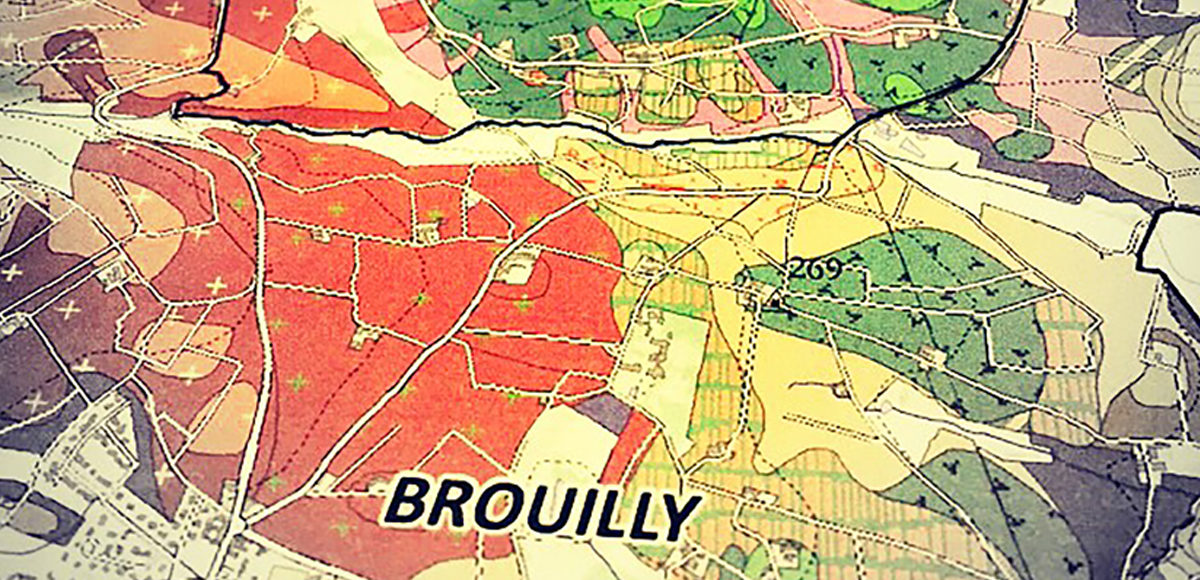
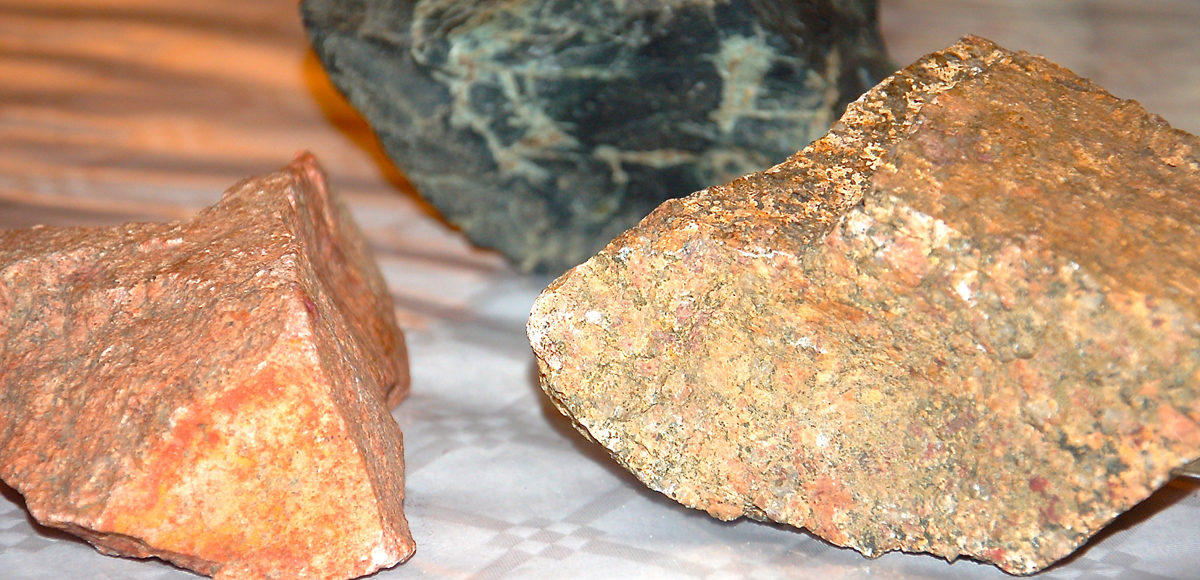
The domaine spans 20 hectares across south-facing slopes at the foot of Mont Brouilly. The soils are granitic, stony, and shallow. Typical hallmarks of northern Beaujolais that produce wines of depth and mineral character.
Each parcel is vinified separately: one plot, one wine.
Brouilly Voujon: Mid-slope on a pink granite vein with shallow clayey loam. South-facing. The estate’s home vineyard.
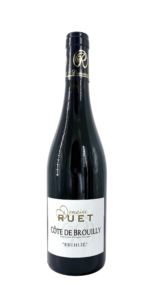
Côte de Brouilly Brulhié: Slopes exceeding 30%, south-southeast exposure, clay soil on blue rock. UNESCO-listed geopark.
Morgon Douby: Red slate (terrain rouge) on the surface with clay-silt subsoil. Produces rich, expressive wines.
Morgon Les Grands Cras: On the south side of the Côte du Py, one of Morgon’s most complex terroirs. Schist, manganese, and composite rocks with clay that brings roundness and depth.
Morgon L’Évêque: Southern slope of the Côte du Py. Renowned for complexity, with clay veins, granite, and porphyry.
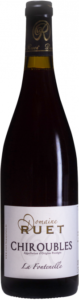
Chiroubles La Fontenelle: Over 30% slope, south-facing, on granite and sandy, filtering soil. Named for the natural springs found here.
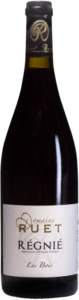
Régnié Les Bois: Sandy-clay soil at the southern edge of the appellation, between Morgon and Brouilly.
Beaujolais-Villages / Bourgogne Blanc: Chardonnay planted at the foot of the Côte du Py on silty clay and clay-limestone veins.
Cellar Work
Vinification follows the traditional Beaujolais method: semi-carbonic maceration with whole bunches. Fermentation is natural with indigenous yeasts, with no sulfites added during winemaking. The cellar is equipped with stainless steel tanks, barrels, and tuns, all with temperature control to ensure precision while respecting tradition.
Partial destemming is performed depending on grape and stalk maturity with the goal to remove plant material that might add unwanted vegetal character. Maturation takes place in vats, barrels, or casks depending on the wine. Bottling follows the lunar calendar in accordance with biodynamic principles.
The result: wines that are alive, unique, and expressive of their origins.