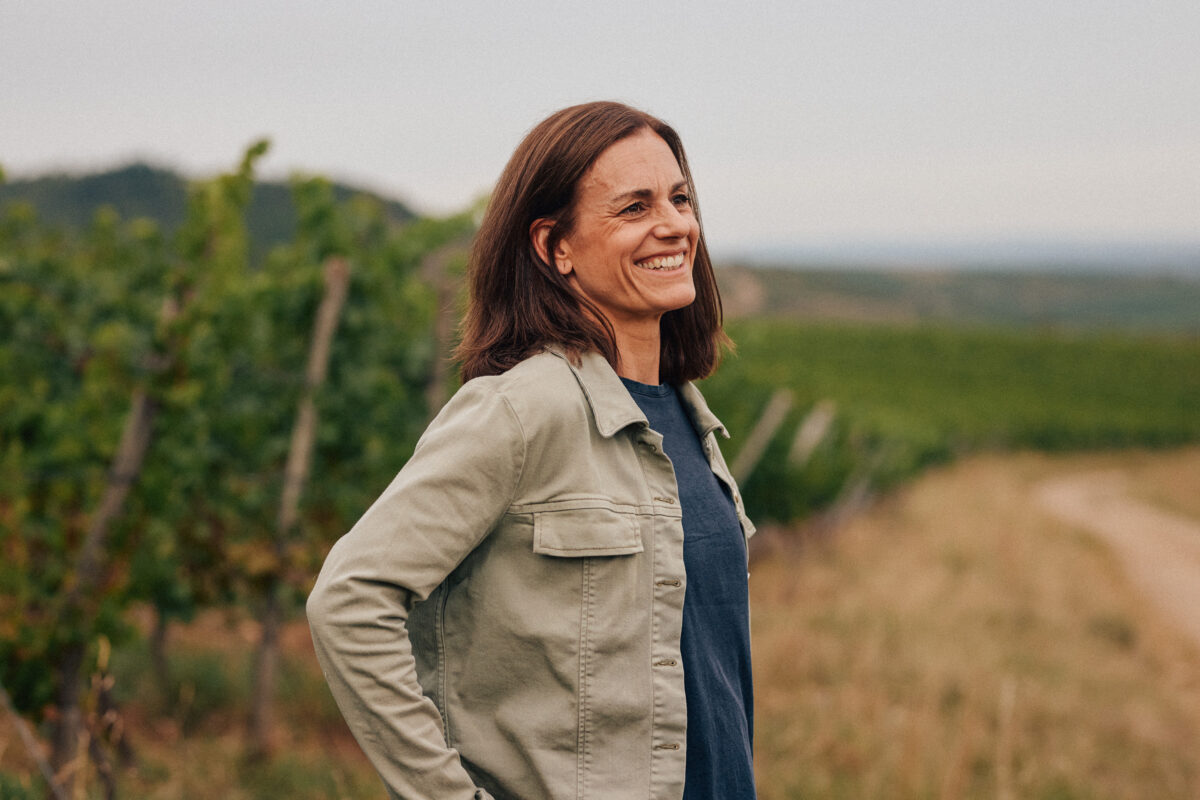
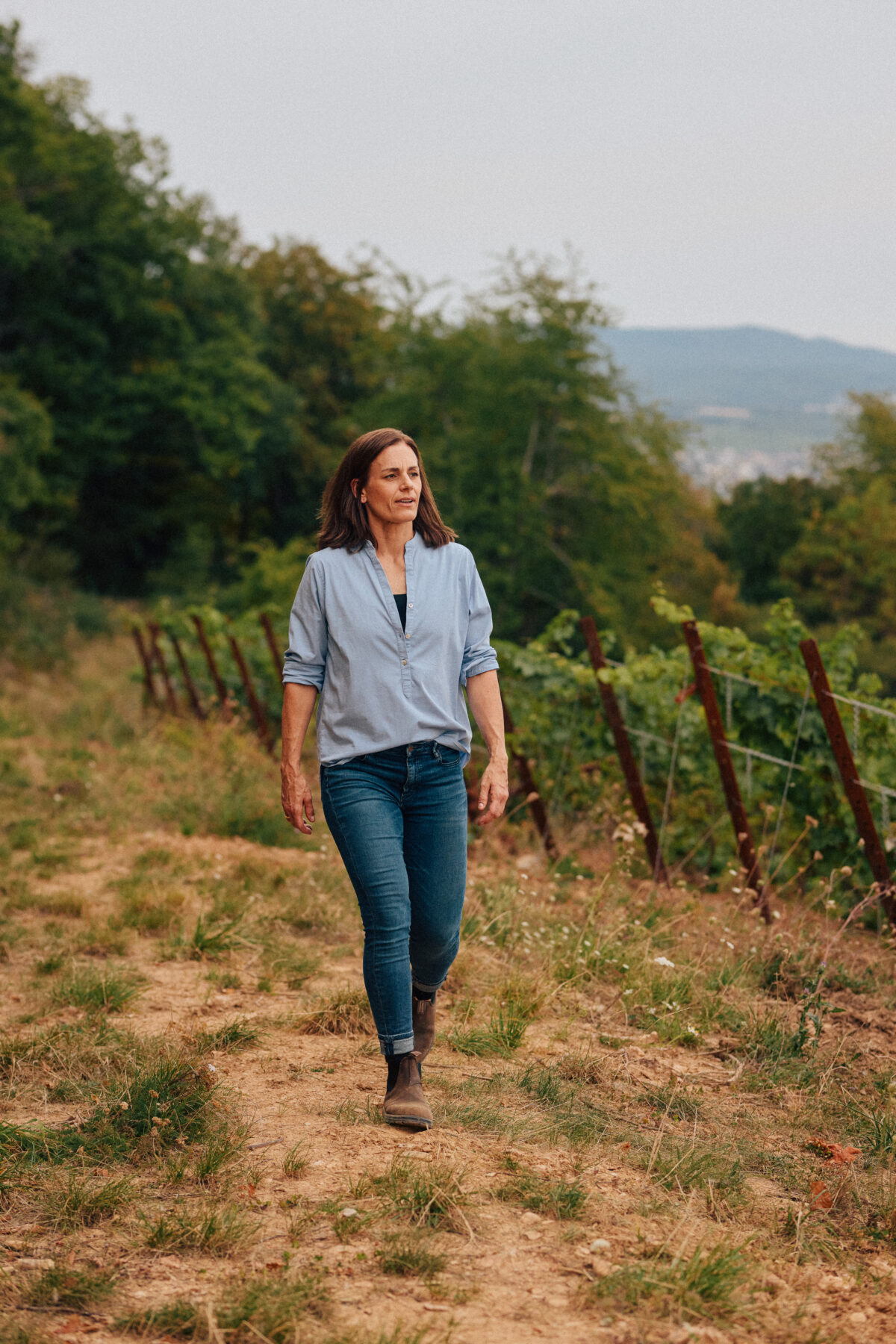
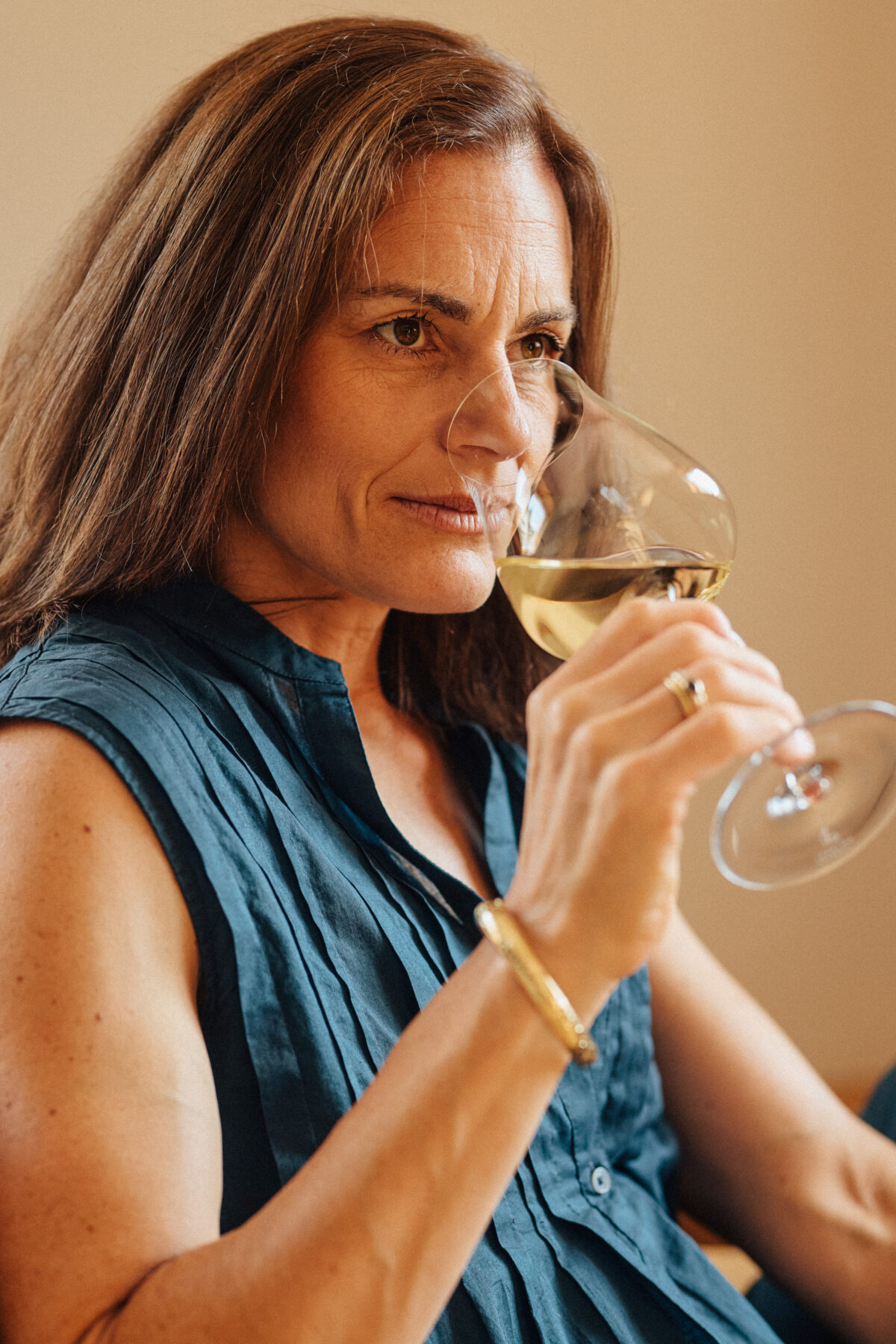
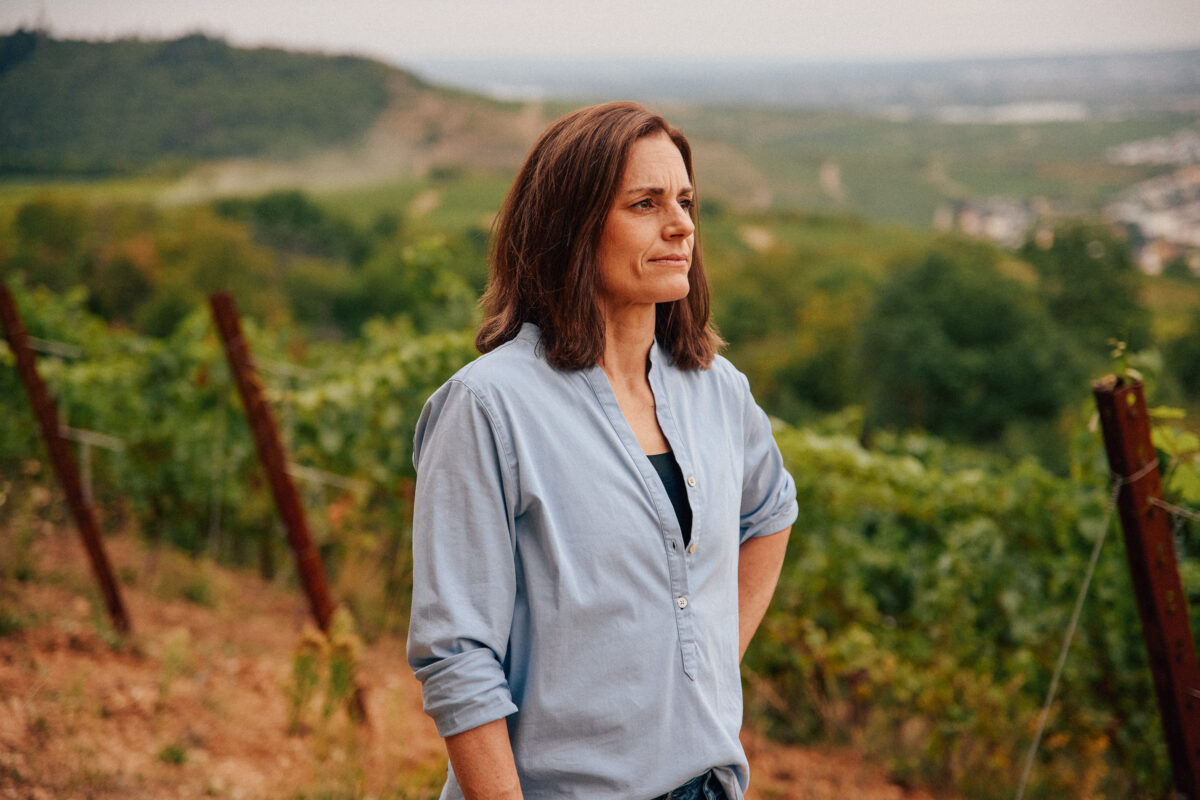
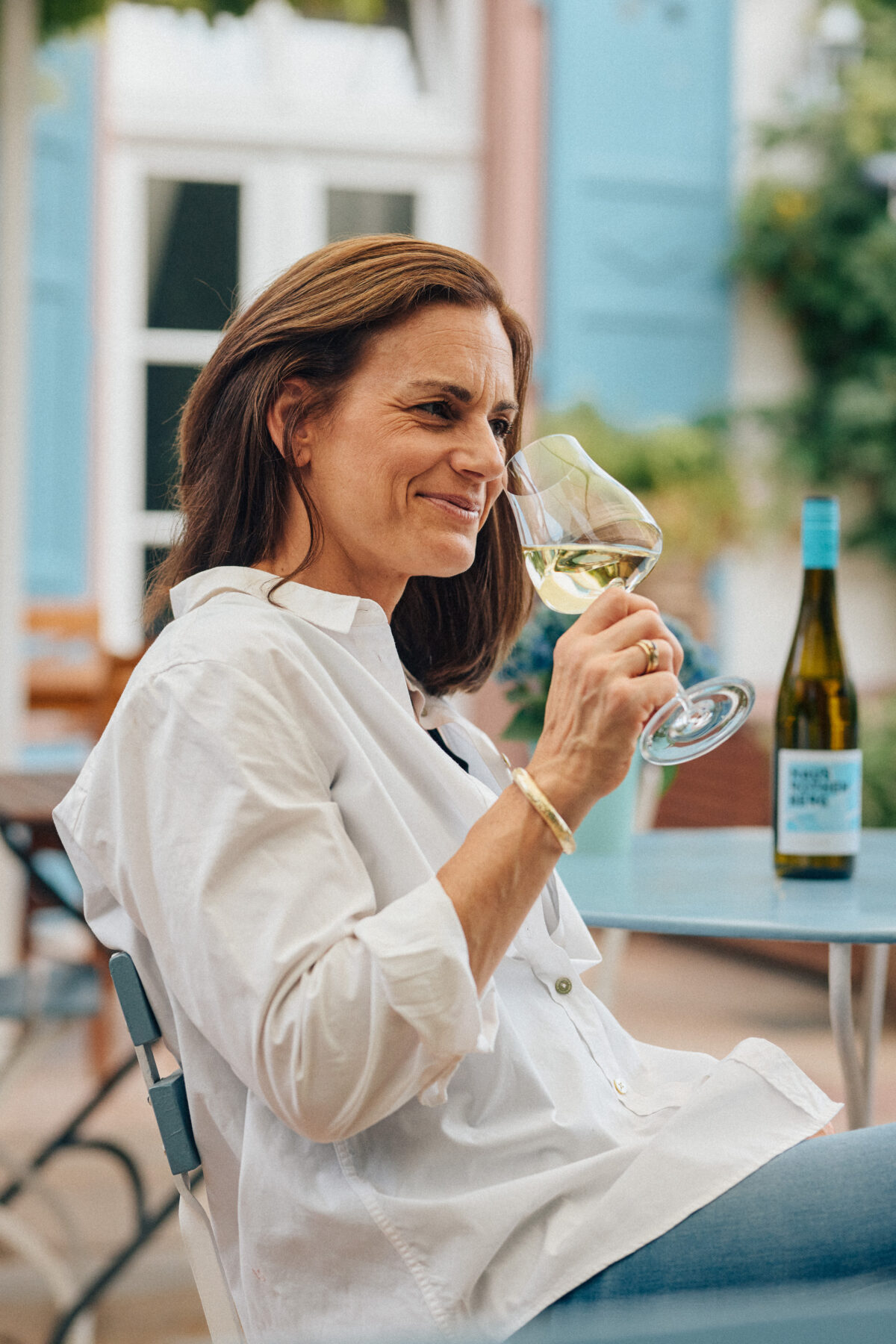
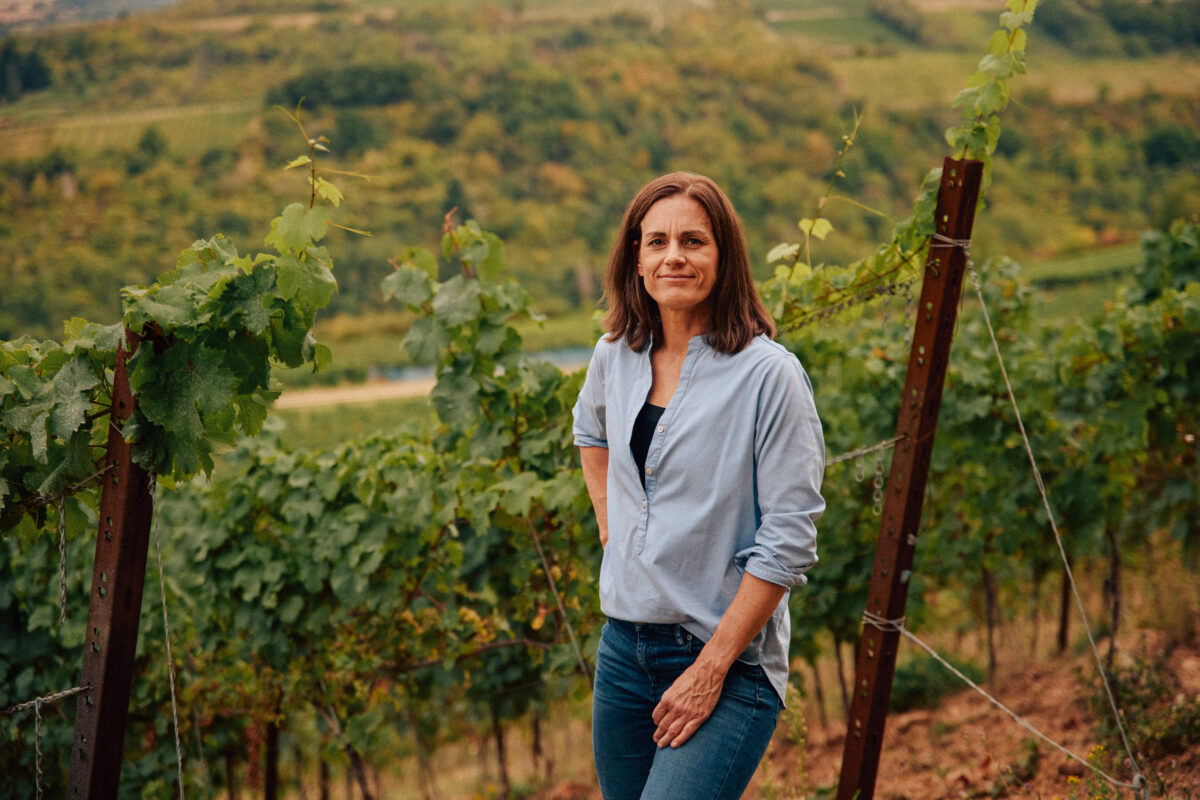
“Our philosophy is not simply to remove alcohol from finished wines, but to produce high-quality base wines specifically designed for premium non-alcoholic production from the very start.” — Julia Rumpf
Quelle is a line of non-alcoholic wines produced by Haus Rothenberg. The name, German for “source” or “spring,” reflects what these wines are meant to be: clear, pure, and rooted in origin. The wines are drier, lower in calories, more elegant, and significantly more wine-like in overall profile.
The current lineup includes a riesling, a sparkling riesling, and a chardonnay. The grapes come 100% from the Nahe wine-growing region, and the chardonnay comes from vineyards located within approximately 10 kilometers of the winery. The grapes are processed directly at the Haus Rothenberg facility, giving Julia and Georg Rumpf full control over quality from harvest onward.
Why These Wines Are Different
The wines are specifically vinified at Haus Rothenberg for the Quelle project. It’s this specific intention, wines destined for dealcoholization from the start, that enables the wine to retain balance and structure after alcohol removal, rather than relying on sugar to mask imbalance or excessive acidity.
During vinification, extended maceration before pressing helps naturally soften and reduce acidity while increasing potassium extraction from the grape skins. This contributes to a rounder and more balanced mouthfeel while also naturally increasing the pH level. The wines then remain on their fine lees until shortly before dealcoholization. Extended lees aging adds texture, complexity, and natural palate weight, all extremely important elements for high-quality non-alcoholic wines, where maintaining mouthfeel is critical.
Because the base wines already have naturally lower acidity and better balance, significantly less residual sugar is required to create harmony in the finished wines. “We do not believe that sugar should be used as make-up to cover imbalance or excessive acidity,” Julia explains. “Instead, we focus on producing balanced wines from the very beginning. This is one of the major differences compared to many non-alcoholic wines currently on the market.”
Reverse Osmosis
Quelle uses reverse osmosis for dealcoholization, the most advanced and gentle technology currently available for premium non-alcoholic wine production. The process works by pressurizing wine against a semi-permeable membrane. Water and ethanol molecules are small enough to pass through; flavor compounds, phenolics, and color pigments are too large and remain behind. The separated water-alcohol mixture is then processed to remove the alcohol, and the now alcohol-free water is reintroduced to the wine concentrate to restore volume and balance.
The critical advantage is that the wine’s flavor compounds never leave the concentrate and never experience heat. Only the separated water-alcohol mixture is processed for alcohol removal. Temperature-sensitive aromatics, phenolic structure, and natural acidity remain intact throughout. In the past, vacuum distillation was commonly used for dealcoholization. While effective at removing alcohol, distillation heats the entire wine. Even under reduced pressure, which lowers the boiling point, all of the wine’s volatile aromatics are exposed to thermal stress. The result is often a “cooked” character and diminished freshness, structure, and texture.
With reverse osmosis, the wine itself stays cool throughout the process, and the membrane acts as a selective barrier that protects the compounds that matter most. More of the wine’s volatile aroma compounds, natural acidity structure, and phenolic components are preserved. This leads to greater purity, better texture, and a more authentic representation of the grape variety and origin. The result is a wine that tastes much closer to the original before dealcoholization, with better freshness, more precision, and greater varietal expression. “In our opinion, this technology allows non-alcoholic wines to move much closer to the quality expectations of premium traditional wines.”
The Wines
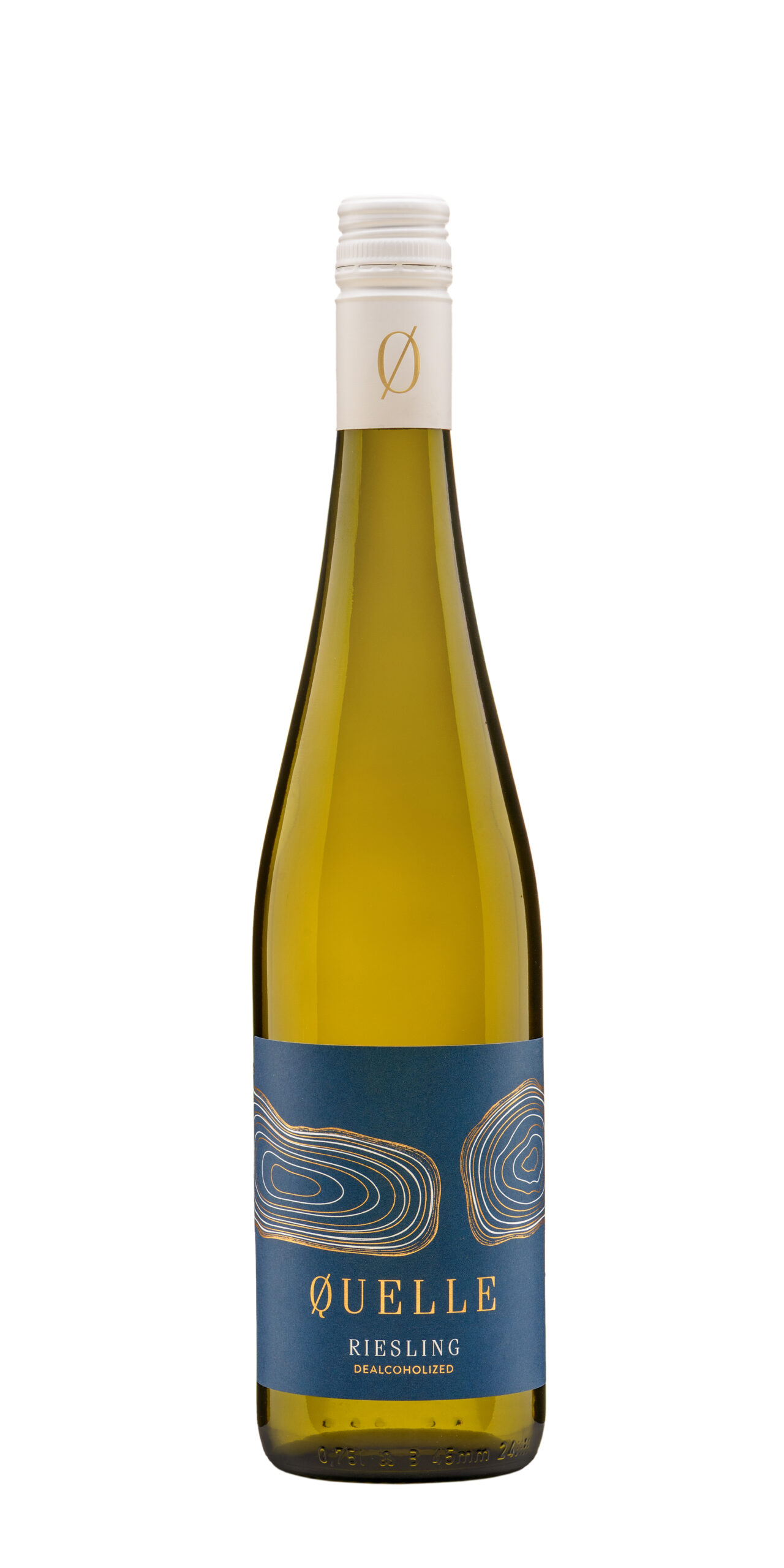
Quelle Riesling: 100% riesling from the Nahe. Extended skin contact before pressing, aged on fine lees until shortly before dealcoholization. The wine shows clarity, freshness, and varietal precision without the soft-drink sweetness typical of the category.
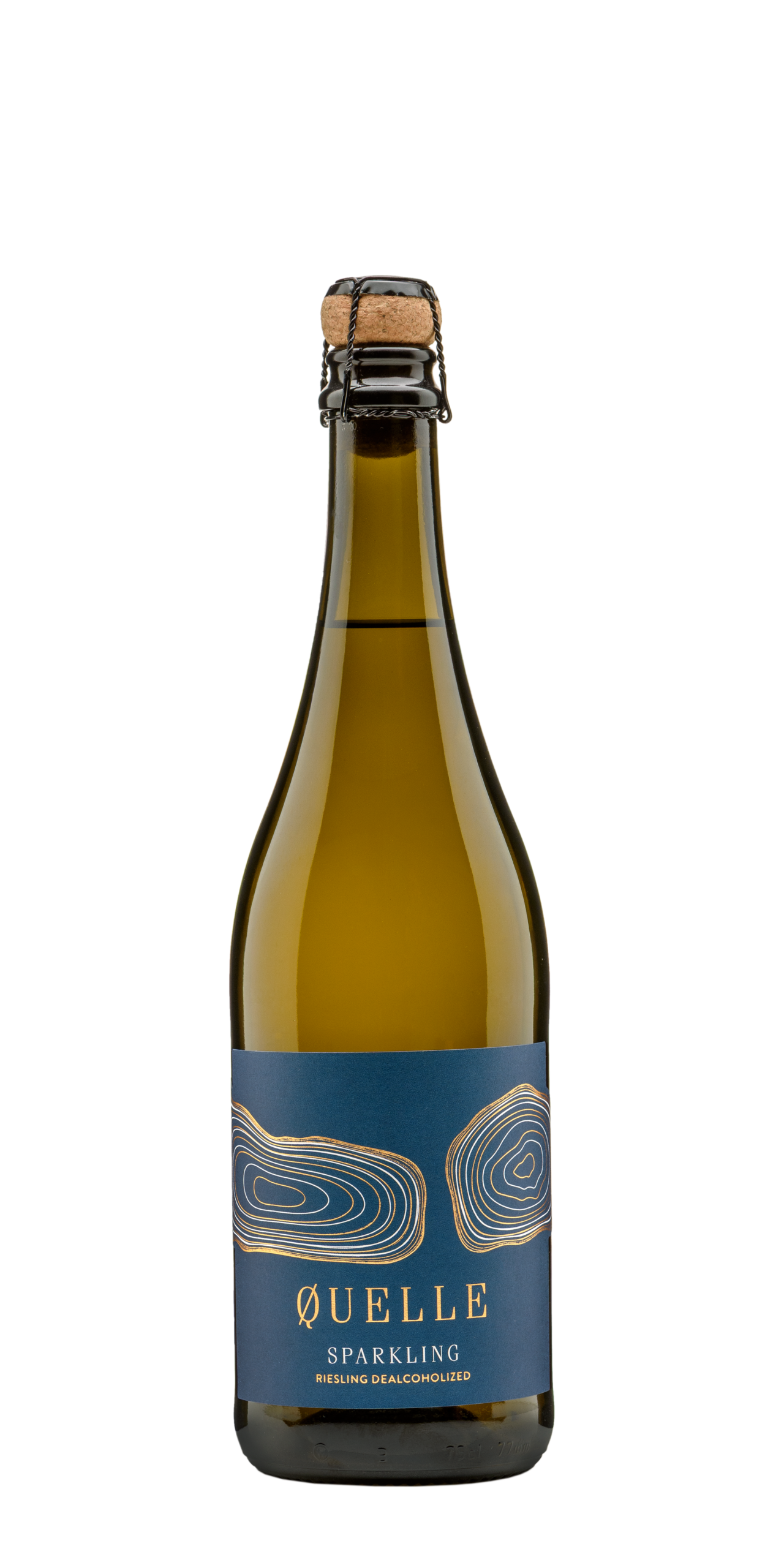
Quelle Sparkling Riesling: 100% riesling from the Nahe. Made in the same style as the still Riesling, with extended skin contact before pressing and aging on fine lees until shortly before dealcoholization. The sparkling version adds lift and energy while retaining the same clarity, freshness, and varietal precision.
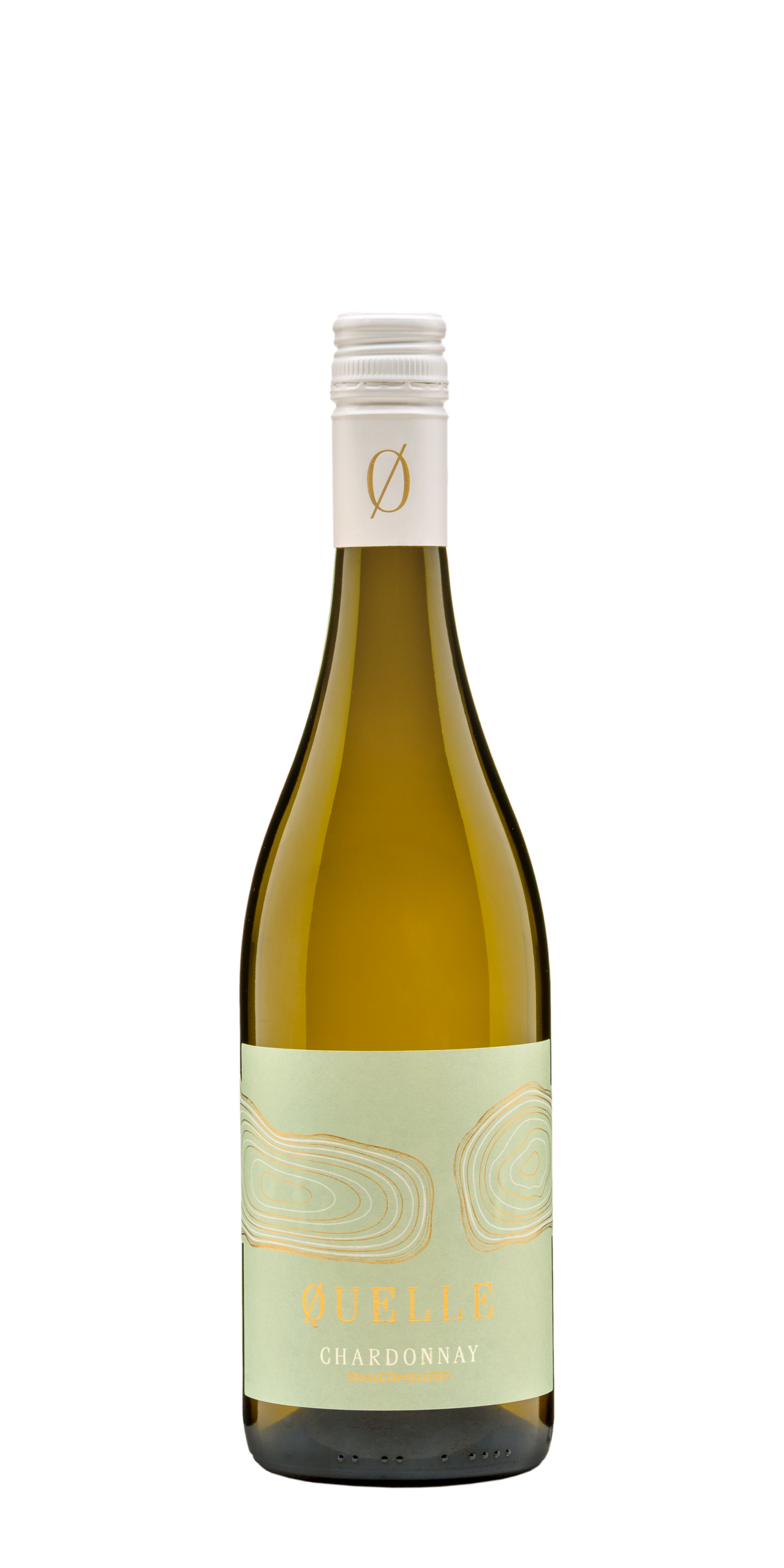
Quelle Chardonnay: Chardonnay from vineyards located within approximately 10 kilometers of the winery. The wine is initially aged in stainless steel. Toward the end of the maturation period, the wine is transferred together with its fine lees into large oak casks (2,000 liters, approximately 4–6 years old), which adds additional texture, depth, and complexity to the final wine.
Haus Rothenberg
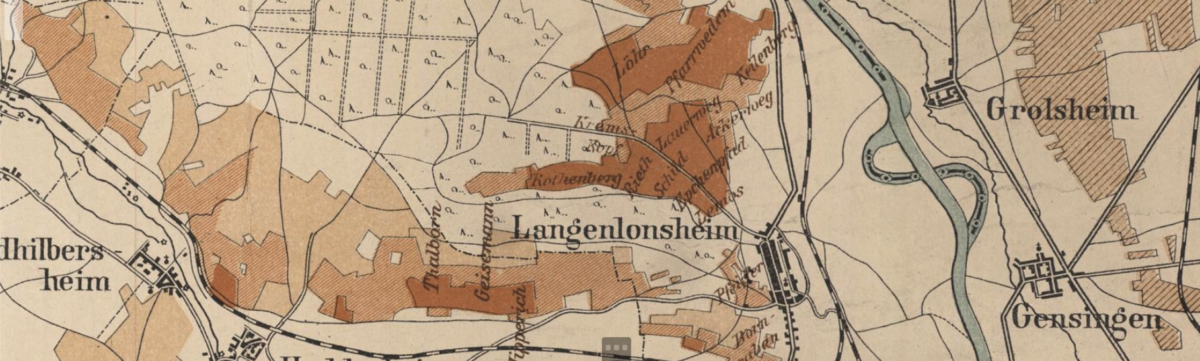
Haus Rothenberg is a new wine line built on deep historical roots. The project centers on approximately 10 hectares of vineyards in Langenlonsheim, acquired from the long-established Sitzius estate. Many vines were planted in the 1980s and 1990s and are now in their prime, yielding wines of depth, balance, and expression from naturally low volumes.
Georg Rumpf, winemaker at Weingut Kruger-Rumpf, oversees all vineyard and cellar work. Julia Rumpf serves as managing director, shaping the line’s identity, language, and direction. Her name on the label signals what this is: a personal project.
All vineyards are farmed organically and sustainably, currently in transition toward certification. The philosophy is simple: healthy soils, balanced vines, minimal intervention. The better the vine is doing, the less they need to intervene, and the clearer the wine becomes.