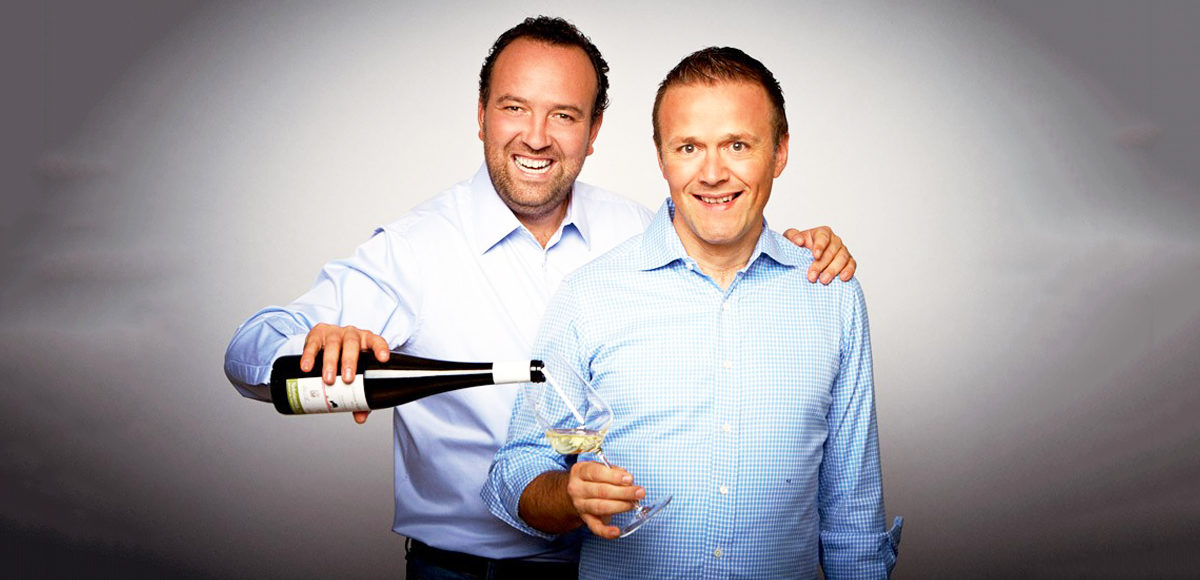
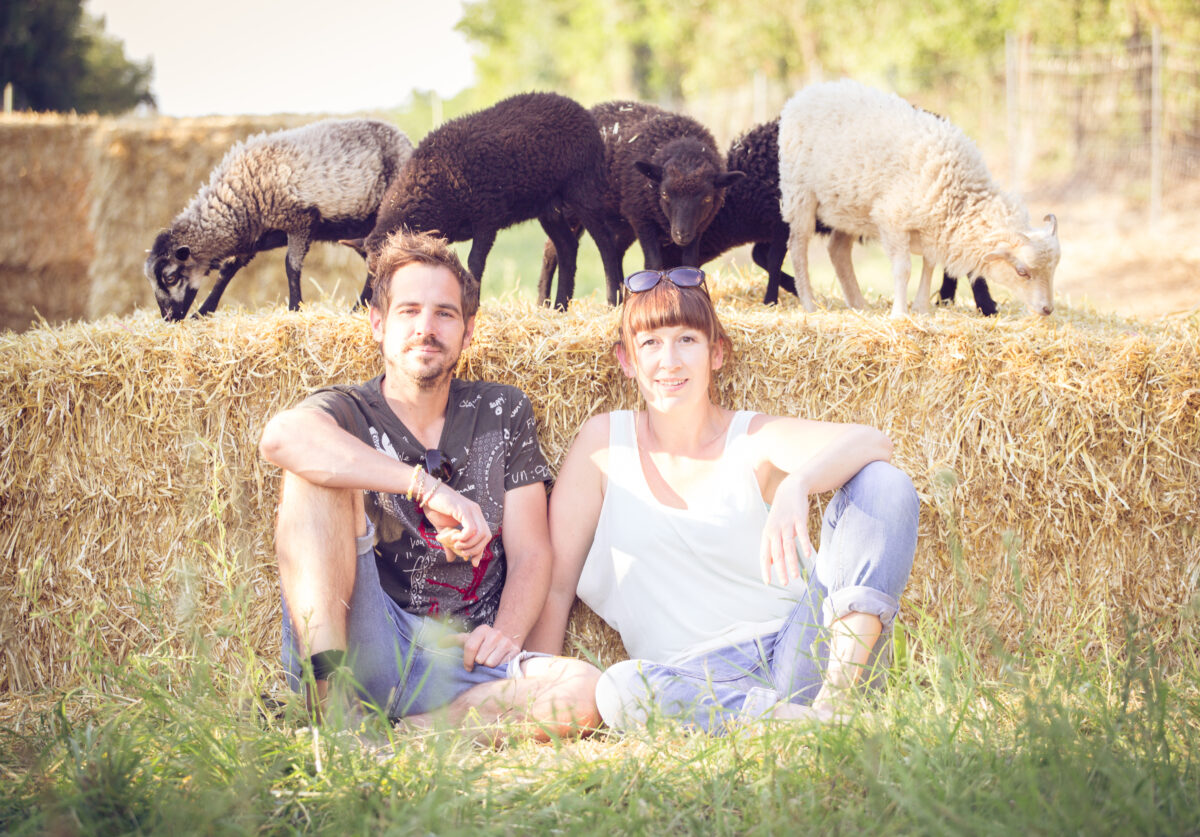
“I’m just not as good as nature.“ — Karl Fritsch
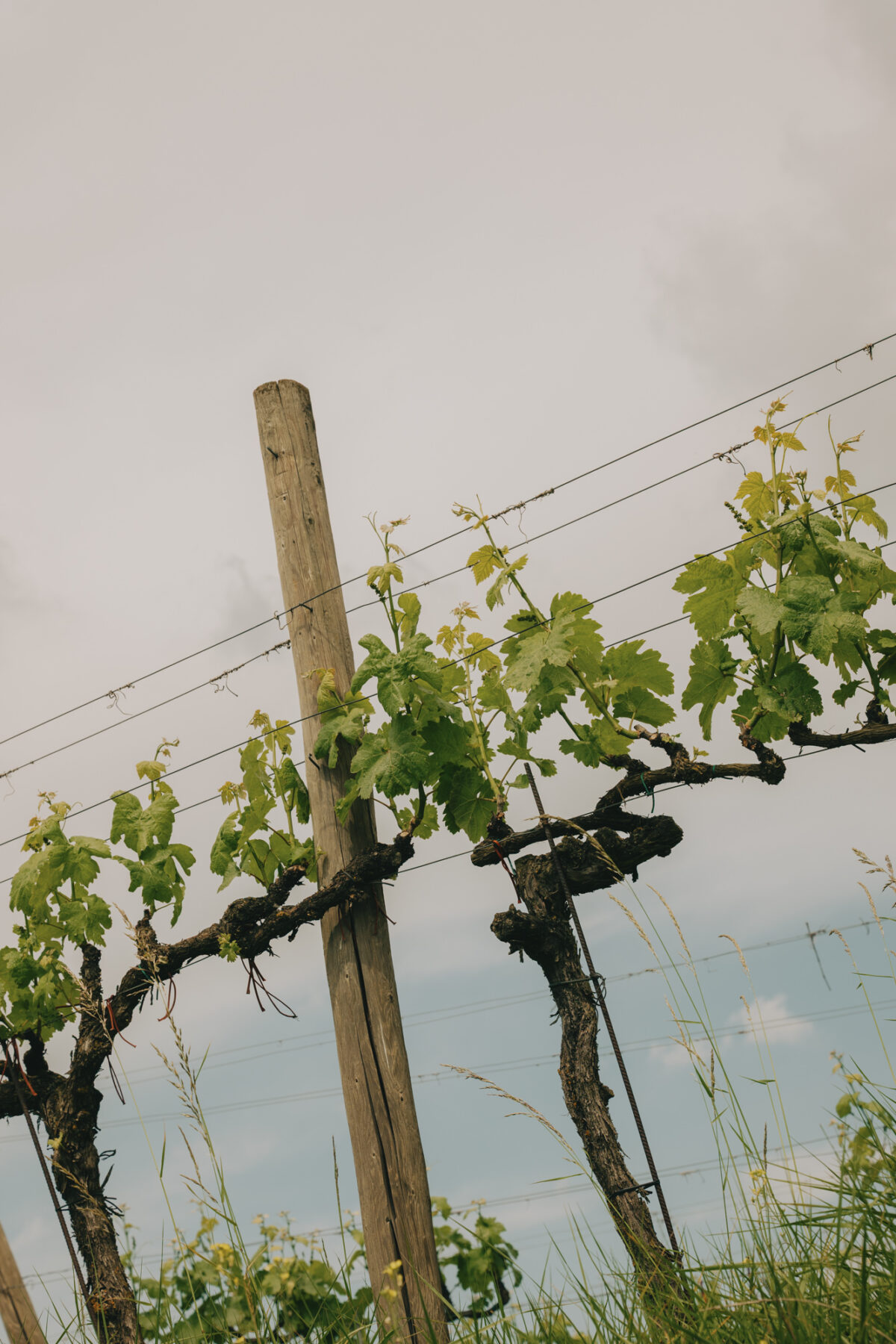
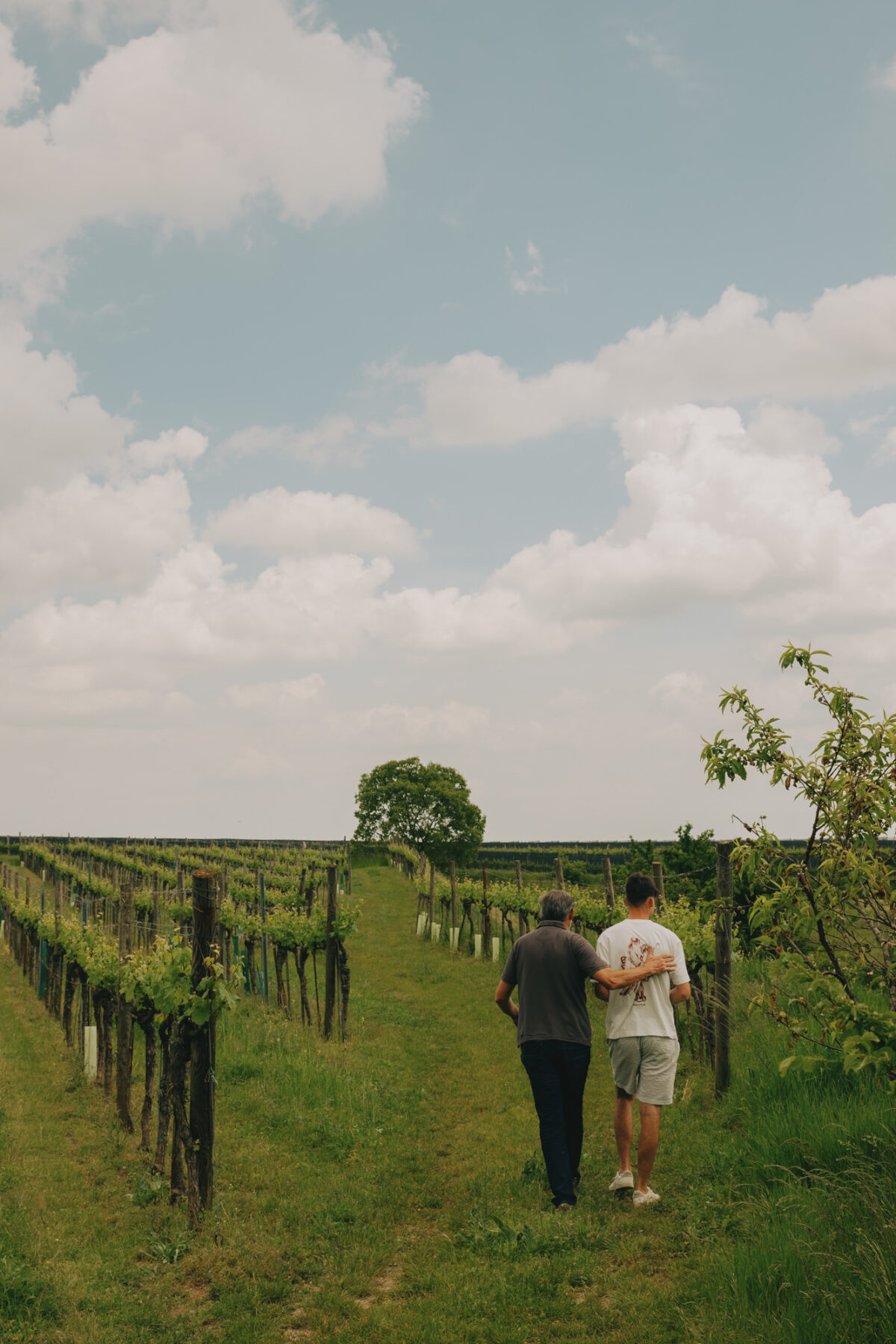
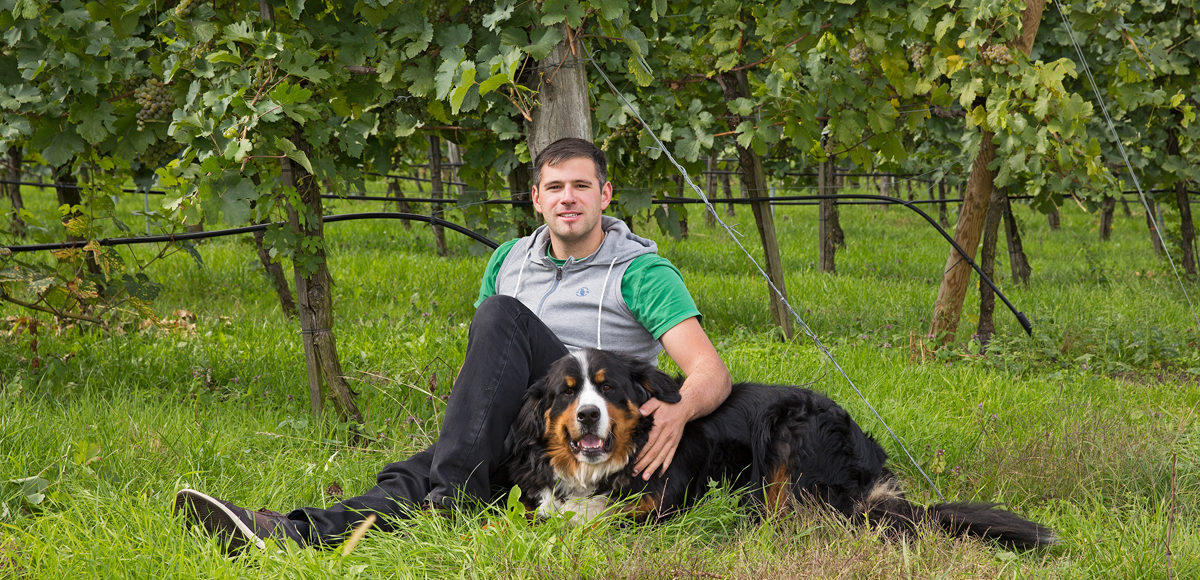
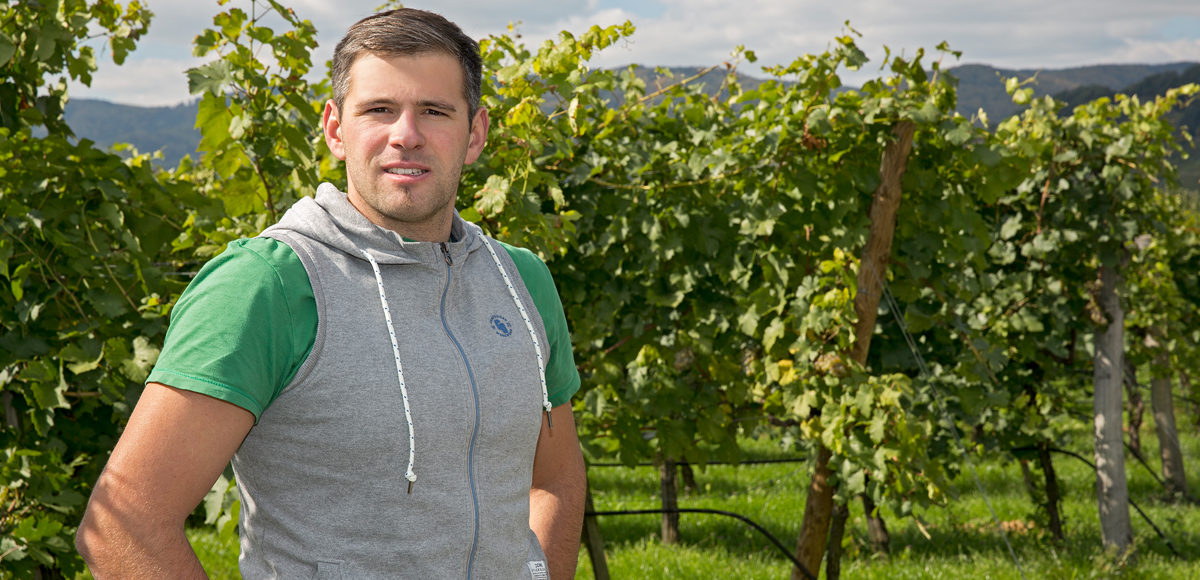
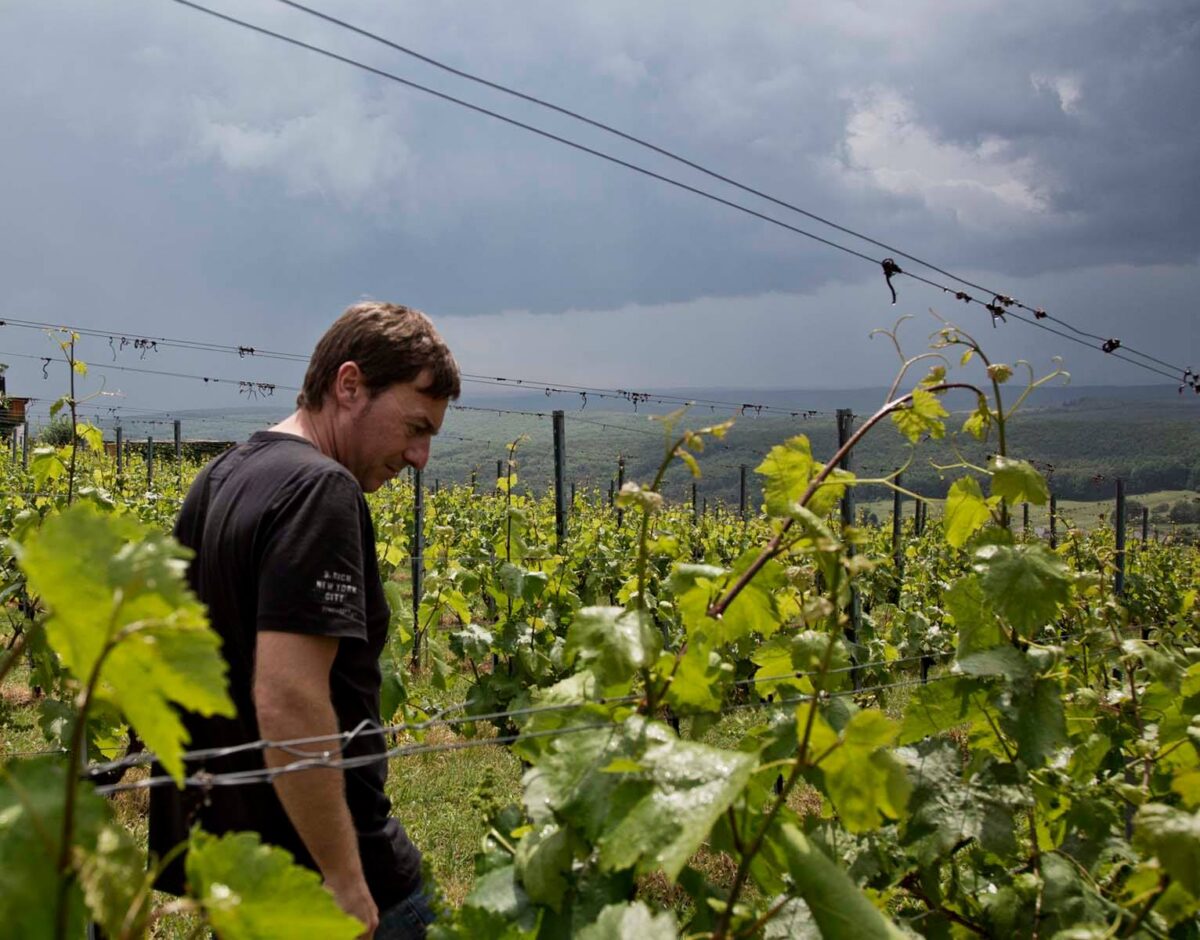
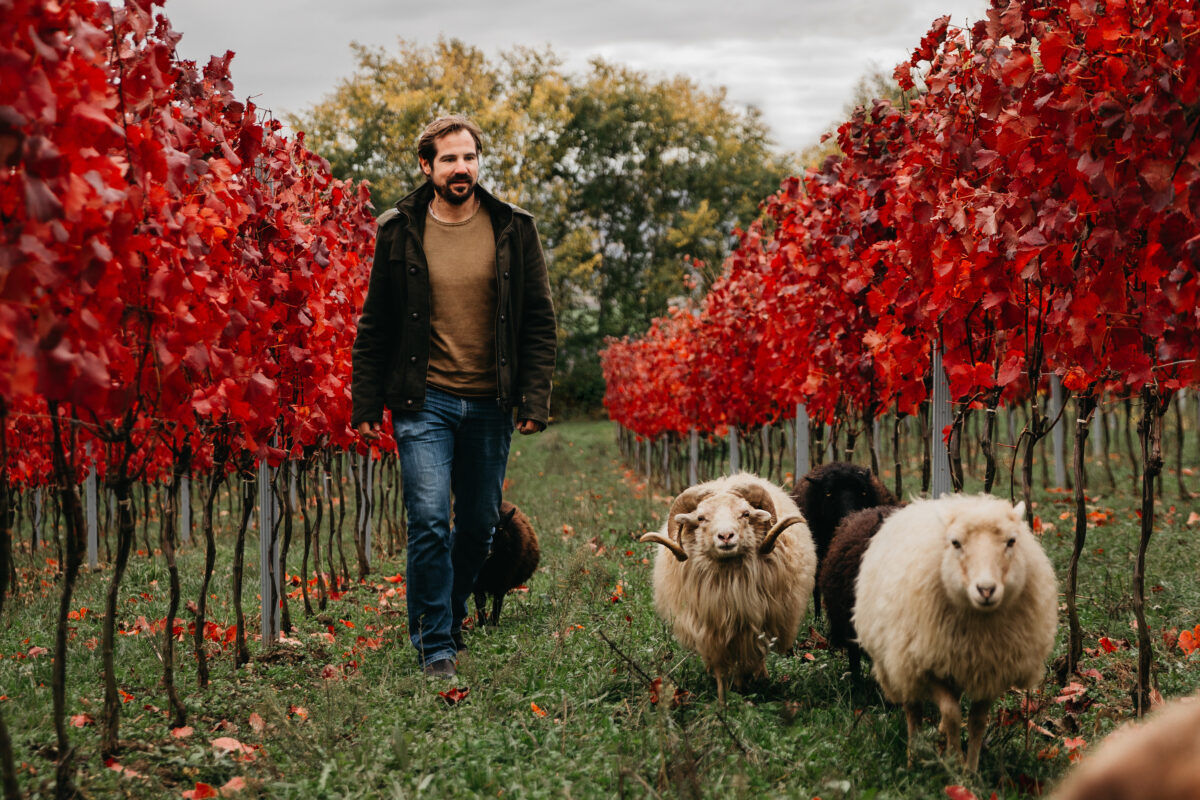
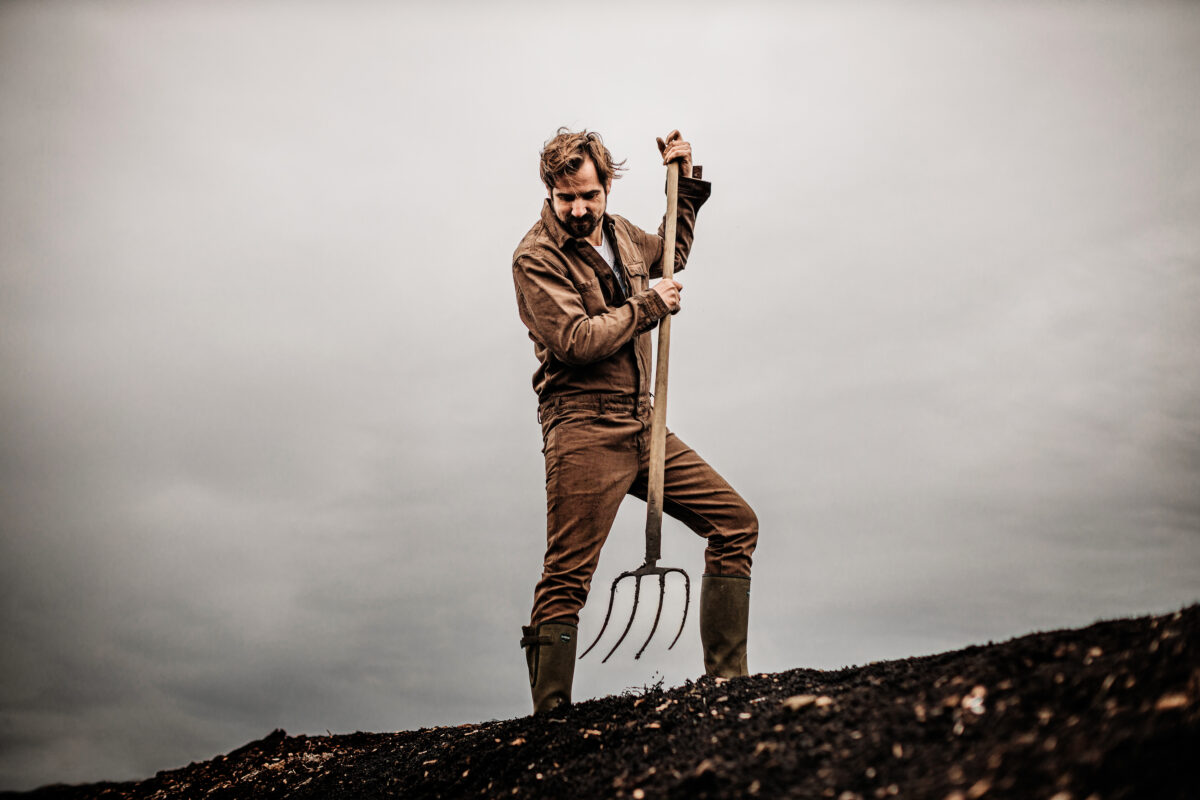
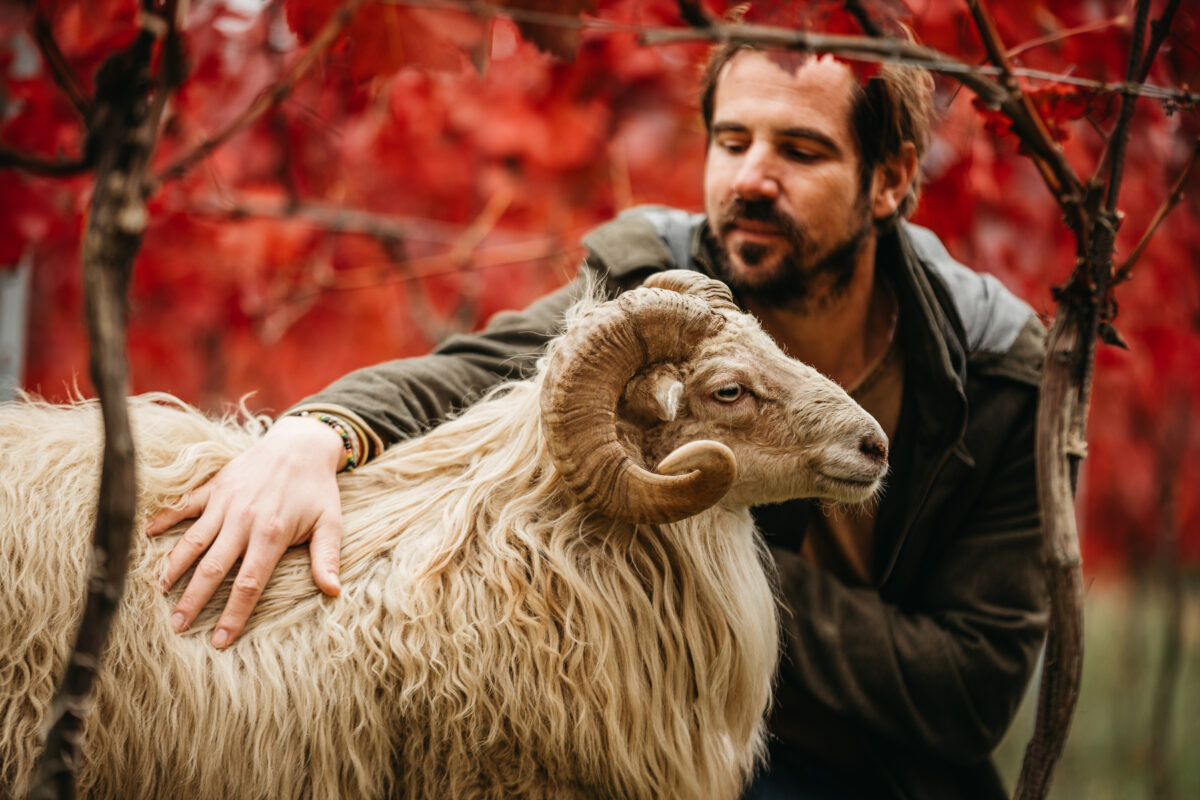
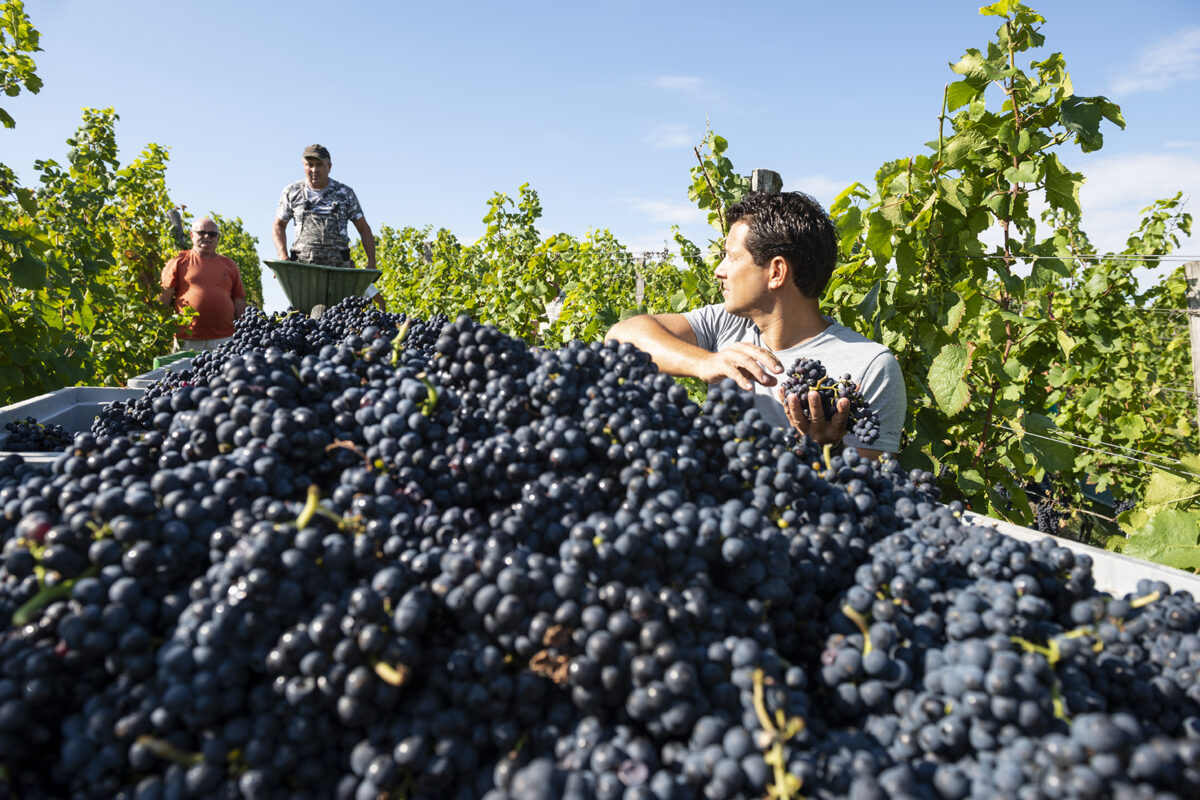
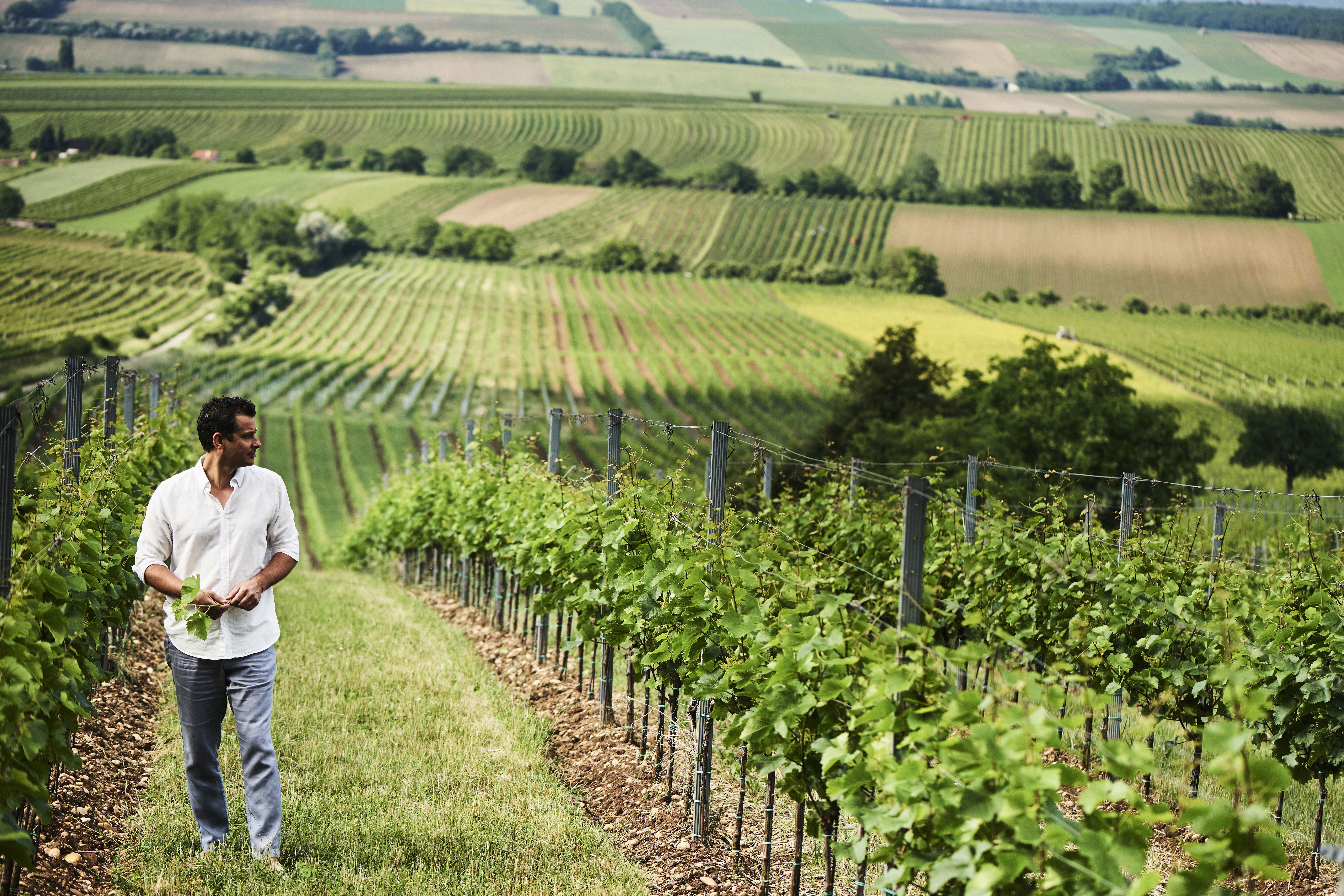
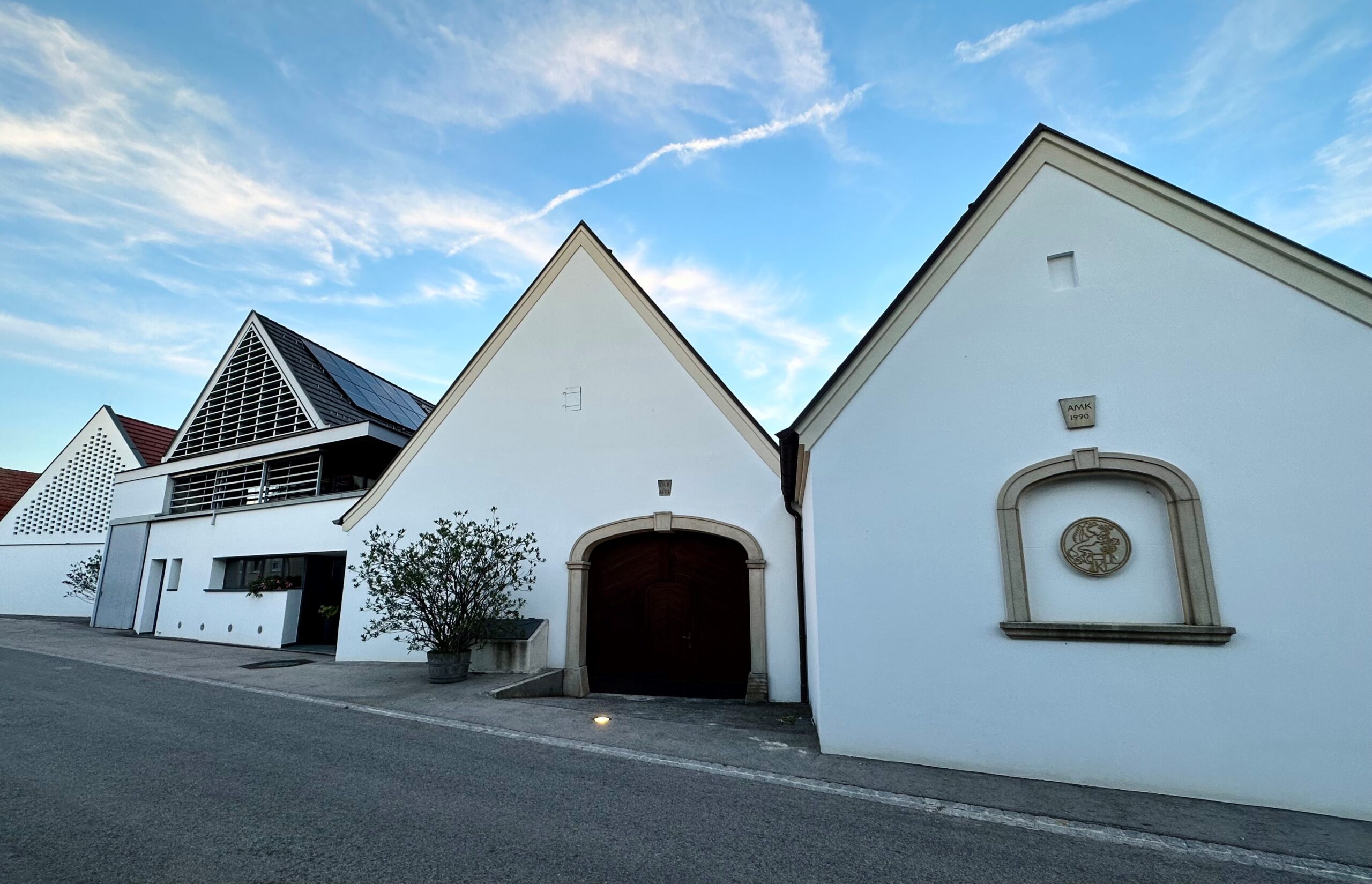
Like his father before him, Karl Fritsch understands that quality comes first and foremost from the vineyards themselves. Karl Fritsch Sr. established the winery in Wagram, then known as Donauland, and had long been focused on improving the quality of his grapes – he had been minimizing yields to do so in the 1970’s when quantity was the name of the game. In the wake of the diethylene glycol scandal of 1985, Fritsch Sr. was among the first to formalize a quality movement in the region in 1989. It’s then no surprise that when Karl Fritsch Jr. took over 1999, he began to push the boundaries in the vineyard. Biodynamics were implemented as the heart of the estate’s viticulture by 2006. Not only did he improve the quality of his own winegrowing, but he was also a founding member of Respekt – Austria’s premiere biodynamic winegrowers association.
Weinberghof Fritsch primarily focuses on an excellent array of Grüner Veltliner from top sites, as well as vibrant Pinot Noir, and of course the region’s ubiquitous Roter Veltliner.
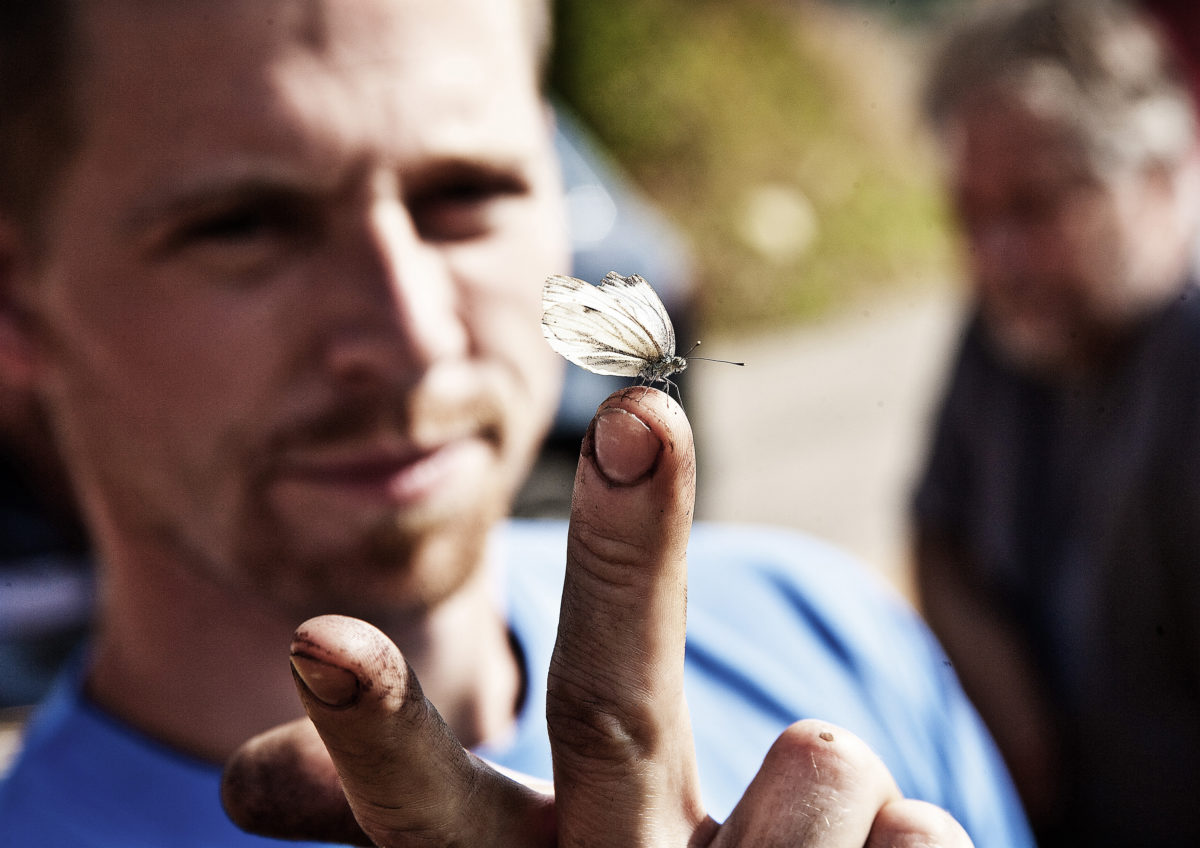
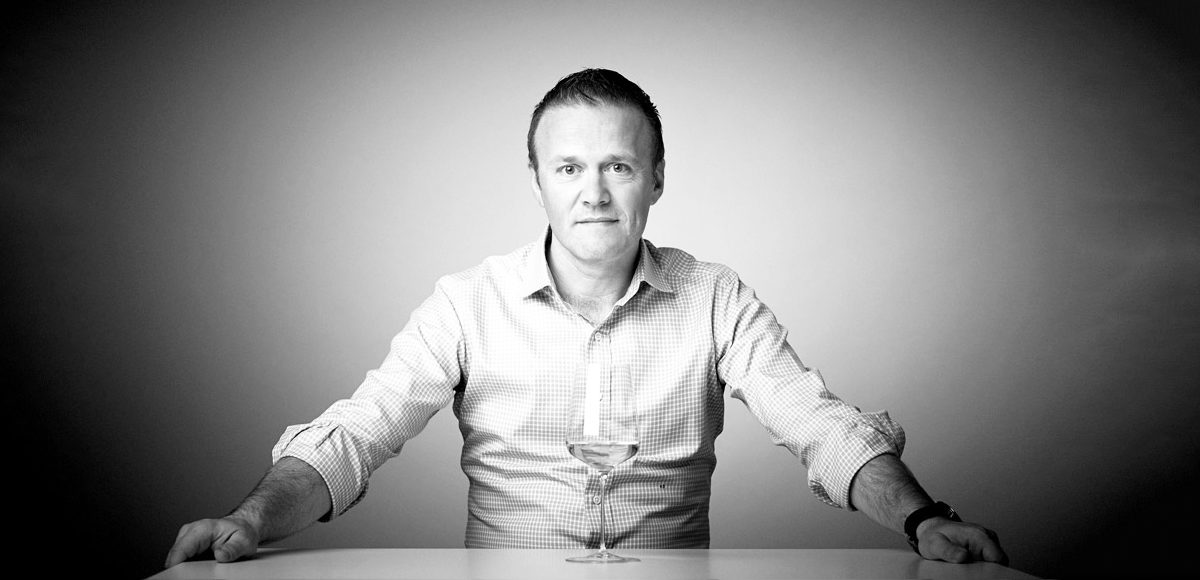
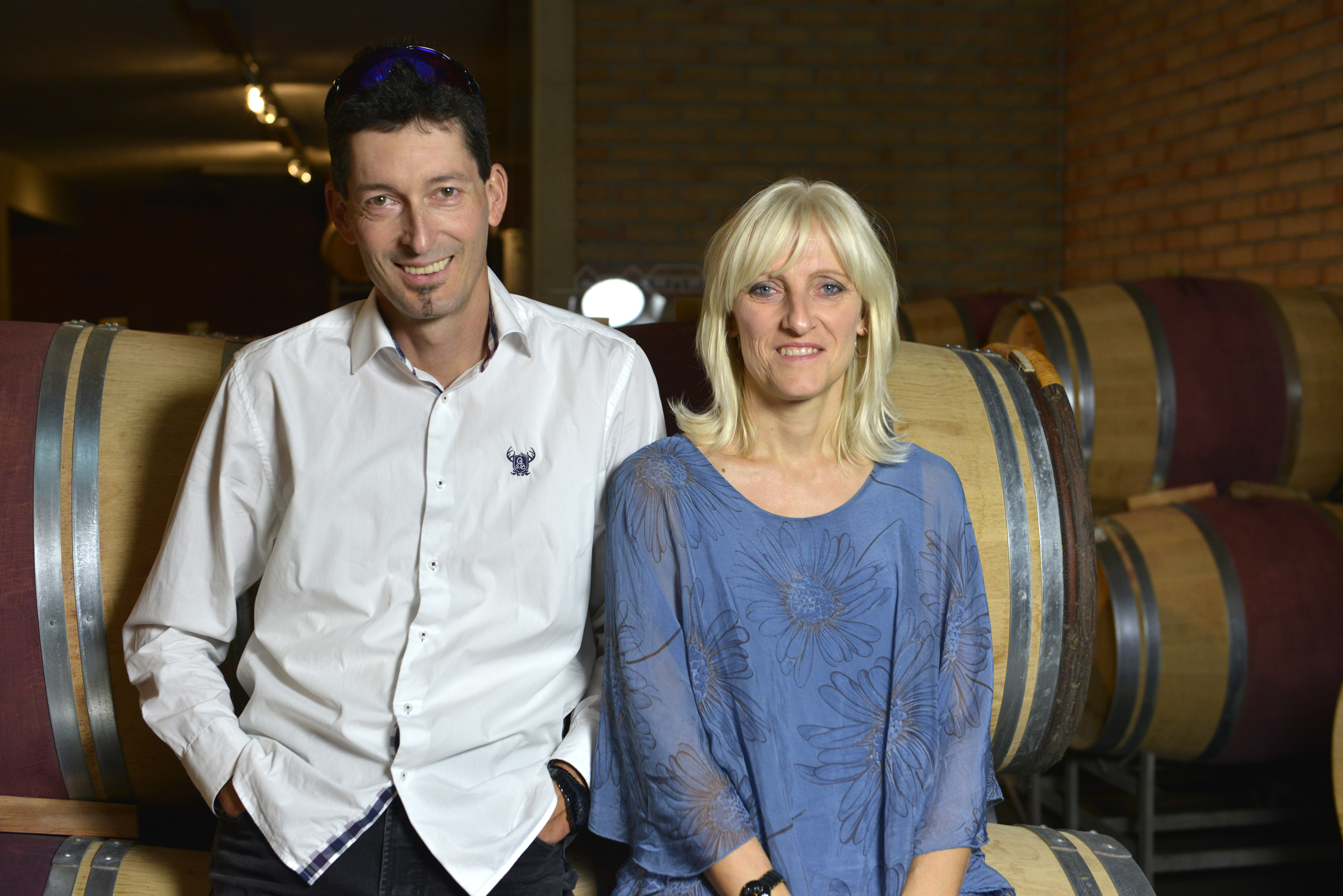
Karl Fritsch
Karl Fritsch knew early on that his focus would keep him in the vineyards. After graduating from the Krems School of Viniculture he became the winemaker at his family estate. As a technically trained winemaker, it may have been viewed as odd that he became such a proponent of Biodynamics in an era when the idea was still viewed as outlandish. But having grown up watching his father spend so much time in the vineyards, it’s no surprise that he’s adopted a practice that only enhances nature’s rhythms and the vine’s vibrancy.
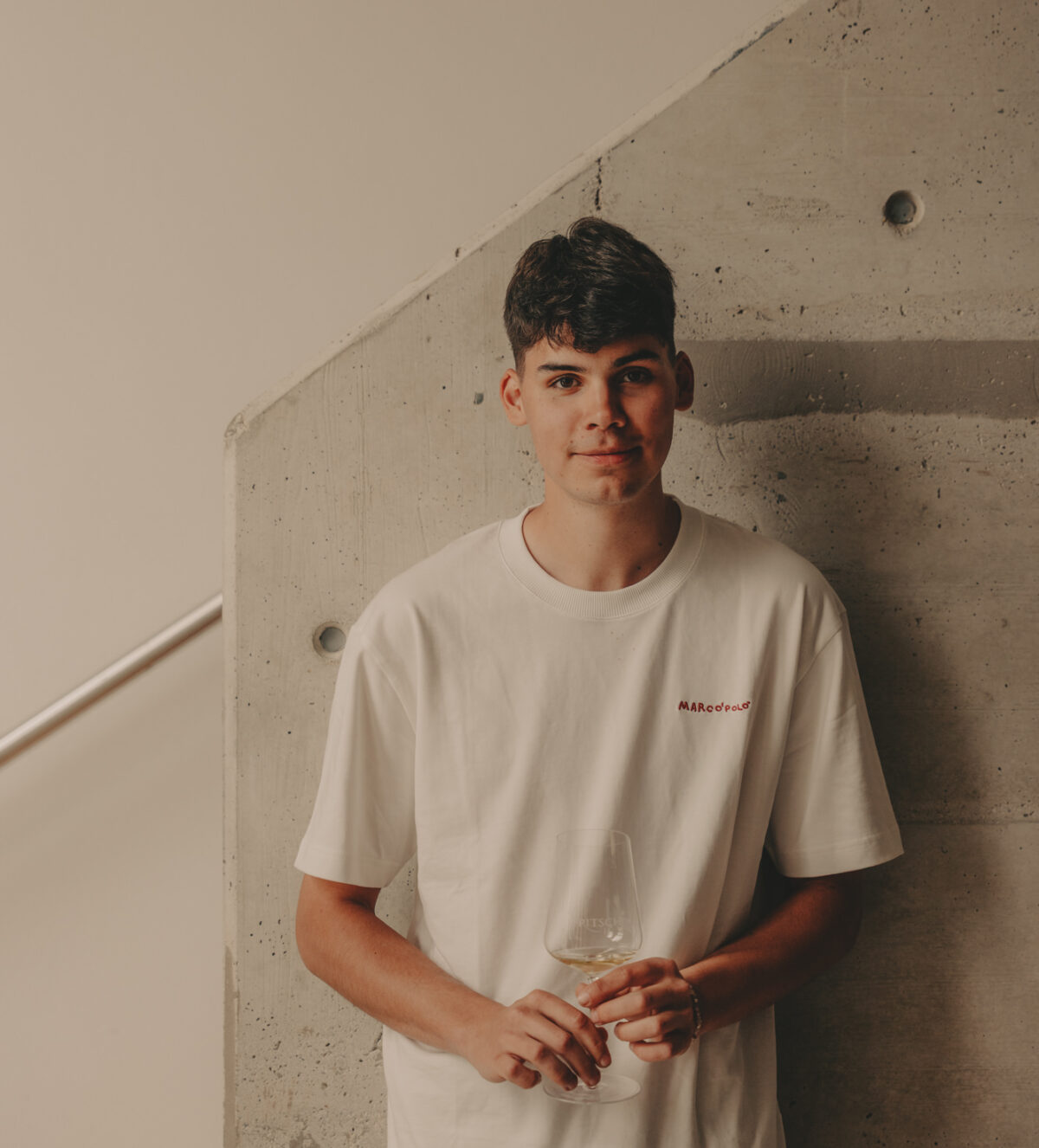
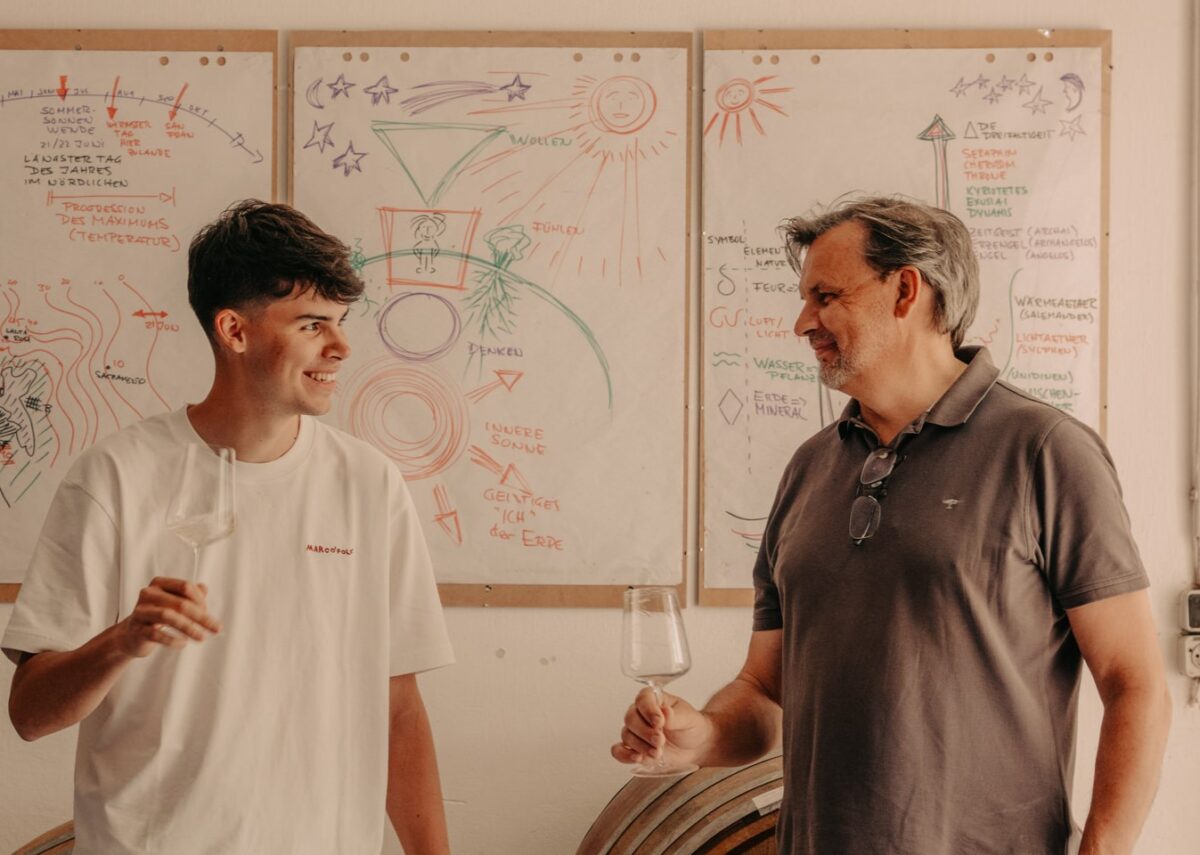
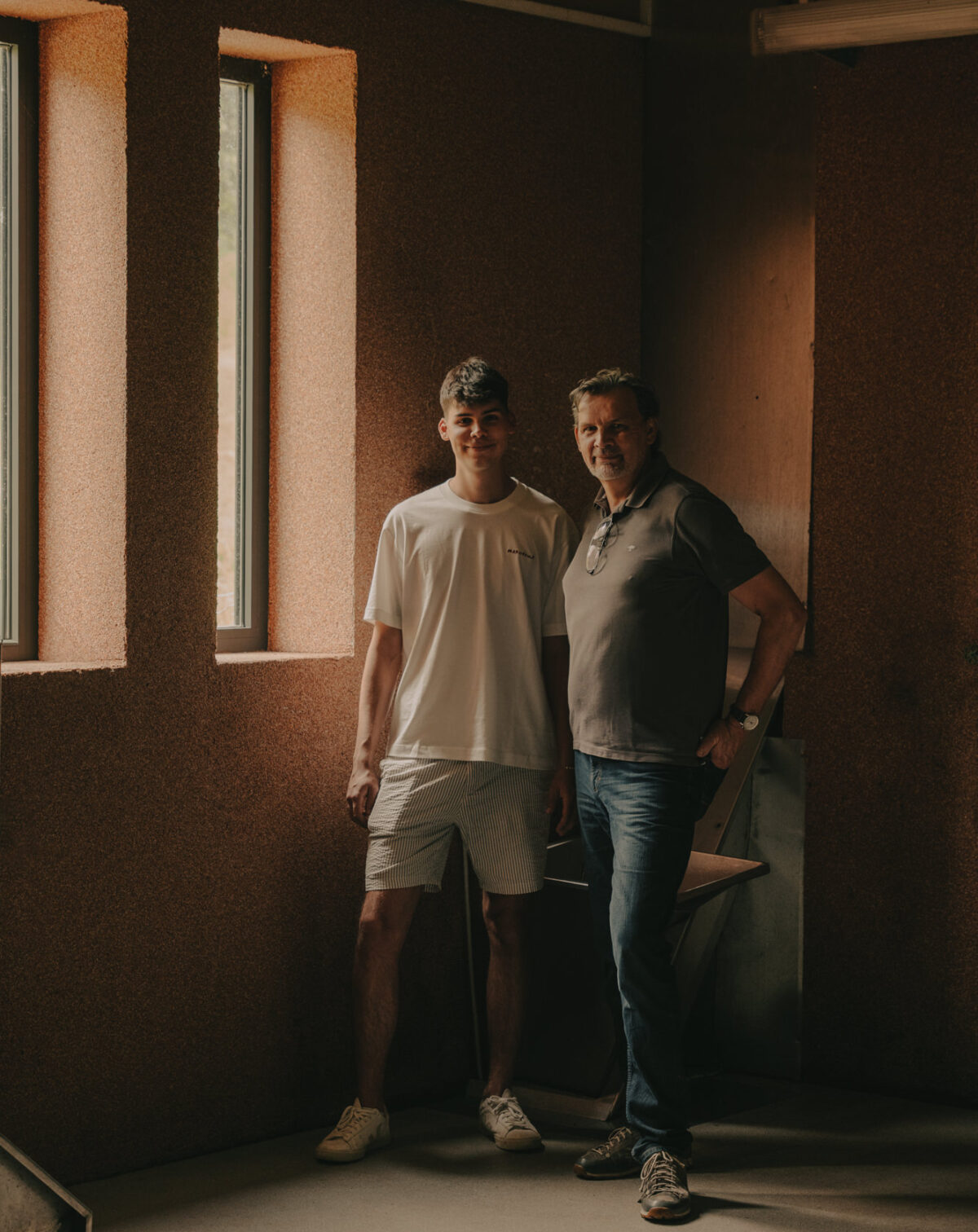
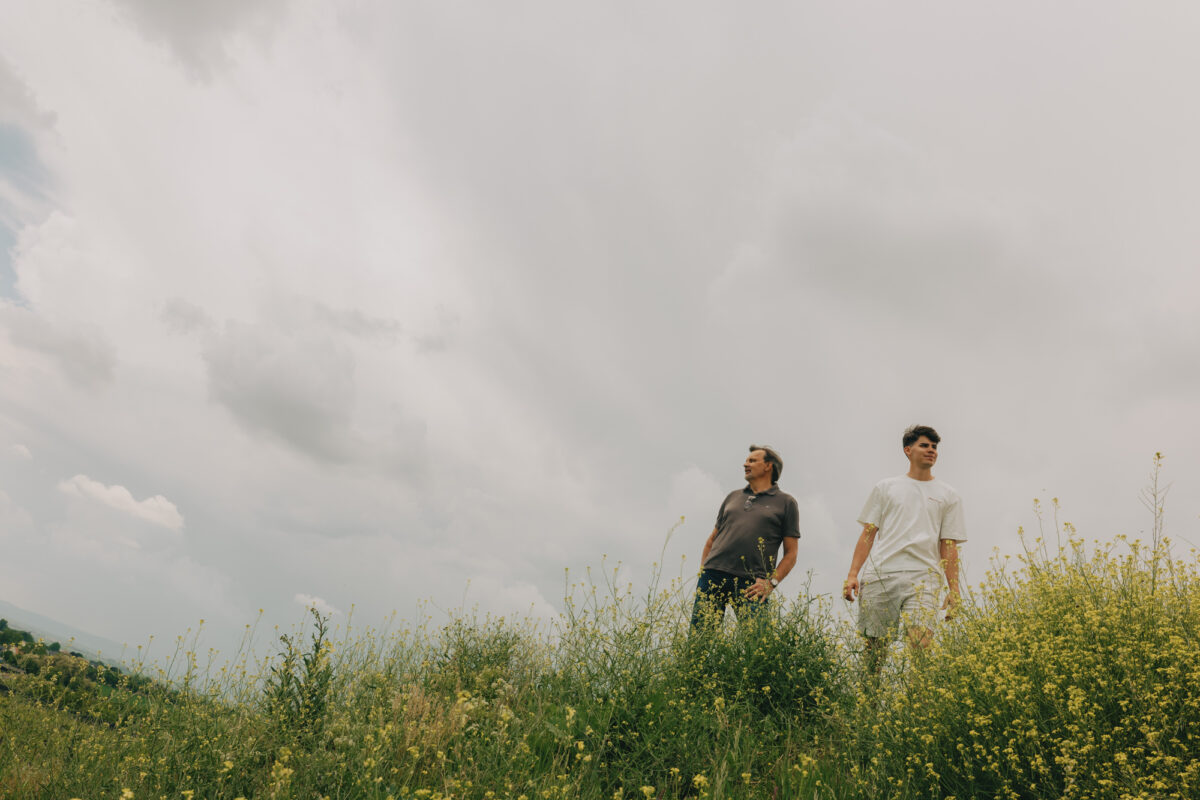
His approach to winemaking and biodynamic farming are centered on the idea of stewardship and maintaining the land and vineyards for future generations. In 2025, his son Alex has started to officially get involved at the winery.
Wagram
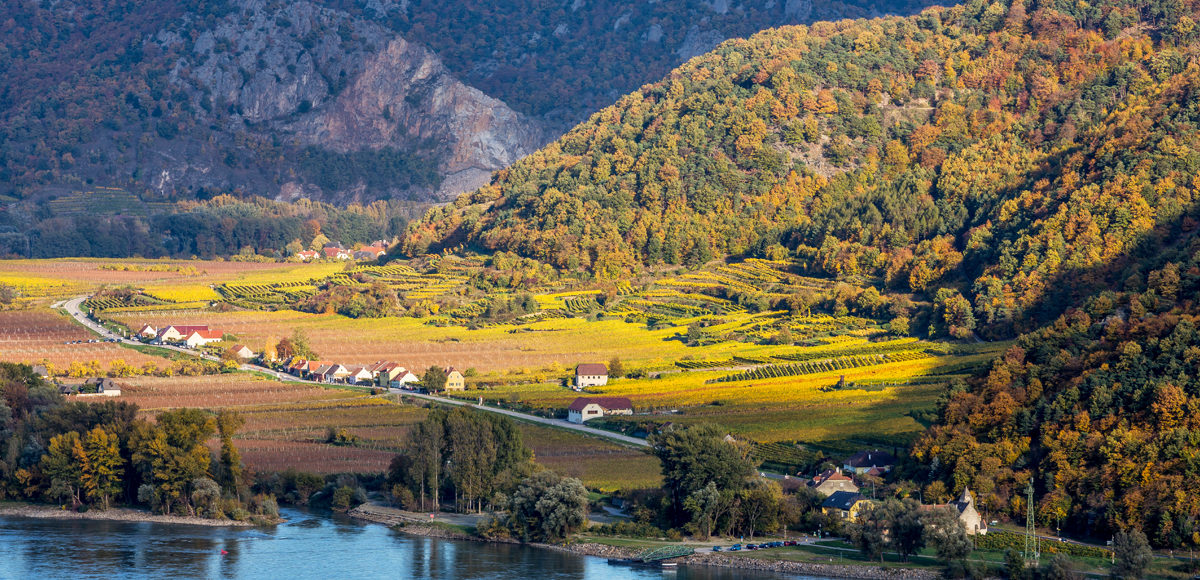
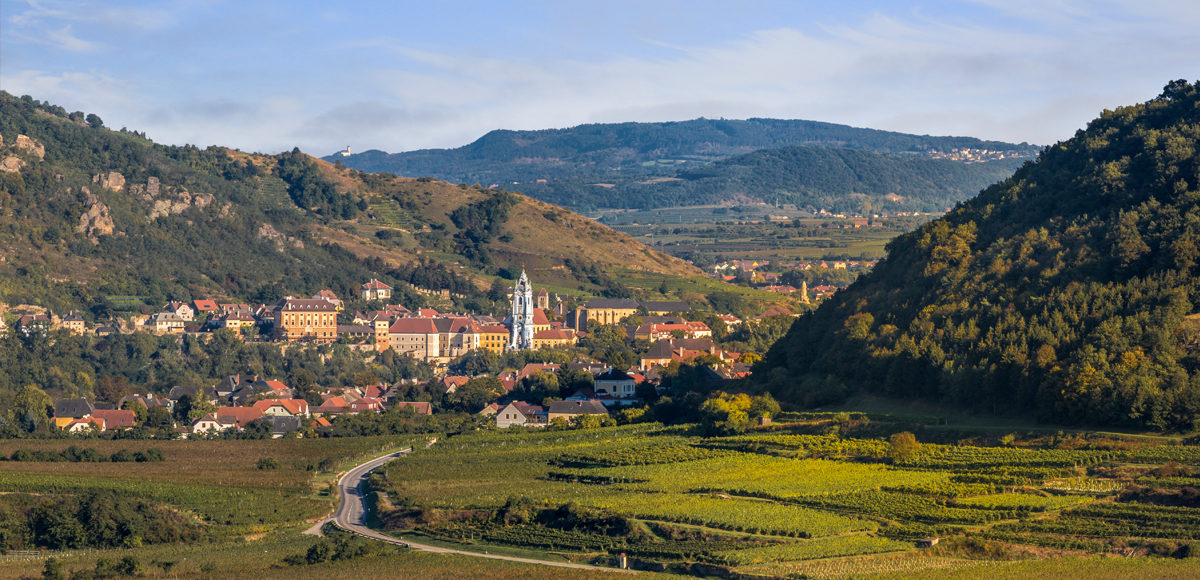
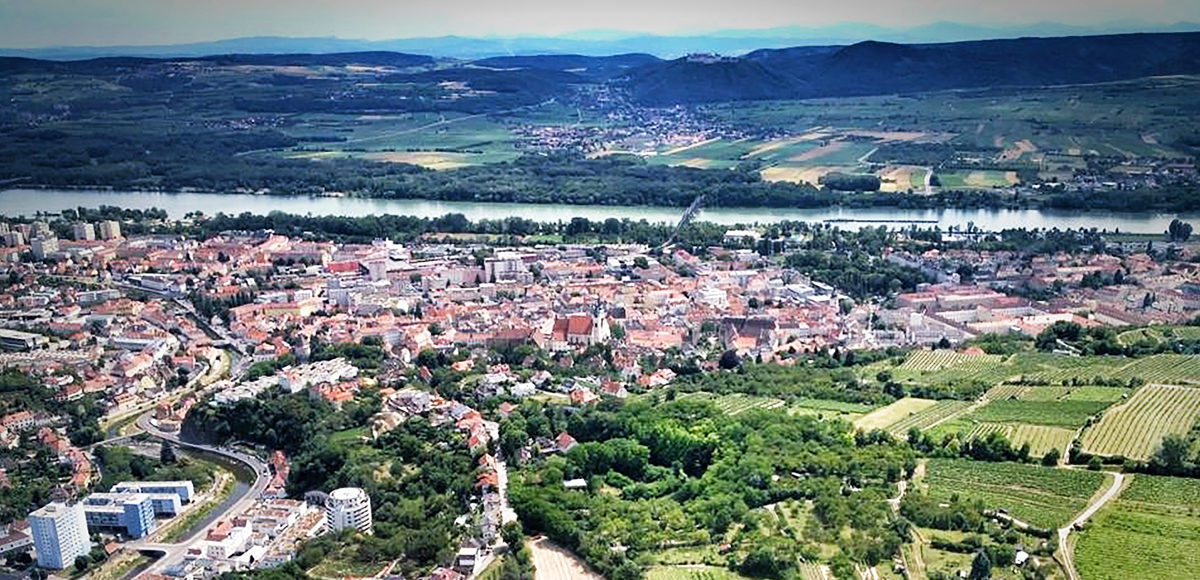
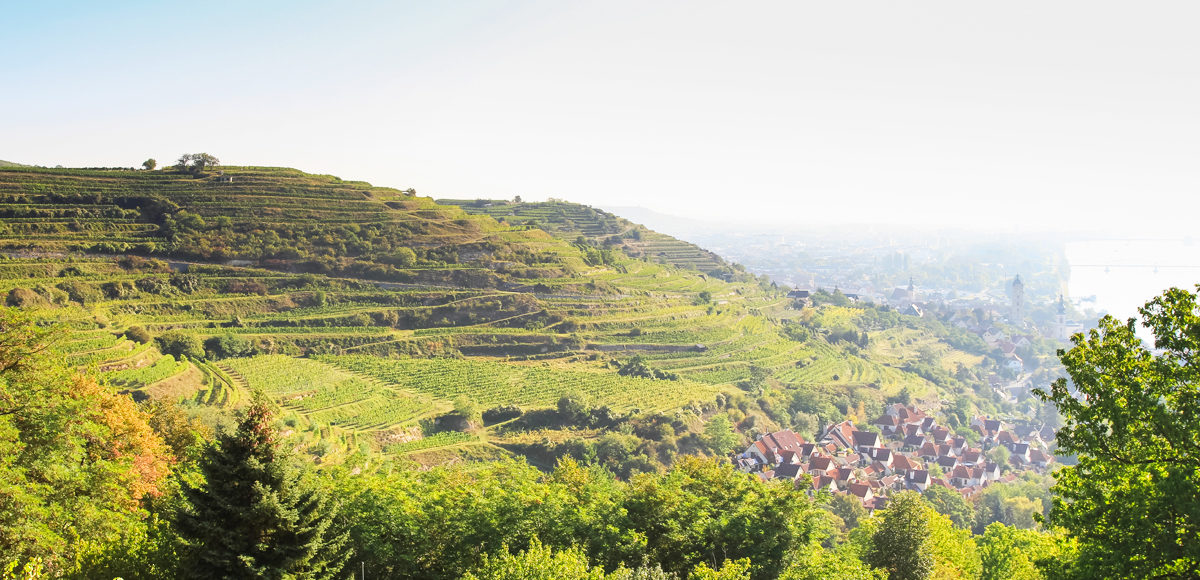
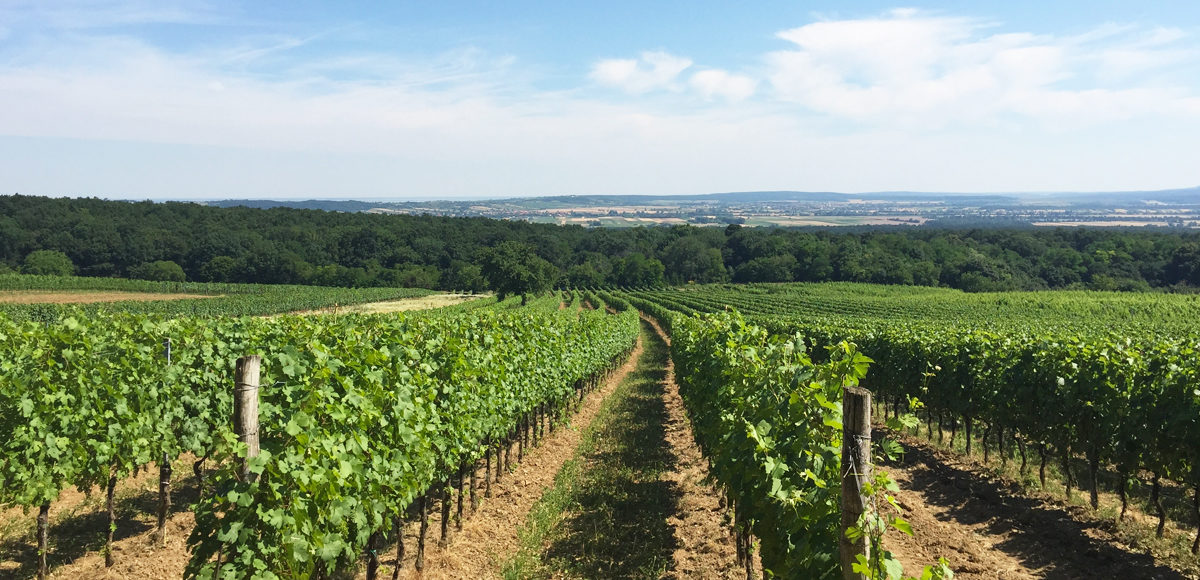
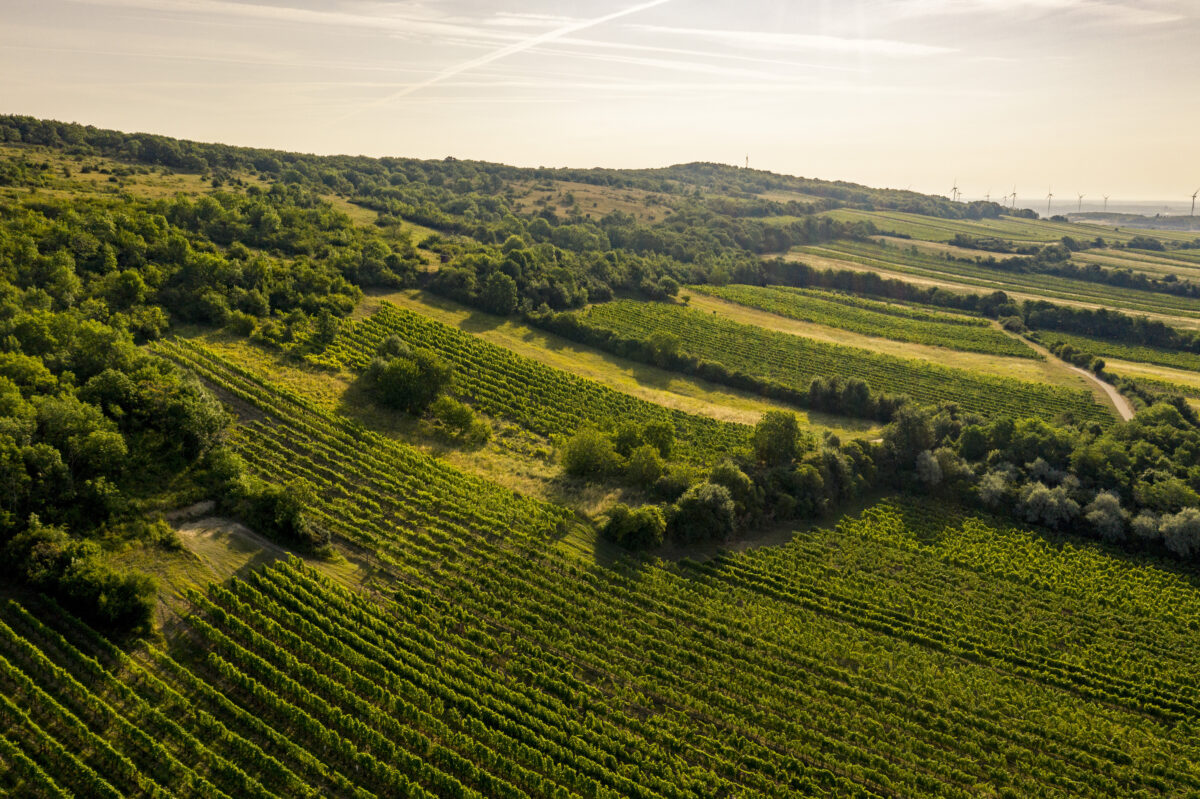
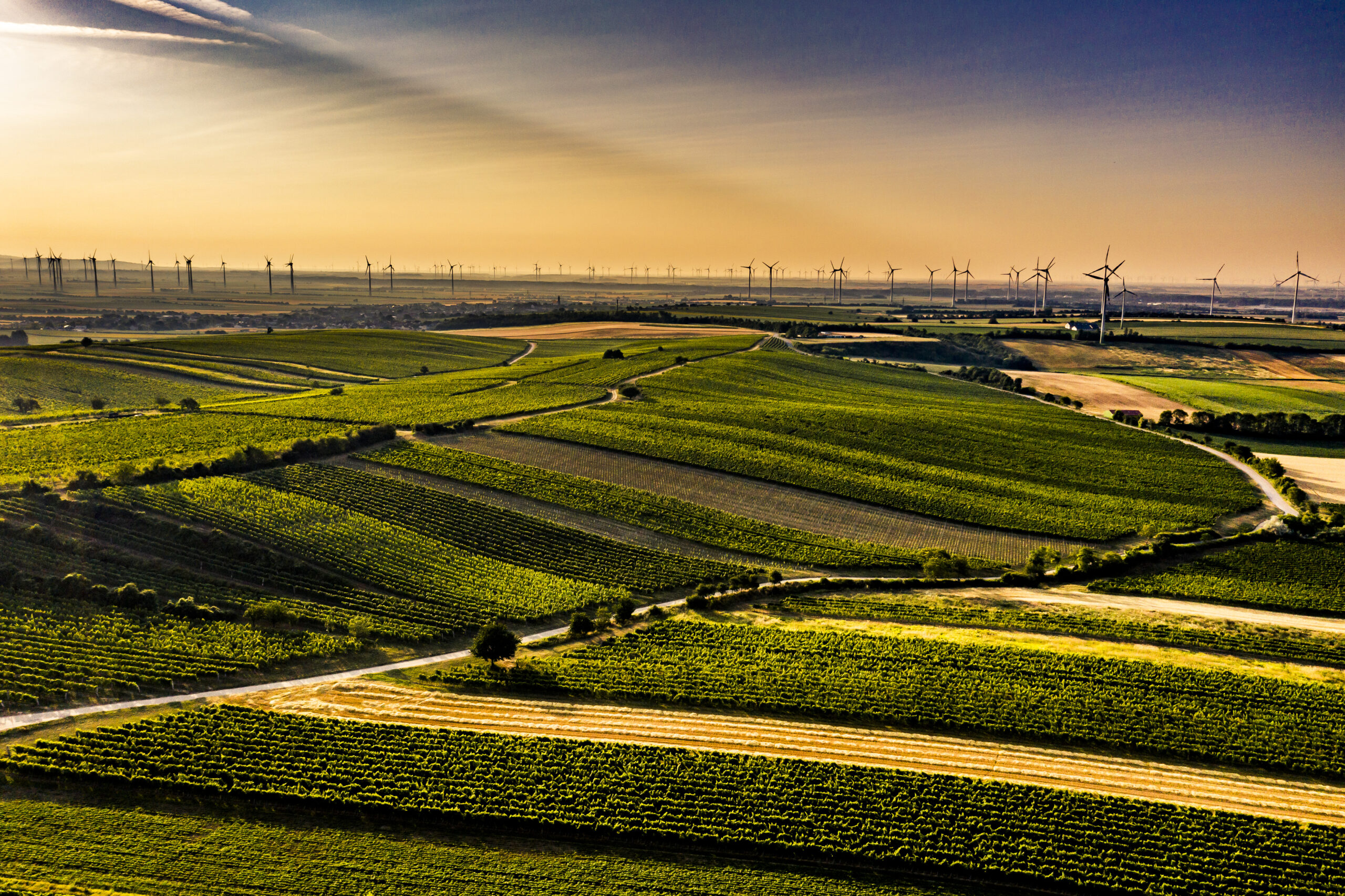
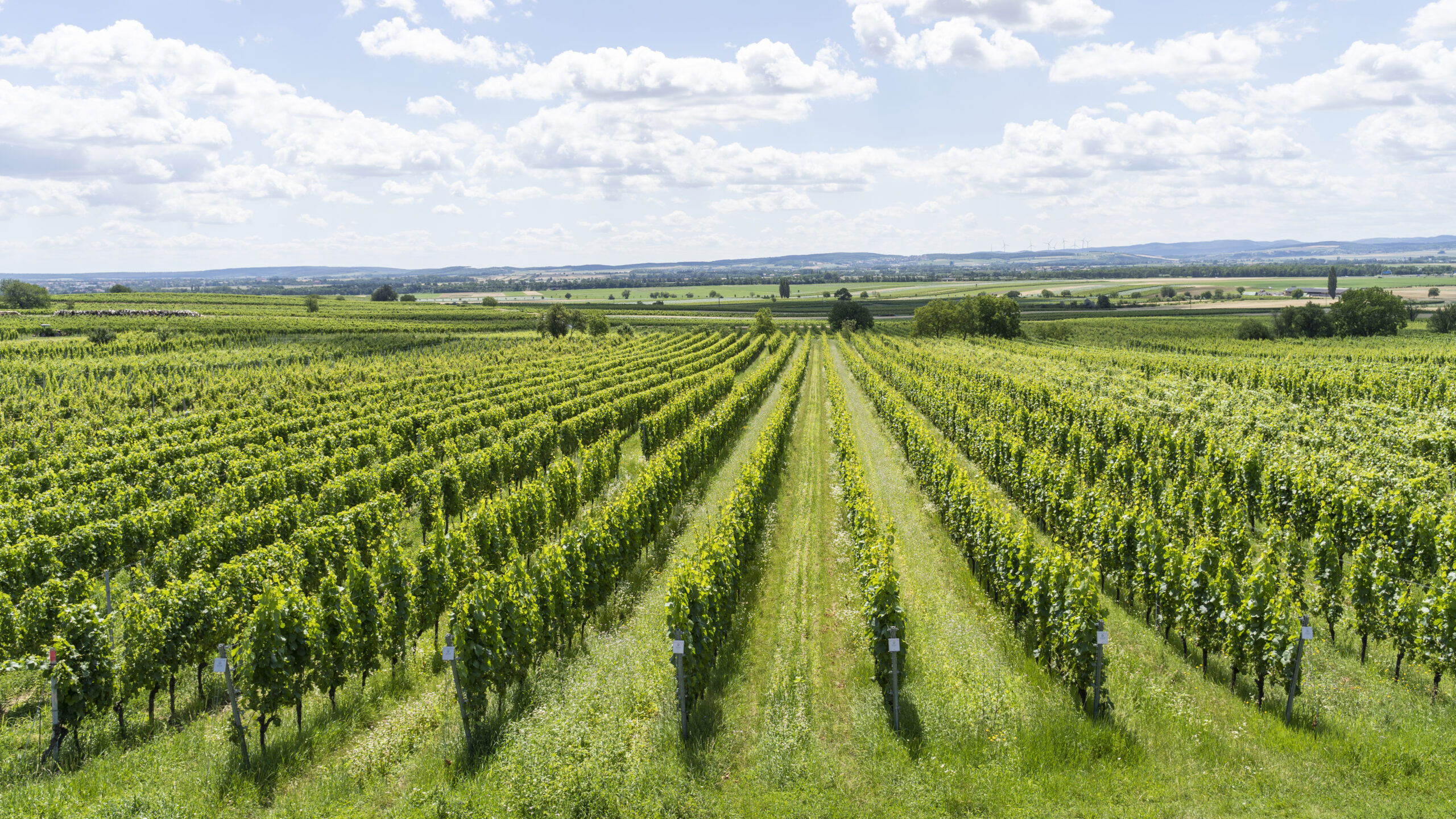
Wagram, known as Donauland until 2007, lies just east of Kamptal and is bisected by the Danube River. The northern portion is defined by the Wagram plateau itself – a 30 kilometer mountain range that stretches eastwards. At 40 meters high, this plateau is the northern shoreline of the ancient Paratethys Sea and consists of weathered bedrock of granite and gneiss, with deep loess in the lower slopes. In and around Oberstockall, where Fritsch is located, lie several 1er cru vineyards where the soil is generally rockier with more exposed bedrock making it a prime location for vineyards.
The southern region’s wine villages center further east around the rolling hills of the Tulin Basin and Klosterneuburg. This portion of the region that lies south of the Danube is more fertile and is more influenced by the heat of the Pannonian plain. At the eastern end of the region is Klosterneurburg, the university in the eponymous town where the historical heart of Austria’s institutional knowledge of wine is based. The The Höhere Bundeslehranstalt für Wein- and Obstbau in Klosterneuburg (Federal College for Viticulture, Oenology and Fruit Growing) is the oldest viticultural college in the world today.
As of the 2021 vintage, Wagram gained DAC status for white and red wines.
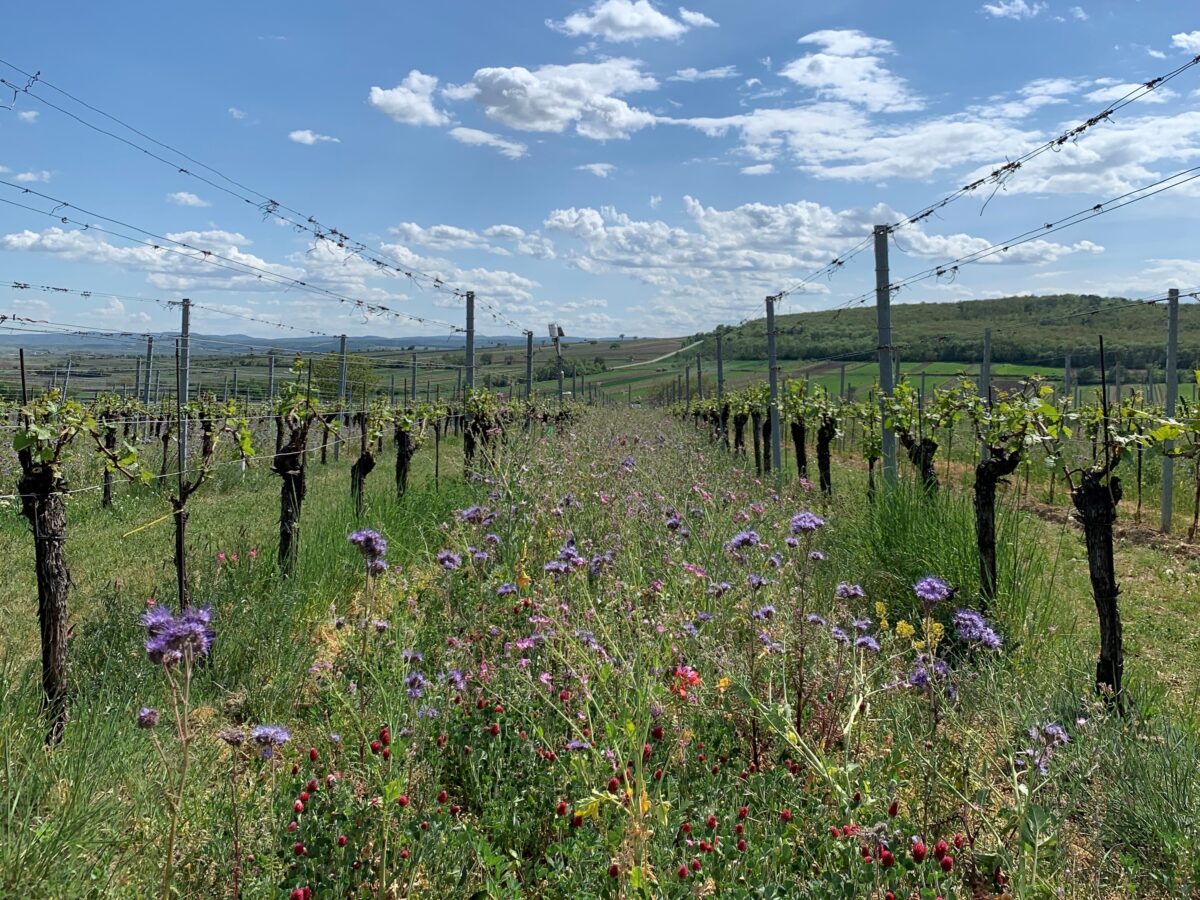
Biodynamics and Farming
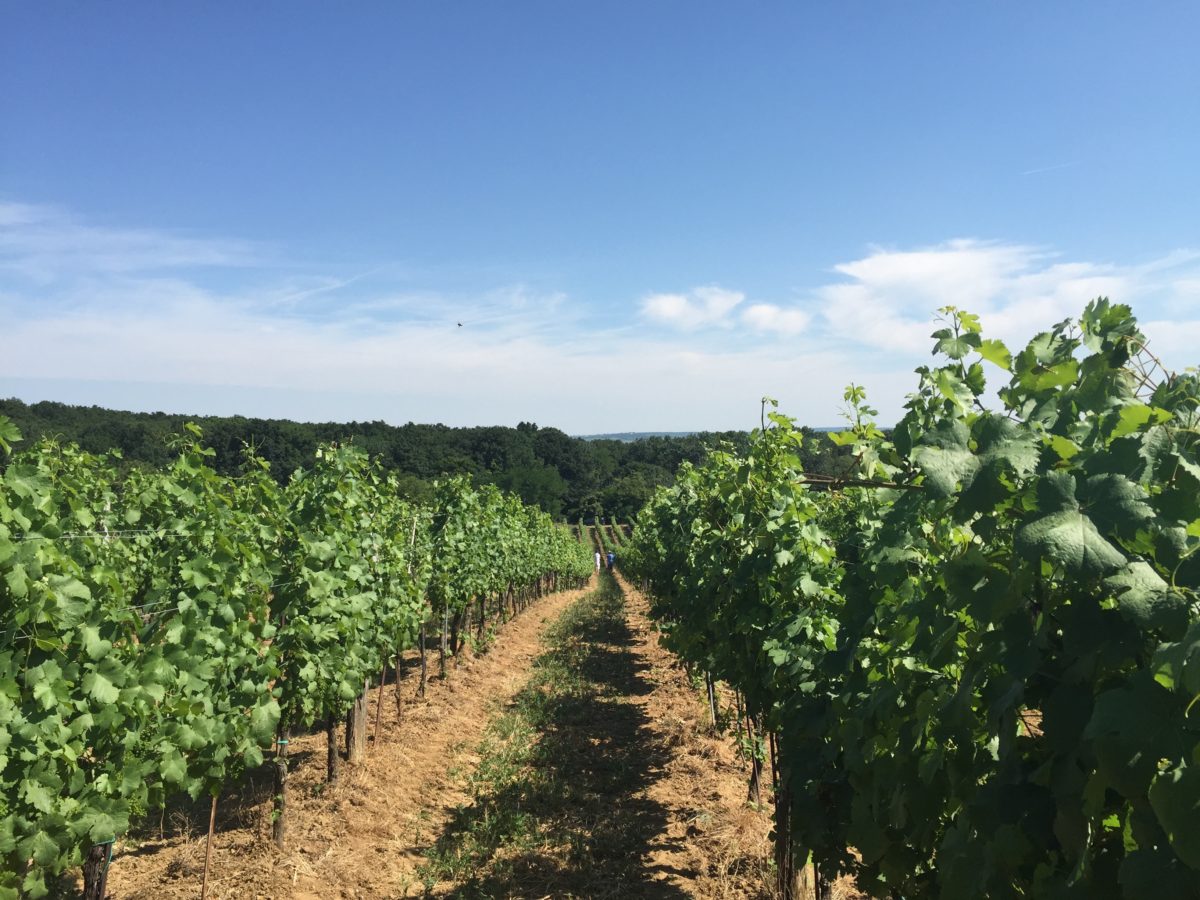
Karl Fritsch was able to take the quality farming that the estate was founded upon and build on it. After taking over in 1999, he soon began to implement biodynamic practices. It was clear that quality wine came from the vineyards themselves could only be enhanced by nurturing the vines to be vibrant and healthy – which the biodynamic process especially seemed to encourage.
In 2005 Karl and 12 of his colleagues began to collaborate and discuss biodynamics throughout Austria based on their ambition to grow quality wine. In 2007 their shared attitude drove them to become an official growers’ association – respekt. In 2009 they grew to 14. In 2015 they changed the association name to “respekt-Biodyn” to further clarify their aspirations. The association continues to grow bit by bit as growers throughout Europe continue to push their vineyards in ways that help guide quality and long-term vision of the future. As of 2025, there are 37 members from 4 countries (including our own Karl Haidle as of the 2025 vintage). Respekt-Biodyn encourages soil health, biodiversity, native yeasts, and minimal influence in the cellar while encouraging wineries to maintain their individual style.
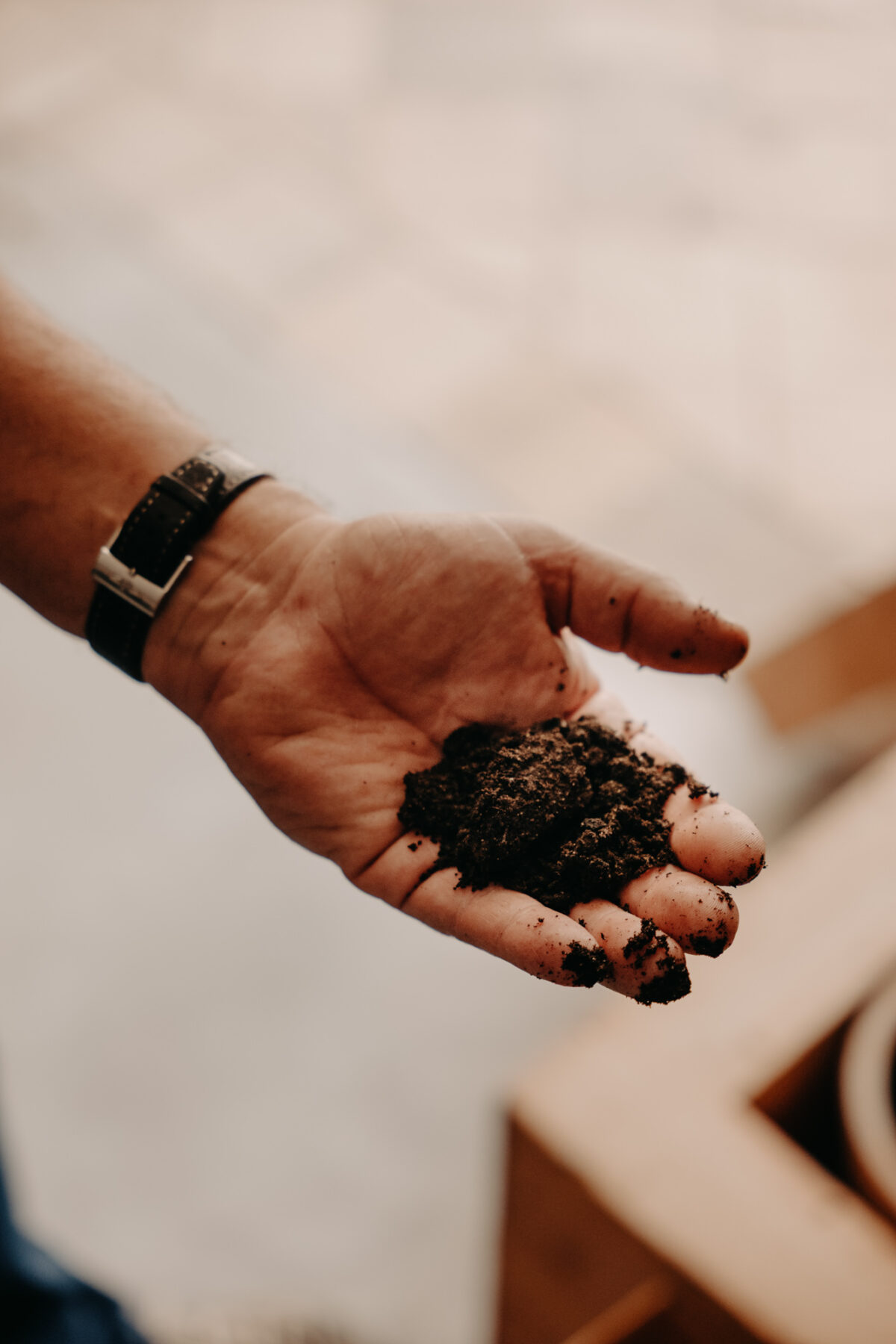
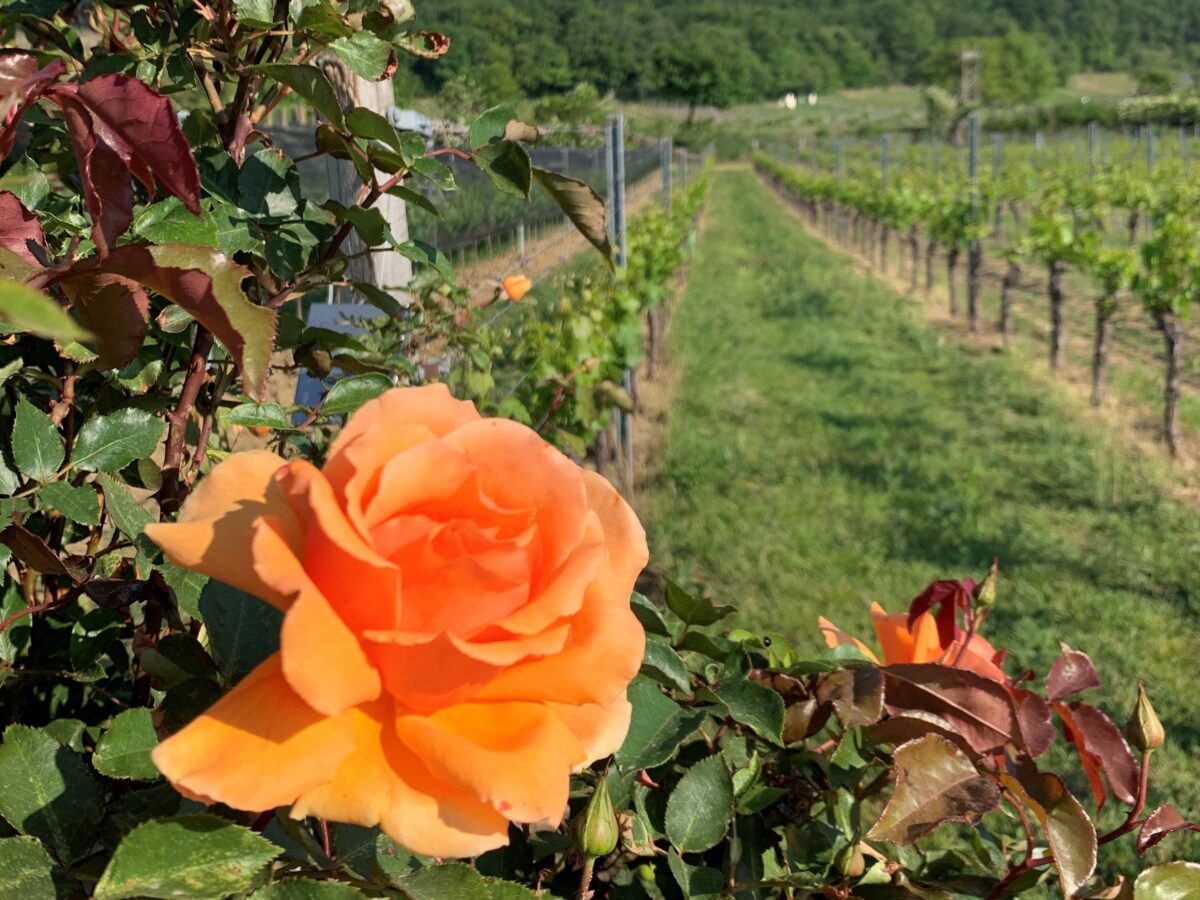
Fritch’s takes a holistic philosophy to biodynamics in which the vine and grower are symbiotic. Site, soil, climate, and how the vine is cultivated influence everything, and it’s the vintner who is to nurture the process through careful attention with natural treatments such as teas, to create positive influence on the vines’ periods of rest, growth, and gestation. The lunar phases guide action in the vineyard with respect to the soil’s composition and microorganisms and vitality. The effect on terroir is to create healthy soils and healthy vines, and therefore healthy grapes and high-quality wine.
Work in the vineyards and the cellar is conscientious, minimal and purposeful. The goal is to create wines that are alive and unique. Wines that reflect their terroir and the characteristics of the vintage. “We only want to achieve when working in accord with the surrounding nature in its entirety; animal, plant, terrestrial and cosmic. Therefore, we rely on a respectful relationship with the environment and all its living organisms.”
The Vineyards and Wines
The focus at Fritsch is Grüner Veltliner primarily in the 1er crus of Schlossberg and Steinberg. Fritsch also makes excellent Riesling and Pinot Noir, and of course the region’s idiosyncratic Roter Veltliner.
Ried Schlossberg is in Oberstockall itself and is a sun-drenched southwest-facing vineyard of pure loess, (a chalky loam) at around 240 meters. These are full-bodied Grüner Veltliners that are well balanced, textured, and deliver the characteristic spice of the variety.
Ried Steinberg is a steeper site to the east of Ruppersthal at about 280 meters and consists of slate and granite. Grüner Veltliners from this site are crisp with mineral tones and bright fruit. The Pinot Noir is also from Ruppersthal.
Roter Veltliner is an indigenous variety to Austria. There is no relation to Grüner Veltliner and in the hands of producers like Fritsch, it is taken seriously. With more restrictive yields the variety produces a delightful wine of intense aromatics, concentration, and high extract. Wagram is its home.
“I wanted to be a winemaker since ever. The first time I wrote it down was in elementary school.” — Georg Frischengruber
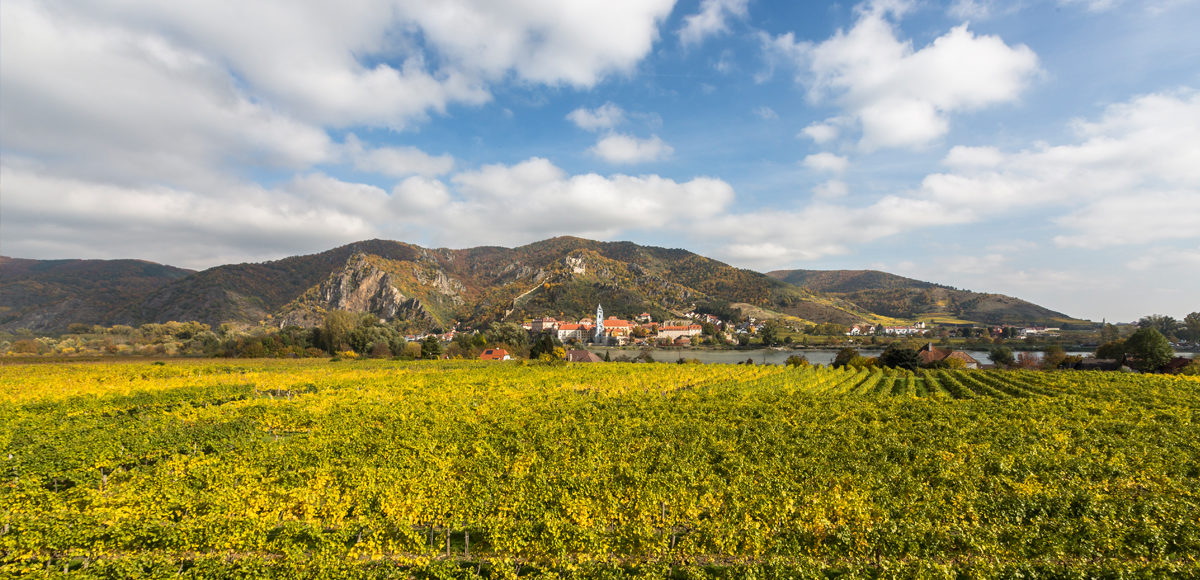
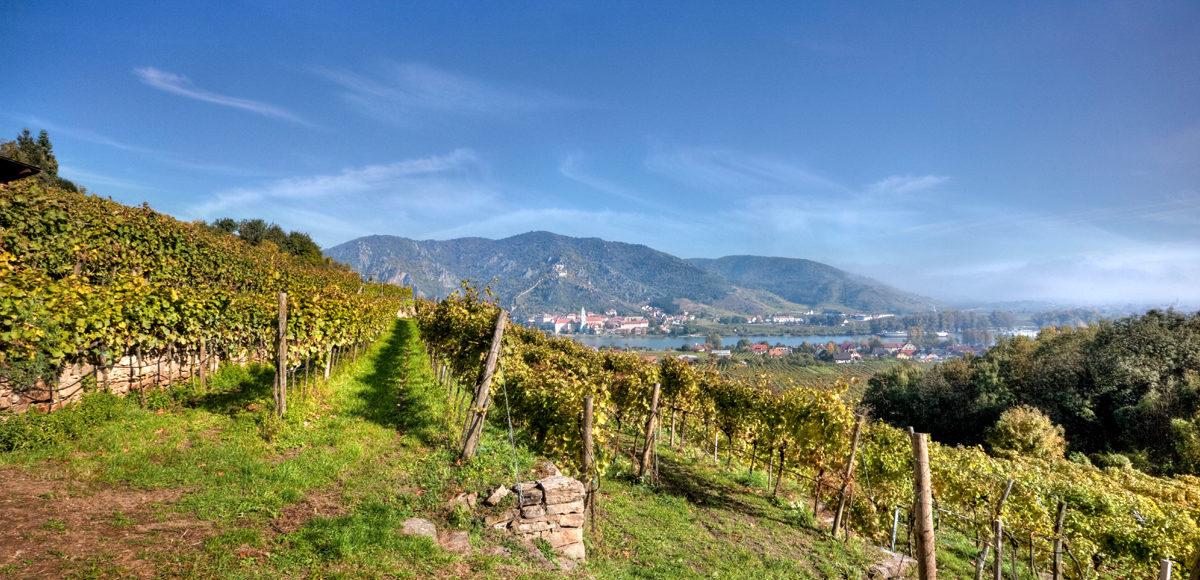
In the heart of the Wachau, on the slightly obscure south bank of the Danube, Georg Frischengruber is realizing his dream. Georg is the fifth generation of his family to steward their estate, now 10 hectares, mostly old vine grüner veltliner and a smaller quantity of riesling. Since taking over from his father, Heinz, in 2010, Georg has trained his attention on meticulous handwork in the vines, incorporating organic viticulture, and focusing on natural fermentations, gentle pressing, and extended fine lees aging in the cellar, to gain added texture, complexity, and clarity. Rossatz – directly across the Danube from Dürnstein –- is where the mighty river tapers to its narrowest span as it makes an ancient bend. Vineyards here slope gently upwards from the riverbank to meet the undulating edge of the Dunkelstein forest. The microclimate combines some of the world’s starkest diurnal shifts with a growing season that can stretch well into November. These are ideal conditions for grüner veltliner, on loess, to pick up tension and finesse, with an unmistakably piquant and vivid Wachau profile. Georg’s Smaragd veltliners reach a salty, sappy, spring-loaded ideal. Riesling, grown on Urgestein (primary rock) and in cooler sites, gains body, yet remains focused and fine-boned. Above all, the through lines at Frischengruber are purity, precision, and clarity of vineyard expression.
Tradition
While wine growing in the Wachau dates to the period of Roman settlement, the first golden age of wine was under Carolingian rule. Later, the majestic Benedictine monasteries of Melk and Göttweig housed avid viticulturists, devoted to understanding and developing varieties and methods of cultivation suited to this terroir. By the Middle Ages, Wachau wine was already known far beyond Austria’s borders. The Frischengruber estate dates to about this time – 1563 – when the land (“an old winefarm,” as Georg calls it) now owned by his family was held by Austrian aristocrats.
Georg Frischengruber
“Because of the great history of making wine in the Wachau and the long tradition of making wine in our family, it was clear I would work on the farm,” says Georg. Even at the age of eight, when asked at school what he wanted to be when he grew up, he responded presciently: “I want to be a Winzer.” He studied viticulture at Klosterneuburg, staged in South Africa, New Zealand, and the Pfalz, then returned home to Rossatz. “My father produced the wine until 2010. Then I took over and started my own way.” His way excludes herbicides and pesticides and embraces a philosophy of “working softly and giving the soil and vineyards what they need.” In the cellar, “we have also made big differences from the previous generation. I use natural fermentation a lot. It’s a bit difficult, but in the end you get very different notes, from floral to fruity. And the wine gains creaminess.”
Rossatz and the Wachau
“If ever there were a region which justified a geographical approach to wine, it would be the Wachau,” writes Hugh Johnson, mapper of the wine world. Citing its “complex meeting point of northern and southern climates and rich mosaic of different soils and rocks,” Johnson argues that the specific intersections of climate and terrain in the various Wachau villages are articulated in their wines. Rossatz is at the geographical center of the Wachau, nestled on the south bank of a prominent U-bend in the Danube — directly across from Dürnstein and just downriver from Mautern, home to Nikolaihof and a few sites belonging to fellow Schatzis, Urban and Dominique Stagård. Here the slopes are gentler and soils more varied — mainly Urgestein subsoil topped by gravel, gneiss, mica-schist, and, crucially for veltliner, loess.
The microclimates of the Wachau are extraordinarily differentiated due to variations in topography. In a span of just 15 kilometers (some 9 miles) harvest times can be as much as two weeks apart. Rossatz is climatic crossroads: the Pannonian climate of hot, dry summers and moderate winters, extends, “like a tongue,” as Georg says, into the area from the east. Cool, wet air masses, rich in oxygen, flow down through little, forested stone valleys known as the Wachauer Gräben. This draws in a continuous flow of cool, oxygen-rich air and contributes to some of the world’s sharpest diurnal temperature swings, strongly influencing the aroma precursors that form in the grapes and later characterize the wines. The Danube moderates temperatures sufficiently to enable record hang times – well into November for the Smaragds –even in this recent era of foreshortened ripening.
Farming and vineyards
Some 900 named vineyards, or Rieden, as they known here, line the Danube in the Wachau. Frischengruber’s principal Rieden are Zanzl, Steiger, Kirnberg, and Goldberg. All are farmed with organic practices and particular attention to the match of variety and site.
Steiger faces the Danube and is a prime example of a so-called “footslope” location, a slightly concave feature at the base of a hill that collects erosive deposits. Here, accumulations of paragneiss (gneiss derived from sedimentary rock) are several meters thick. This layer ensures a balanced water supply to the vines, even in the hot, extremely dry summers that are typical here (no rain fell for a full 10 weeks during growing season 2017). A humus-rich topsoil further improves both water absorption and storage capacity, protecting the vines from hydric stress while steadily supplying nutrients. This brings out a fruitiness in grüner veltliner that is especially suited to the expressive, mid-weight Federspiel style Georg makes from this site.
Zanzl sits at the foot of the Dunkelstein Forest. This is Georg’s coolest site for veltliner, as it faces westward. It is mostly loess over primary rock, so veltliner, which has a strong affinity for the deep, water-retentive loess, is the natural choice. Georg points out that at this site, “the variable rock shows its colorful side. The reddish-orange horizon represents a matrix of weathered, crumbly material coated with iron oxides, with some fist-sized feldspars. Underneath, the rock transitions from a dark mica-rich layer to a hornblende-rich amphibolite. The 50-cm topsoil layer consists of sandy, stony material enriched with humus in the upper 15 cm.” He attributes the fruitiness and “greenness” of veltliner grown here to the unique soil mix and exceptionally cool microclimate.
Kirnberg is a warmer, eastern plateau, less shielded by the forest. It is predominantly planted to grüner veltliner, though riesling does find its place on the cooler, western edges of the site. Georg notes, “The rock has the character of a mica schist with lots of dark mica and magnesium- and iron-rich biotite. The topsoil is mixed with loess. The dissolved carbonate was leached out and partly precipitated again in the light-colored areas between the mica schist layers.” This, he believes, accounts for the greater concentration and, in Georg’s words, “more mineralic notes, not typical of Wachau wine” found especially in the Kirnberg Smaragds.
In the cellar
The dry wines of the Wachau are categorized into three styles, defined by must weight and finished alcohol. Steinfeder is the lightest. The more substantial two are Federspiel (a term taken from falconry), brisk and bantamweight, and Smaragd (named for an emerald lizard often found basking on the drywall stone terraces that are the region’s hallmark), harvested last, and consequently more fulsome, built for depth and aging.
These stylistic differences play out within a very precise and focused range in the Frischengruber wines. They are not in the vein of many Wachau producers, who embrace botrytis and full-bodied expressions. Georg is much more interested in purity and vineyard expression than power. To achieve this, all of the wines are fermented spontaneously and aged on the fine lees until late summer, adding extra texture, complexity, and clarity.
Steiger and Kirnberg are picked in mid-October and November for Federspiel and Smaragd, respectively. The grapes are crushed, then gently pressed for four hours. The Steiger Federspiel then goes into stainless steel tank. Natural fermentation takes about 100 days, with bottling in May. The Kirnberg Smaragd goes into neutral oak barrels, with natural fermentation taking about 120 days. After a maceration period that varies depending on vintage, grapes are gently pressed at a maximum 1.8 bar. Afterward, the wine stays on its fine less until late spring/early summer, with bottling in May. For the Zanzl grüner veltliner Smaragd, harvest comes last, typically in mid-November. The grapes are crushed and gently pressed for six hours. After 24 hours, the must goes into neutral oak barrel, with natural fermentation taking about 120 days. Bottling is held back until August.
“That’s the way I am” – Uwe
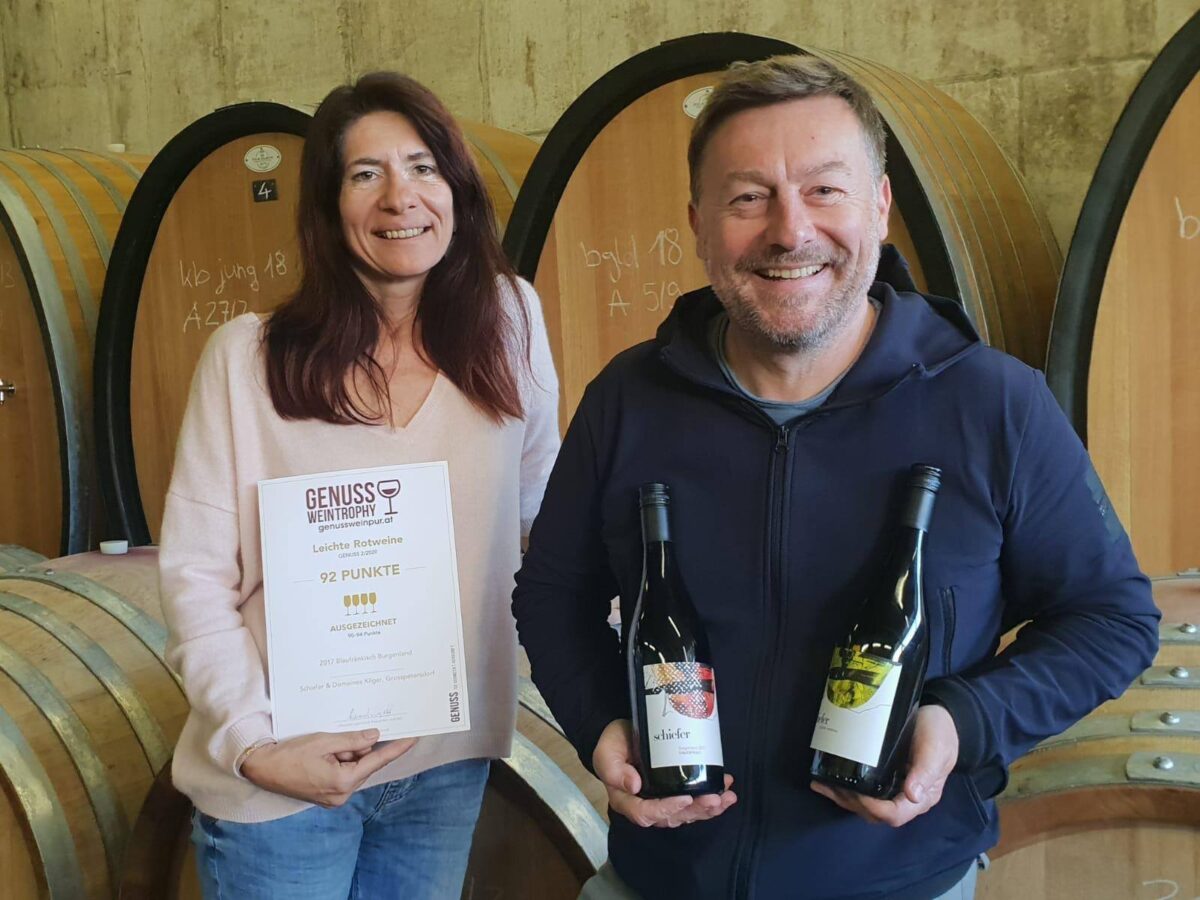
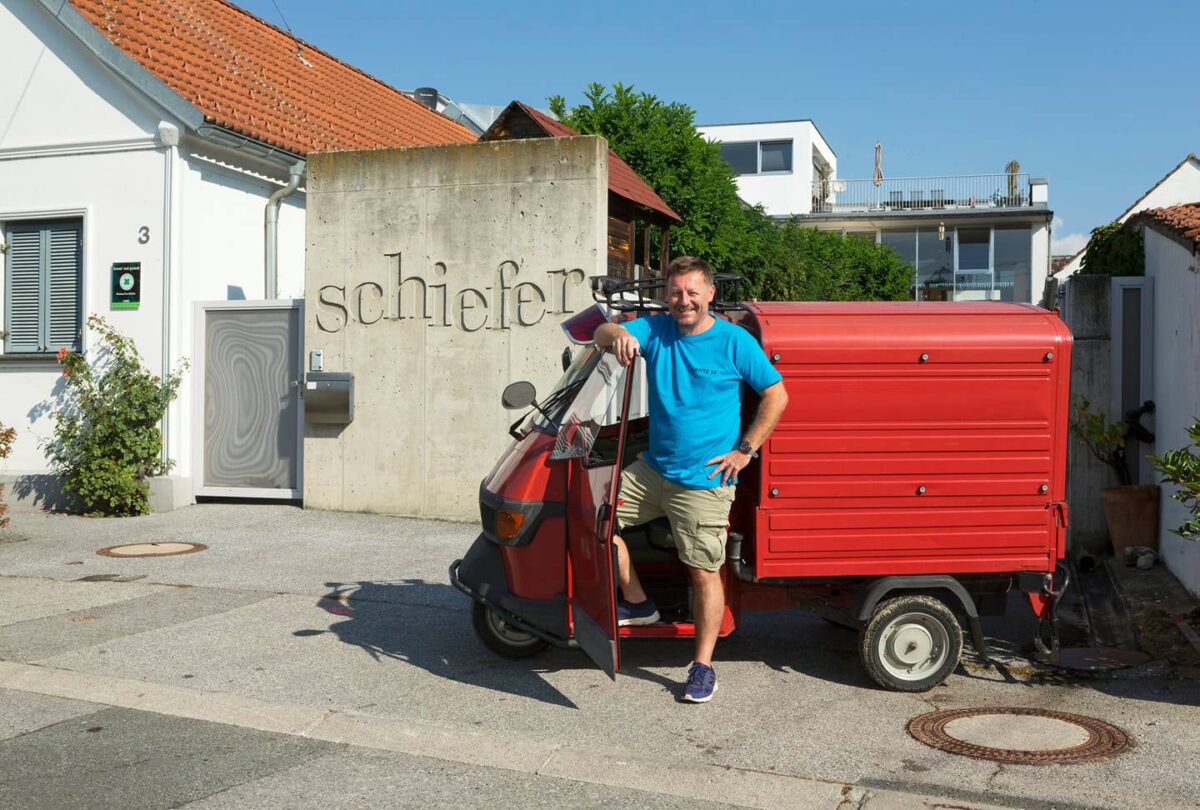
“Break on through to the other side”: my career can also be described based on this song by Jim Morrison & the Doors. From being a waiter and sommelier in renowned Viennese restaurants – including the Steirereck – I decided in 1990 to devote myself entirely to my passion for wine as a winemaker. After attending the wine academy in Rust, I founded my own winery in Welgersdorf in southern Burgenland. In order to make the kind of wines that already existed in our region, but in my opinion had to be much more independent. as independent as the terroir on which they grow: the calcareous Königsberg, the “opal” Tschaterberg and of course the (nomen est omen) iron and slate-rich Eisenberg.
My cultivated vineyard area is 22 hectares, most of which is planted with red wine varieties: mainly Blaufränkisch and some Pinot Noir and Merlot. My white region-specific grape varieties are Welschriesling, Grüner Veltliner and Pinot Blanc. The clayey-loamy terroir with a high iron content on ancient, steep slopes makes it possible to produce very characterful, almost cool-appearing red wines. I rely on puristic, natural viticulture. Herbs and plants between the rows of vines can and should grow there. They, the Pannonian climate with hot days and cool nights as well as the unique soils give my wines everything they need. Nature makes my wines, I make sure that the right thing happens at the right moment: cutting, thinning, reading – nothing more and nothing less.
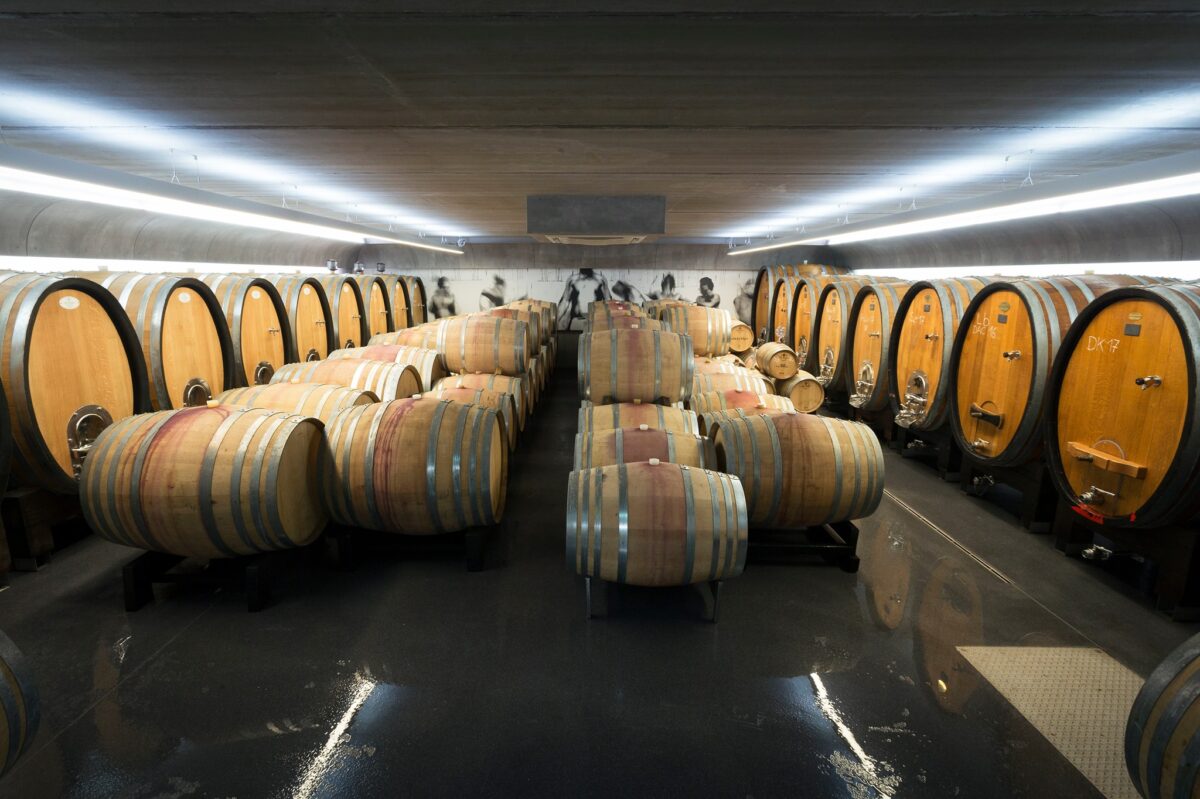
What nature provides is carefully implemented in the cellar. All wines ferment spontaneously and slowly mature on the lees in barrels of various sizes. no technology, merciless simplicity, pronounced minerality – wines with a practiced origin: courageous, unvarnished and with an almost dogmatic purity: pure slate!
“Single vineyards are the essence of all our efforts. Just by focusing on them you can work on the marginal differences offered by the diversity of soils. That’s what wine is all about: details, subtleties, and character.”
—Urban Stagård
When Urban and Dominique Stagård took over the family estate in 2006, they set straight to reimagining its potential. Their vision had four elements: reclaiming obscure vineyards, reexamining the possibilities of iconic sites, farming based on a close study of soils, and making wine by drawing on knowledge and techniques of the past. Some of these approaches—such as the use of Steinzeug, or thick-walled stoneware fermentation vessels—are so arcane their rediscovery feels more like innovation. Riesling, the variety the Stagårds say “speaks most to us,” is their clear focus. Grüner veltliner, more traditional and far more widely planted in the Kremstal, naturally finds a place in their work as well. Both varieties are grown organically (certified since 2009) on 17 hectares of exceptional sites scattered around Stein and in the Wachau. The Stagårds are dedicated to amplifying biodiversity and intensifying hand work among the vines, and restoring traditional practices to their ancient cellar. They rely on native yeast fermentations and minimal sulfur, as well as long aging on the fine lees to promote texture and protect against oxidation. They also embrace skin maceration and stem inclusion when they feel this contributes to site expression. “Above all,” says Urban, “we trust in time.” This allows each wine to find its own individual rhythm and equilibrium. These are true wines of terroir – crystalline, tense, and intellectually satisfying, not to mention delightful to drink.
Lesehof Stagård
The Stagård cellar is nearly 1,000 years old. While you pause to take that in, a few details: Dominique says wine was not made here continuously, but documents show that Benedictine monks planted this land with a mix of vines and apricot trees. The estate, first mentioned as “Lesehof Tegernseer,” dates to 1424 – making it roughly as old as the village of Krems itself. In 1786, the winery came under the ownership of the current family, who continued to grow grapes and produce wine under the “Tegernseer” name. Then in 1981, Kenneth Stagård traveled here from Sweden and married into the family. He and his wife, Elisabeth, started the Swedish branch of this estate and renamed it Lesehof Stagård. Kenneth’s son, Urban, and Urban’s wife, Dominique, took over in 2006, making them the seventh generation to run the estate. They immediately began the crucial transition to organic viticulture, with certification gained in 2009.
Urban and Dominique Stagård
The Stagårds, along with their young twin daughters (born in the Mosel as it happened), are keenly aware that they’ve stepped into “a lot of tradition and also the duty to continue,” as Urban puts it. Urban came to Austria from Sweden when he was seven, started oenology school at 15, and then went on to work in Luxembourg at Domaines Vinsmoselle and in Austria at a few small wineries near Stein. He also put in some time at Wein & Co, Austria’s biggest wine retailer, to round out his understanding of the wine market. In 2005, he took a class in organic winemaking, setting him on his present course. He loves German riesling (“and also German winemakers!”), among them fellow Schatzis Johannes Leitz and Matthias Knebel, as well as Andreas Barth, Mark Barth, and H.O. Spanier. Dominique does not come from a wine background, but her training in marketing and administration fits in smartly with the family business, which she’s been part of since 2003.
As a family, the Stagårds are closely attuned to the abundance of life in and around the vineyards. Given the history of the estate they work on every day, long-range thinking is elemental. This combination has made them pioneers of organic farming in the Kremstal. Their emphasis on soil health also stems from their belief that a site’s distinctive character can only be expressed if the soil is fully alive. This all goes hand in hand with their relationships to local monasteries, which have enabled them to lease some of the most iconic and sought-after sites in Stein: Hund, Kögl, Pfaffenberg, and Gaisberg. Urban and Dominique have folded these old-vine parcels into the Stagård family estate, growing it from just 4 hectares to its present size of 17, which has allowed them to increase production in an extraordinarily thoughtful way.
The Kremstal and the Wachau
This part of Austria is quite Burgundian, down to the unique qualities of its many lieux dits, strong influence of monastic tradition, and domination by two varieties – writ small and rocky on the banks of the Danube. The Kremstal is split into three zones: the city of Krems, the eastern areas, and the villages on the south bank of the Danube. The Stagårds work with parcels in all three. Their mindset is that riesling and grüner veltliner are what hold together and give clear identity to such diverse topographies, microclimates, and soils.
Riesling, on the steep slopes of primary rock that rise from the Danube here, accounts for just 10% of Kremstal vineyard area, making it the subject of extreme focus. Two of Austria’s most acclaimed Riesling vineyards, Hund and Pfaffenberg, are in Stein. The Stagårds vinify parcels of both. They also work with the extraordinary sites at Gaisberg, Kögl, and Schrek.
Deep loess banks to the north and east of Krems explain why grüner veltliner dominates the valley, as the grape thrives in the water-retaining loess, protecting it from hydric stress and giving it tension and finesse.
Climatically, the Kremstal, like the Wachau, is at the crossroads of dry Pannonian warmth from the east and cooling drafts of Alpine air from the north, all moderated by the temperature-regulating effects of the Danube’s large surface area. Though it is slightly warmer than the Wachau, it experiences the same diurnal extremes that account for the freshness and aromatic intensity of the region as a whole.
Vineyards and farming
“Working organically,“ says Urban, “means above all to observe, because it is possible to read the soil: its breakages, its compressions, its root penetration. All the things that happen in the soil and on its surface are fundamental for every other development in the process of wine production. This is why we try to understand every detail of our vineyard, to know all of our vines and to treat them as gently as possible.” The Stagårds use no herbicides or pesticides, work strictly by hand in the vines, pick relatively late, and select intensively when it comes to the quality of fruit that goes to the winery.
In the cellar
“Our idea of organic winemaking does not end at the cellar door,” say Urban and Dominique. “We work with minimal intervention and, above all, we trust in time. That’s why we leave our wines on the lees for a long time – to harmonize structure, give them stability, and embrace their own specific character. In addition to heavy sorting, 10% of the fruit is manually de-stemmed for the single parcel wines. The grapes macerate up to 48 hours before they are pressed and begin their spontaneous fermentations. The ferments take place in stainless steel or, in select cases, Steinzeug.”
The Stagårds are not focused on producing wines that fit into the classic categories of “dry” or “sweet.” They normally finish with +/- 5 grams of residual sugar and fall between 12.5 and 13% alcohol, showing a certain Germanic influence and making them laser-sharp, mineral expression of poise and elegance. They have three lines: Handwerk, single sites, and Tradition. Within each line is an impressively pinpointed assortment of bottlings, expressing a different facet of Kremstal or Wachau terroir and winemaking.
Handwerk grüner veltliner originates in a selection of the Stagård’s south-facing mountain and terrace vineyards, all in the Pfaffenberg. It’s a steep site that climbs to 300 meters above sea level (about 900 feet) on the south bank of the Danube near Mautern (very near where fellow Schatzi Georg Frischengruber explores the terrains of Rossatz). The wine is fermented in stainless steel and shows veltliner’s classic snappy crunch and cayenne spice.
Handwerk riesling also comes from parts of the Pfaffenberg, including the Braunsdorfer terrace, which rises 400 meters above sea level (about 1200 feet) on Urgestein, here primarily schist and gneiss soils. It is also sourced from lower terraces below the Schreck, where there is more blue slate, and from sites near Mautern. The wine is fermented in stainless steel, yielding a briny, linear riesling, showing lime oil, cherry and citrus.
“Single-vineyards are the essence of all our efforts,” say Dominique and Urban. “Just by focusing on them you can work on the marginal differences offered by the diversity of soils. And that’s what wine is all about: details, subtleties, and character—what the particular vineyard can tell about a wine.”
A quick tour is in order, starting with Grillenparz. The Stagårds believe riesling grown on this wildly precipitous slope belongs to the very best of the Kremstal. “The terraces are narrow and extremely difficult to work,” Urban says, “as there is very little topsoil and the crystalline rock below can be treacherous.” Riesling from this site is a bit of an outlier for the Stagårds – rounder, with a hint of marzipan aroma, though the predominant aromas are savory and of apricots.
Schreck is steeper still – the most sharply angled of all of the Kremstal sites. Everything must be done by hand here and the yields are naturally low. The soils are blue slate and there is something particularly Germanic in this wine. Like the best of Germany’s dry rieslings, Stagård’s are detailed, pure, and juicy, displaying apples and a hint of apricot stretched over a linear structure. (A parcel of Schreck will be replanted in coming years with riesling cuttings from a trio of Schatzis: Johannes Leitz, Killian and Angelina Franzen, and Matthias Knebel.)
Nikolaihof made Steiner Hund famous. It’s a loess and loam site over conglomerate and it can produce powerful riesling. Instead of oxidation to balance the intensity of the site, Urban preserves the freshness with spontaneous fermentation in steel. The result is a yin-yang riesling of intensity and elegance, depth and lift, concentration and utter drinkability.
Kögl is pure Glimmerschiefer (mica-schist), and it produces some of the most structured wines in the Kremstal. There are five terraces of 60-year-old vines here that Urban harvests and macerates for 48 hours before pressing with the stems. He does this in healthy years because ripe stems contain antioxidants and because he likes grip in his riesling. He wants you to feel the wine all the way down to your gullet. This riesling spent ten months on the full lees before racking, and was sulphured only twice: once after alcoholic fermentation and again after racking. It is carries the most texture, hold, and length.
Gaisberg consists of 12 terraces surrounded by trees and bushes that act like a clos. It’s one of the warmest sites in Stein, situated very close to the Danube, benefiting the full effect of the river’s solar reflection. Like the Kögl, it is all Glimmerschiefer and it, too, undergoes 48 hours maceration before pressing with the skins. The palate is salty and schmaltzy with cayenne pepper spice and lime citrus zing.
Goldberg grüner veltliner is a mouthful. Whereas the Handwerk is bright, crispy, spicy, and “green,” the Goldberg is rich, persistent, juicy, and “yellow.” The Goldberg is entirely south-facing and rises 400 meters above sea level, making it the highest grüner veltliner vineyard in Stein. Stagård’s vines there are 40+ years old. The soil consists of Glimmerschiefer, loam, and loess, and it is the site that is picked last every harvest. Urban doesn’t want a peppery or “classical” grüner veltliner from this site; he wants a complex wine that highlights this particular terroir. Urban oxidizes this wine (“to get rid of the pepper”) by means of exhaling into a hose in the tank. The wine is decidedly rich, but it is also extremely focused and precise. It is exotic, spicy, and above all, long.
The Tradition line displays the Stagård’s almost spiritual connection with knowledge and techniques of historical winemaking in the Kremstal. Steinzeug riesling exemplifies this. The family’s long connection to the local monasteries introduced them to a very traditional fermentation vessel: the Steinzeug. This is a glazed, earthenware cylindrical vessel local monks historically used to ferment beer. Urban uses them because they create a reductive environment that, owing to the vessel’s thick walls, never needs temperature control. The Stagård’s largest is 750 liters and more than a century old; Urban fills it with the best grapes from all of the top sites: Kögl, Grillenparz, Gaisberg, Schreck, and Hund. Those grapes are macerated for 48 hours, then 90% are pressed and used to fill the vessel; the remaining 10% are added whole cluster. The fermentation is all sponti and malo is not blocked. The wine stays in Steinzeug until May following the harvest, at which point it is moved to stainless steel, but not racked. The wine rests there until August when it is racked, filtered and bottled. The resulting wine is a treatise on riesling – razor sharp, steely, and taught, yet also dense, intricate, and long. Above all, it is juicy and lively.
“The wines are kind of a mirror of us. They are harmonic, they have freshness, they are deep, they need time to show their great character, they are not everybody’s darling, and they turn better with age.” — Gerhard Kracher
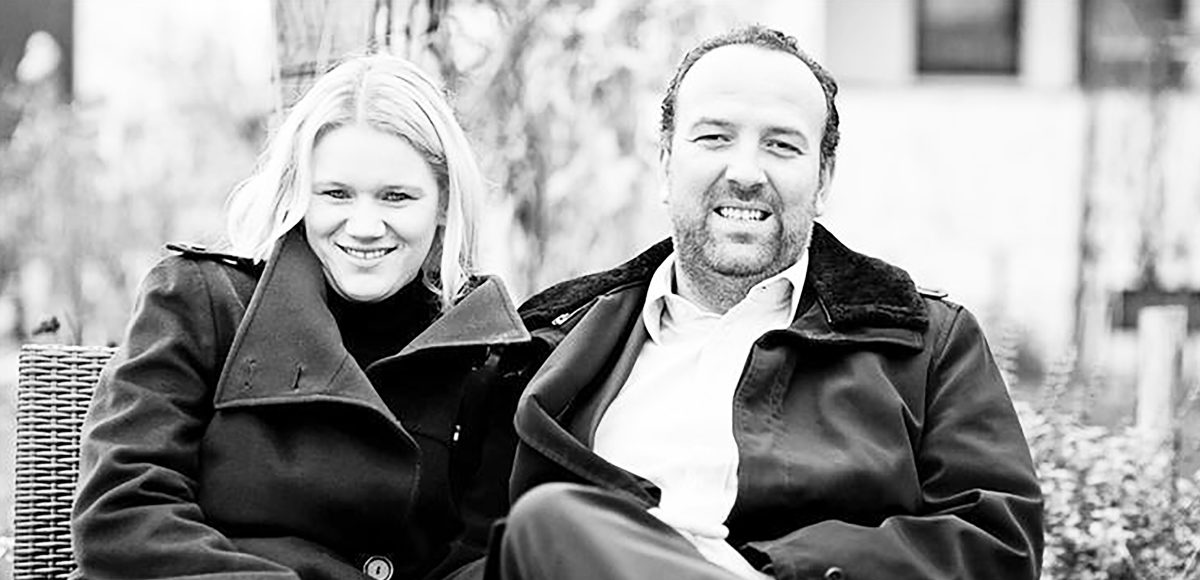
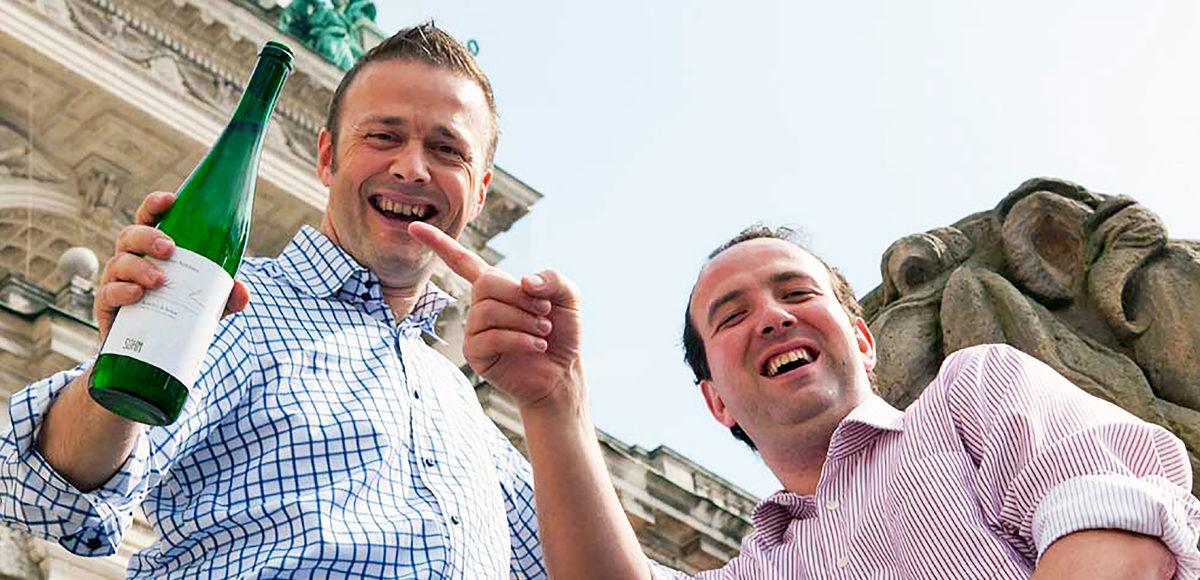
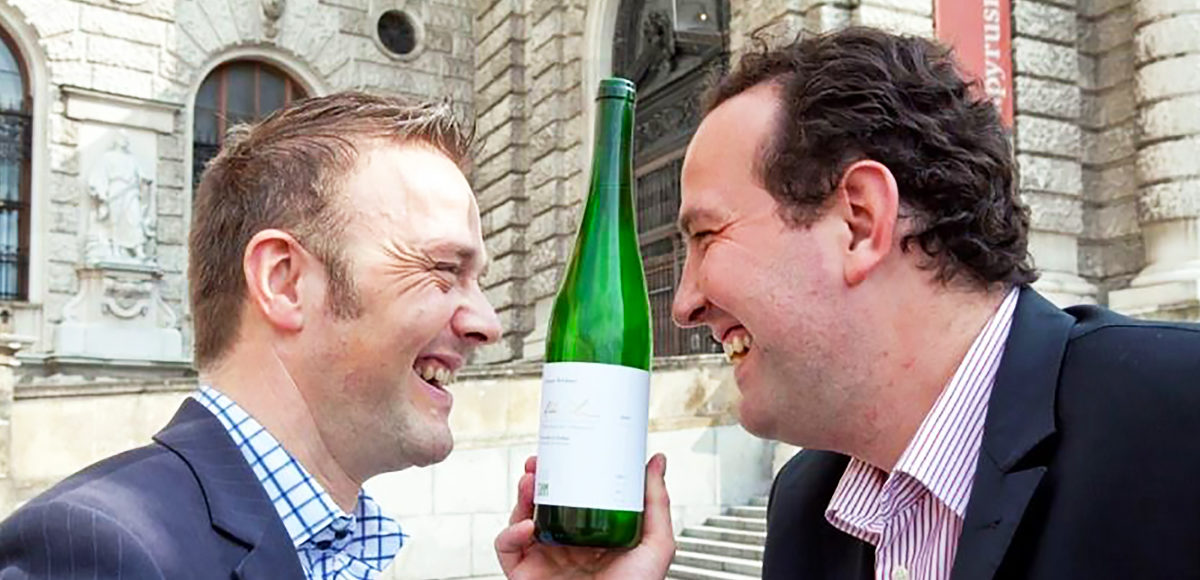
Aldo Sohm and Gerhard Kracher, two Austrians, first met in New York, in 2004. Their friendship was cemented over a shared devotion to great food and wine. It wasn’t long before they realized this love extended to the dry grüner veltliners of their homeland — and a desire to make them. A few years later, at a tasting, Aldo had an epiphany when he was asked by several winemakers to critique their wines: “I found myself thinking: I have never made wine! Who am I to criticize it?” Over a long lunch later that year, the Sohm & Kracher project was born. Given the strength of the partnership and shared vision, Aldo and Gerhard had little trouble honing their concept: grüner veltliner grown in the Weinviertel — a region they recognized as underestimated, given its old vineyards, diverse soils, and unique microclimate — and made in accordance with two basic principles: the wines should be (low to) moderate in alcohol and should never be unctuous in character. Since their first vintage in 2009 they have kept a sharp focus on grüner veltliner, even as they have widened the scope of exploration across sites and styles — from the brisk, peppery “Lion” to the Chablis-like “St. Georg.” They now work with several crus in the Weinviertel and one pure limestone parcel in the village of St. Georgen, Burgenland, almost directly across the Neusiedlersee from the Kracher family winery in Illmitz.
Aldo Sohm
“I caught the ‘wine bug’ at 19,” Aldo relates. “I was working in a restaurant as a server and two Swiss couples asked me every morning what to drink with their dinner that night. They were super passionate about wine, and in wanting to do right by them, I read [up on wine] during my afternoon breaks and stumbled upon the beginning of my career.” Soon after, Aldo enrolled in tourism school near his hometown in Tyrol. After graduating, he worked at restaurants throughout Austria, pausing only to fulfill his military duty and to study Italian in Florence. Aldo passed the official Austrian sommelier exam and then invested a few more years working and teaching in Tyrol. In 1998, he attended, but did not compete in, the World Sommelier Competition. What he saw there fascinated and frightened him, but he recognized that “my curiosity was stronger than my fear.” In 2002, Aldo won as Best Sommelier in Austria, a title he defended until 2006. He then moved to New York, in part to improve his English for international sommelier competitions. In 2007, he won Best Sommelier in America and joined Le Bernardin, New York’s longest-running four-star restaurant, as Chef Sommelier. He now serves as wine director at Le Bernardin and as head of the eponymous wine bar he opened in 2014. “I love to eat and drink, and being at Le Bernardin allows me to keep learning and pushes me to improve myself … It’s hard for me to imagine leaving the floor, so I’ve always looked for other ways to expand my knowledge in the wine world,” he notes. In his free time, he applies his energy and intensity to road cycling, tackling some of the most grueling courses in the Alps on his “vacations.”
Gerhard Kracher
Gerhard is the son of the late Alois Kracher Jr. — a profoundly influential force in Austrian winemaking. In the 1980s, Alois recognized that Seewinkl, home to the sweet wine-producing area of Burgenland where the Kracher Winery is located, had the climate and geography to make world class Trockenbeerenauslese. It took some clever efforts to convince the world that he had elevated Austrian sweet winemaking to a level worthy of their regard, but once he did, this otherwise unremarkable wine growing subregion has been inked on the map. Alois passed away in 2007, leaving the estate to Gerhard, who, fortunately, had already been deeply involved in its workings since age 19 and has ably maintained and his father’s standards in making some of the world’s top botrytised wines. Outside the cellar, Gerhard’s “always on the hunt for culinary treasures,” as well as fishing and cycling — though “not as professional as Aldo,” he quips.
The Weinviertel and St. Georgen in Burgenland
The Weinviertel (“wine quarter”) is a quintessential European landscape of rolling fields and vineyards dotted with tidy, attractive villages. It is quite large — easily four times the size of the Kremstal, for instance — comprising the northeastern corner of Austria, from the Czech border the Slovakian, from the edge of Kamptal and Wagram to the Vienna city limits. It encompasses a correspondingly broad range of elevations, climates, and soils. Although grüner veltliner has a fairly brief history here, it is undoubtedly the grape of the Weinviertel. Nearly half of all vineyards are planted to this variety, which gives a signature expression of white pepper and vibrant acidity distinctive enough to have earned it Austria’s first DAC. Soils here tend to loam, gravel, and limestone; the climate is cool, shielded from the heat of the Pannonian Plain by the Slovakian hills.
Burgenland, on the other hand, is better known for its noble sweet and red wines. But St. Georgen, near the low Leitha mountain range, is an exception — for more than one reason. This is the village where the second parent grape of grüner veltliner was discovered in 2000 (traminer is the mother vine, St. Georgen the father). The parcel Aldo and Gerhard work with is a cool, mid-slope site of pure Muschelkalk (shell limestone), characteristics that inspired them to make a beautifully textured, distinctly saline Chablis-style grüner veltliner.
Vineyards
Aldo and Gerhard partner with growers who cultivate a combined six hectares in both regions. “It was not so easy to find the right guy who owns this type of vineyard and farms it with our vision,” Gerhard has said. Vine age is an important consideration; it ranges from 10 to 25 years for “Lion” up to 40-plus for “Single Vineyard.” The first wine they ever made, the “Single Vineyard,” comes from a half hectare about 25 minutes northeast of Vienna, in Wolkersdorf. It’s a south-facing hill of chalk-rich soils. For “Alte Reben” and “Lion,” the vineyards are an hour north of Vienna, in various south-/southeast-facing crus spread over five hectares in the Pulkautal. For St. Georg, the grapes are sourced from the Muschelkalk soils of a southeast-facing 0.4 hectares at the foot of the Leithagebirge, in St Georgen. All vineyards are 100% hand picked.
In the cellar
Gerhard makes the Sohm & Kracher wines at the Kracher family winery in Illmitz, Burgenland. All fermentations are spontaneous and temperature-controlled. Fermentation vessel is determined the style objective of the wine. Gerhard’s philosophy on SO2 is a blunt “as much as needed.” All of the wines remain on the fine less until very shortly before bottling and are fermented bone dry. “Lion” spends seven to eight months in stainless steel and gives a classic expression of grüner veltliner’s primary aromas, brisk character, and potential for length. “Alte Reben” spends two years in 50% in stainless steel tank, 50% in used barrique for altogether greater length, breadth, and complexity. “St Georg” is raised in 1,000-liter cask and third-use barrique, yielding an amply textured and superbly gastronomic wine. “Single Vineyard,” raised in 1,000 or 1,500-liter Slavonian oak casks for 3 years, represents a truly exalted style for grüner veltliner. All of the wines are “quite reductive,” notes Gerhard, “So decanting is something I would always recommend. But these wines can also stay open for two or three days, no problem.” Gerhard believes the aging potential of the Sohm & Kracher wines range from five years for “Lion” up to 20 years for “Single Vineyard.”
“The lower the alcohol in my wines, the more I can see the terroir.” – Johannes Trapl
One acre. That Johannes Trapl could turn the meager half-hectare of vines his family had to offer him into one of Austria’s most exciting wine brands is a testament to his passion, work ethic, and talent. Along the way, he’s helping change the way Austria and the world perceive Carnuntum wines.
Growing up, Johannes’s family’s property was a small, mixed-agriculture farm. Wine played only a small role (that fateful half-hectare). But in his late teens, Johannes grasped the future that wine could have and decided to devote himself to that, attending viticultural college before heading out to Napa Valley for an internship. He performed so well in Napa that he was offered a full-time job as an assistant winemaker. But before deciding to move to California, he headed home to talk to his family, asking what they could offer to keep Johannes in Austria. They said they would give him control over that acre of vines, with which Johannes could do as he wished. He accepted and began, though it was hardly enough land with which to make a living, so Johannes also took a job with the newly established Muhr-van der Niepoort winery, a partnership that included the celebrated and innovative Portuguese winemaker Drew Niepoort, who would have a great influence on young Johannes. In 2004, Johannes expanded his holdings with an additional ten hectares and set about to make his name.
He wouldn’t have to wait long. His region, Carnuntum, was primarily known as a source of big, weighty, modern red wines from Zweigelt—a style that Johannes rejected. Through his work with Niepoort, Johannes got to know vineyards in the Spitzerberg, a somewhat forgotten old terroir on a rocky limestone ridge, just five miles from the border with Slovakia. Blaufränkisch, an often overlooked grape in Carnuntum, grew here, and Johannes contracted some grapes for his own brand. In a shocking turn of events, his first wine from 2004 won the title of varietal wine of the year from Falstaff, Austria’s most prestigious wine magazine. Since then and practically overnight, Trapl’s career has shot up like a rocket, and he has become a leader not only in his region, but in Austria, for naturally-made, fresh-styled wines of purity, character, and complexity.
Region, Geography, and Climate
Johannes Trapl’s region of Carnuntum is well-situated, evolving, and on the rise, in part to producers like him, which redefine how the world views these wines. An ancient region most famous for the vast archaeological site of the same name, Carnuntum was once a vast and thriving outpost of the Roman Empire. For over 400 years from this strategic location between the Alps and the Pannonian steppes, the Romans managed the trade, flow of information, and protection of the northeastern frontier of their empire, while at the same time developing the region’s agriculture, including wine.
Lying just to the east of Vienna and west of Bratislava, Slovakia on the south bank of the Danube, Carnuntum’s situation is auspicious for the grapevine too. One of the warmer and drier locales in Austria, Carnuntum is most famous for being a producer of serious red wines in a country largely dominated by whites ( though excellent white wines are also produced here).
The climate is continental and Central European, meaning that it is prone to hot, dry inland summers exacerbated at times by the famously sere and searing winds off the Pannonian Steps. Winters can be very cold, though not heavy in snow. However, proximity to two bodies of water—the shallow, but vast Lake Neudseidl and the Danube River—helps moderate extremes of temperature.
Carnuntum occupies a geological crossroads too, resulting in a potpourri of soil types: glacial advances and retreats have deposited gravel; rivers and ancient seabeds have left limestone, clay, and loams; schist, gneiss, and granite result from orogeny; and winds have deposited beds of loess.
Within his total of 15 or so hectares, Johannes deals with elements of all of these soils, with a range of grapes (20% white, 80% red), ranging from Grüner Veltliner to Zweigelt. However, his greatest legacy so far is his spearheading (along with his friends at the Muhr-van der Niepoort winery) the renaissance of the Spitzerberg, that forgotten (since the Hapsburg empire) terroir in the foothills of the Carpathian mountains. Its shallow limestone soils in combination with the under-appreciated Blaufränkisch yield wines of extraordinary nuance, and complexity that have an almost hidden power and longevity.
Viticulture and Winemaking
To understand Johannes’ approach to the vineyard, one need only glance at his website, which highlights photos of healthy vineyards teeming with life, interstitial rows teeming with cover crops, and a flock of sheep to handle the weeding. These tell the story of a man who is obsessed with cultivating living, healthy soils, vines, and wines. Indeed, Johannes’ holdings are all now Demeter-certified biodynamic and have been certified organic since 2010. Johnnes works resolutely with cover crops, biodynamic preparations, teas, and extracts. As much as he focuses on thriving vines, he puts even more energy into creating robust soils, which, he says “is the only way to preserve healthy vines for future generations and to counteract climate change.” Also, he notes that such living soils are the only way to diminish sulfur additions, unnecessary manipulation of the wines, and to prevent high alcohol, which is a particular scourge for him. “The lower the alcohol in my wines, the more I can see the terroir.”
Cover crops are assiduously cultivated—legumes, oats, and rye are all allowed to grow throughout the season, as well as various plants that attract bees. Ultimately, cover crop seeds are allowed to remain in the vineyard, so the cover crops return in the spring without having to be re-seeded.
Zweigelt, Baufränkisch, Grüner Veltliner, and Pinot Blanc are the major focus, trellised and cane-pruned, though some vines get spur pruning. Canopy management is a prime concern in the era of climate change, and much effort is put into keeping the fruit zone well-aerated and partially shaded. Vines are on average 45 years old, but some of the plants in the Spitzerberg are around 70. These live mostly in the hillside band between 170 and 190 meters above sea level, so altitude doesn’t play a major factor. Johannes attributes more impact on the wines to vine age and soil, as the gravel, loam soils of Stixneusiedl (the home vineyard) are more fertile than the shallow, limestone soils of the Spitzerberg.
Johannes’ philosophy in the cellar mirrors the vineyard—“no nonsense added.” All fermentations are spontaneous—in open wooden vats for the reds and both amphora and stainless steel tanks for his entry-level whites, which also receive some temperature control. Malo is not controlled, but typically all wines go through it. Lees are not usually stirred. Wines are neither fined nor filtered and receive only a minimal dosage of SO2 before bottling. Entry-level whites are bottled 5-7 months post-harvest, while all Blaufränkisch is put in bottle after 12 to 18 months, depending on the wine, and then rested an additional 4 to 5 months before release. Trapl wines do not fall within the Carnuntum appellation requirements, which, he says, “favor bold styles, and that is not our approach.”
 “Let the vineyard speak!” – Philipp Grassl
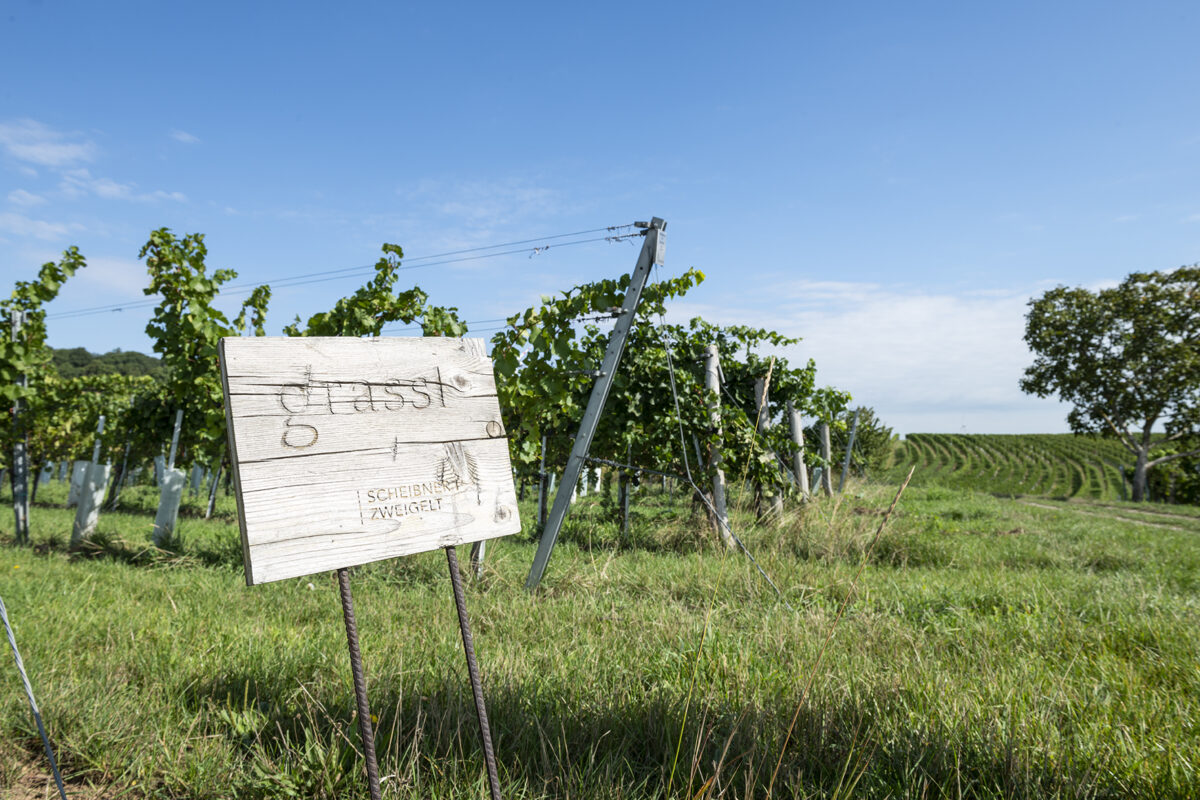
The sense of positivity exuding from Weingut Grassl and its young scion Philipp Grassl is apparent not only in their energetic, joyful wines but even on its website, whose About page opens with the boldface announcement, “Everything Will Be Fine.” More than an invitation to simply drink and enjoy the Grassl wines it seems to be an exhortation to relax and remain grateful for the things wine can bring us. And, finally, perhaps it’s a reminder to the locals themselves to forge on in a red-wine-dominated region set with the greater Austrian sea of white.
Grassl History
Since its origins in the 18th century, wine has always been a part of the Grassl family’s endeavors. The first recorded bottling occurred in the 1950s, though it wasn’t until the 1970s that wines of any quality emerged. However, it wasn’t until after 2006, when young Philipp Grassl took over, that the winery would ascend into the ranks of truly serious producers in the region. Considering Philipp’s general dedication and enthusiasm about wine, in fact, he initially did not want to become a winemaker. As Philipp came into the business delivering wine with his father to the small taverns and restaurants of Vienna in the early 1990s, winemakers “had a bad image,” he recalls. “Wine was cheap and people drank for volume, not quality”—an attitude indicative of Austrian wine’s humiliating fall after its big additive scandal of the late 1980s.
Philipp’s attitude changed while serving an internship in Sonoma County in 1997. In California, he saw both sides of winemaking—intensive, additive-heavy, industrial winemaking, but also cheerful, high-quality, boutique winemaking that he enjoyed. Back in Austria, he was also witnessing the turnaround, in which a new generation of winemakers had to pursue quality at previously unheard-of levels to dig the country’s reputation out of the chasm it had fallen into.
On both sides of the Atlantic, the trend toward handcrafted, original, terroir-driven wines made with low-intervention practices, inspired him to devote his life to wine and his family’s estate. Today, the estate remains family-run, with the Philipp’s parents still at the winery and a small enough team that everyone does a bit of everything. The family farms 27 hectares, focusing on Zweigelt, Blaufränkisch and St. Laurent.
Carnuntum History and Geography
The tiny region of Carnuntum lies as far east in Austria as one can go, stretching laterally from the eastern border with Slovakia to the outskirts of Vienna (just 40 minutes by car). It lies on the south bank of the Danube, beneath the Wienviertel. If a point of axis could be found on which the region could be spun like a top, it would be the area of Göttelsbrunn, where the Grassl family makes its wine.
Wine—and presumably red wine—has been a staple product of this region for over 2000 years, when the Romans established one of the largest and most important outposts of their Empire. Today a sprawling archaeological site, Carnuntum held crucial strategic importance for its founders. It was a military stronghold, a major border defense post, and a significant crossroads for trade and communication that enabled the Romans to project power, maintain control over the empire’s northern and eastern frontiers, manage booming trade networks with the East, and ensure the stability of the empire.
The region was not only a crossroads for Romans. Over the millennia, ancient geologic forces have also had their sway—from the limestone of inland seas to gravel swept by glacial advances and retreats, and a river basin that has deposited sand, loam, clay, and loess. Clay loams, loess, and gravels give texture and weight to the reds, while limestone content brings tension.
Carnuntum’s moderate continental climate—hot summers and frigid winters—benefits the red grape varieties, ensuring full ripeness by the end of summer and allowing the vines to relax into restful dormancy during winter. Warm winds from the Pannonian Plains to the east keep things dry and warm, while extremes of temperature are moderated by the influence of the Danube—all contributing to the slow and gradual ripening that deepens flavors and polishes tannins.
Farming and Vineyards
Grassl’s vineyard philosophy is simple and direct: Let the vineyard speak, as Philipp puts it. Bolstering this effort is a full shift in 2015 to organic farming, which is now certified. Since 2019, biodynamic techniques have entered the toolbox, as Philipp appreciates the holistic view of looking at a vineyard. To that end, they’re working with some biodynamic preparations and producing compost. Biodynamic certification is possible down the road, but for now, the idea is to slowly ease into these practices and gauge the results in terms of vineyard health and impact on the wines.
Grassl vineyards are dry-farmed and employ cover crops like legumes and clover to deliver nitrogen to the soil’s organic matter and protect the soil from both sun exposure and erosion. Soils vary greatly between vineyards, as “the whole region has always been in motion due to the impact of ice ages, the Danube, and the evolution of the mountains,” says Grassl, who finds the diversity driven by the Alsace-like mosaic of soils endlessly compelling.
Zweigelt and St. Laurent vines are planted with both clones and vassal selections, the latter largely taken from the winery’s old vines planted in 1961. These vines still produce some of Grassl’s single-parcel wines. Vines are trellised in Guyot with cane and spur pruning to the tune of around 5000 vines per hectare, depending on the site with an average yield in the range of 35 hectoliters per hectare. All fruit is hand-harvested.
In the Cellar
Unsurprisingly, Philipp’s approach in the cellar mirrors his philosophy in the vineyard—maximum low intervention, as he says. The focus is entirely on pure fruit: No yeast, bacteria, enzymes, or fining are employed. A tiny amount of sulfur is used for protection but applied as minimally as possible. Only easier drinking, fruit-driven wines are filtered and then only slightly to preserve freshness.
All wines are spontaneously fermented and then, depending on the wine, will go into wood, steel, amphora, or large cask for fermentation. Temperatures are controlled during fermentation, allowed to reach up to 22-23º C to stabilize fruit flavors and quash overtly fermentative aromas. The amount of malolactic fermentation varies from vintage to vintage—in warmer years it may be suppressed by post-fermentation cooling, but the malolactic profile is generally determined through blending of various lots.
“Great wines come from great fruit – which comes from great vines!” — Andreas Kollwentz
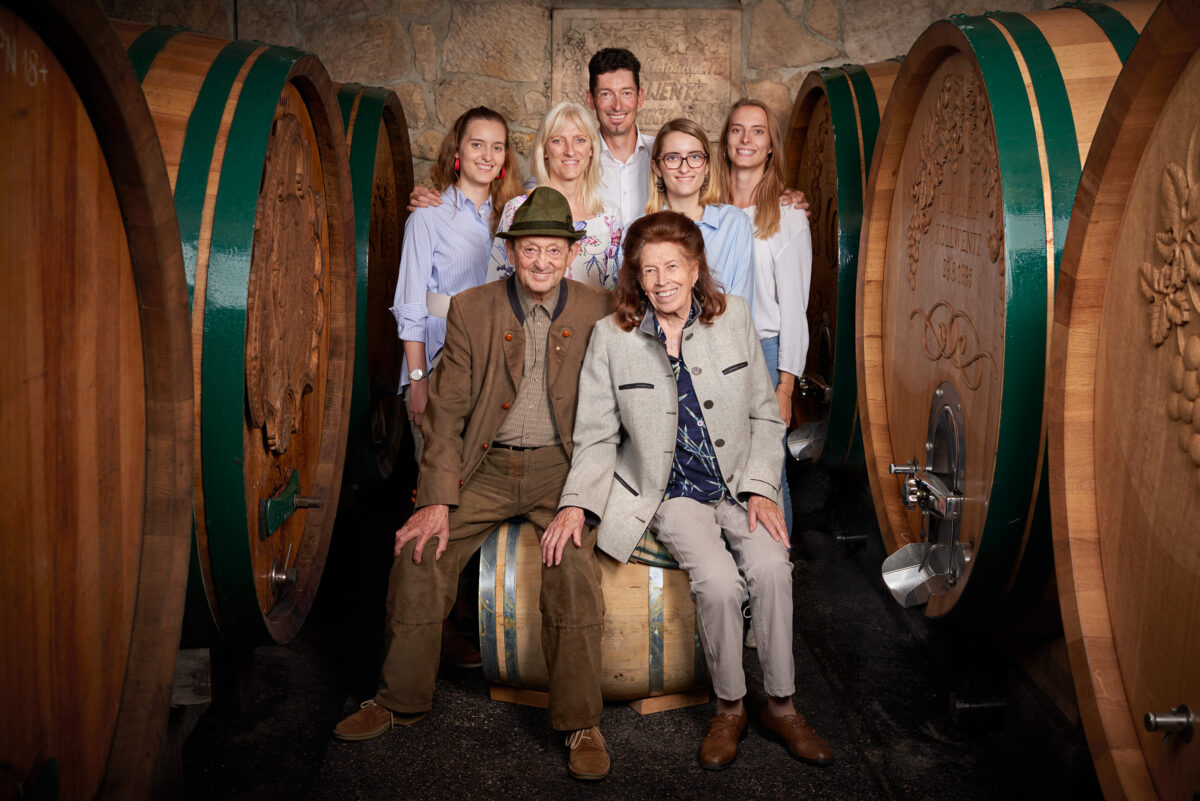
If the greater world is going to awaken to the vast and largely uncharted potential of Austria’s Burgenland for dry, complex, age-worthy table wines, it will likely be the wines of Kollwentz that sound the call. This estate oozes pedigree, from its ten generations of winegrowing continuity to its vineyards, whose written histories date back to the mid-1500s in one of the oldest wine-growing regions in the world.
At Kollwentz, though, pedigree is no crutch. The drive to maintain high standards and improve them is as engrained in the family’s sensibilities as the landscape of the Leithaberg hills is in its visual memory. As Andi Kollwentz remembers, he had little choice. “When I was only five, my father took me on his knee and told me, “You will be the next winegrower!” Andi remembers, even at that young age, accepting the charge dutifully, as if there could be no other outcome. In service of that he did a thorough five years of training at the school in Klosterneuburg and then worked at multiple estates in Bordeaux, from Graves to St. Emilion.
Under the tutelage of his father, Andi has been working full-time in the cellar since 1989 and in charge of wine production since 1993, now working closely with his daughter Christina. Meanwhile, his wife Heidi and daughter Barbara handle the office and hospitality responsibilities.
Soils & Climate
Kollwentz owns 25 hectares of prime vineyard land in the Leithaberg, one of the most venerable and historic growing regions in a country not lacking in them. Leithaberg sits on the Burgenland face of the Leitha Range, just west of the great Lake Neusiedl, a shallow body of water that plays a big role in the local climate. Vineyards close to the water live in a humid climate that promotes botrytis for the region’s celebrated sweet wines. But even vines like the Kollwenz’s far away in the hills benefit from the lake’s regulating effect—softening the cold, continental winters and buffering the heat of the Pannonian summers.
Viticulture in this area is truly ancient. Some of the earliest examples of Central European viticulture come from the Leithaberg—grape seeds from around 700 B.C. have been collected. Chardonnay, which grows exceedingly well here and is a specialty of Kollwentz, has been cultivated in the area for 900 years, with the first vines brought from Burgundy by Cistercian monks around 1150. Chardonnay terroir here begins at the 200-meter mark and rises, as the combination of altitude and the forests that cover the highest Leithaberg elevations create a cool microclimate for the white grape. Red varieties tend to exist in the band between 170 and 200 meters of elevation.
The Leithakalk vineyard is famous for its limestone soils, which vary between the shallow, extremely chalky ground in which Kollwentz grows Chardonnay to a darker calcareous soil that produces the Blaufränkisch. First mentioned in print in 1570, the Ried Katterstein vineyard stretches between 220 and 300 meters to the wooded crown of the hillside. Here many small parcels co-exist with stream beds, rocky outcroppings, and copses.
Viticulture and Winemaking
Kollwentz’s vineyards are all on trellis using vertical shoot positioning but one, which was newly planted on single posts, reflecting the way their vineyards were trained until the 1950s, when Andi’s grandfather converted wholesale to trellis. Shoot thinning occurs in spring, leaves are plucked after flowering, and clusters are thinned starting at the end of July.
Kollwentz grows cover crops between the rows to manage vigor and protect the soils. Farming is organic and sustainable: No herbicides, fungicides, or pesticides are used. In response to climate change, Andi has reduced the height of the vines’ foliage by about 20 cm and allowed the highest part of the canopy to grow thicker to shade the fruit.
While celebrating the age of the soils and pedigree of the vineyards, Andi is not someone to exalt old vines. Rather, he’s far more concerned with the vines’ health and ability to access water, regardless of age. He’s seen far too many grafted vineyards where only part of the plant is old and is skeptical that it makes much of a difference. He cites the famous 1956 freeze which decimated vineyards across Europe. A shortage of nursery stock prevented many growers in his region from replanting until 1959. The first fruit from those vines arrived in 1961, which, he notes, was the vintage of the century. So, no, he’s far more concerned with vine health than vine age.
His winemaking for Chardonnay differs between Leithakalk and Katterstein. Some lots of both wines ferment spontaneously, but not all, and the similarities end there. Leithakalk is aged and fermented in large, old casks of Austrian oak, malolactic is restricted to around 25%, and a little battonage is used. On the other hand, Reid Katterstein is fermented and aged in small French oak barrels, allowed to go through full malolactic fermentation, and lees are stirred. Sulfur dioxide is used during the winemaking and bottling process. Leithakalk will mature in cask on the lees for seven months before being bottled in April after harvest. Katterstein sees a longer elevage, maturing on the less for 12 months before going into stainless steel tanks for a six-month resting period. Therefore, bottling occurs in April of the second year after the grapes were harvested. Both wines sit only one month in bottle before release.
Kollwentz’s Blaufränkisch from the Setz vineyard grows on a southeastern facing slope at a relatively high altitude between 190m and 200m on sandy loam soils with a 20-35% limestone content. These grapes are given 3-4 weeks of skin contact and partially spontaneously fermented in stainless steel tanks. The wine ages for 24 months in small, neutral French oak barrels and is bottled the following January. It rests in bottle for eight months before release.
“Harvest good grapes at the right point of maturity and the magic of a millennia-old process can begin.” — Johannes Gross
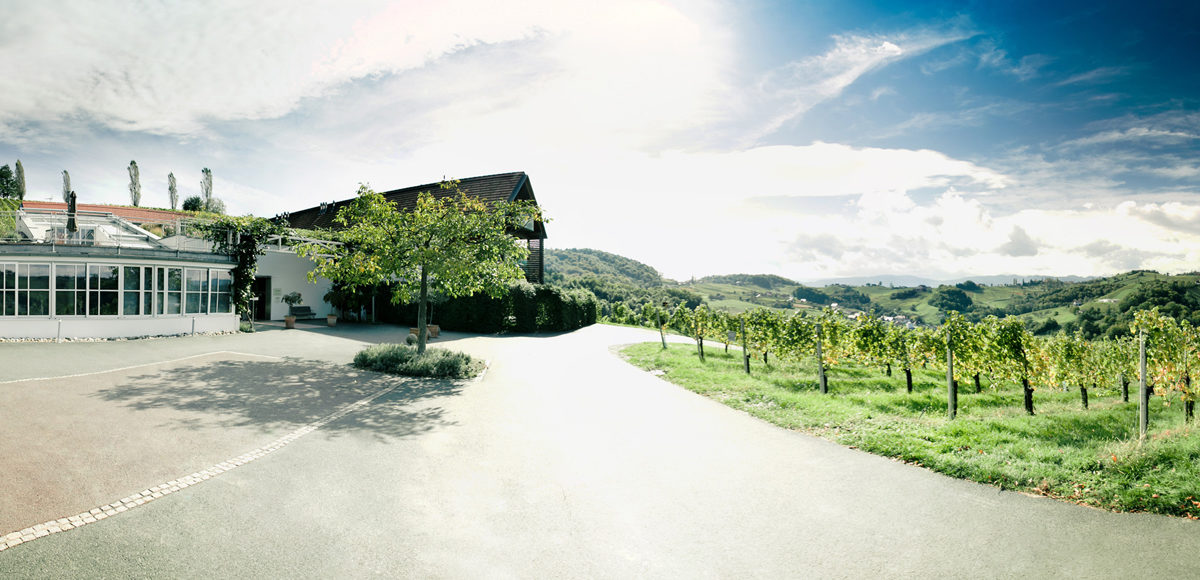
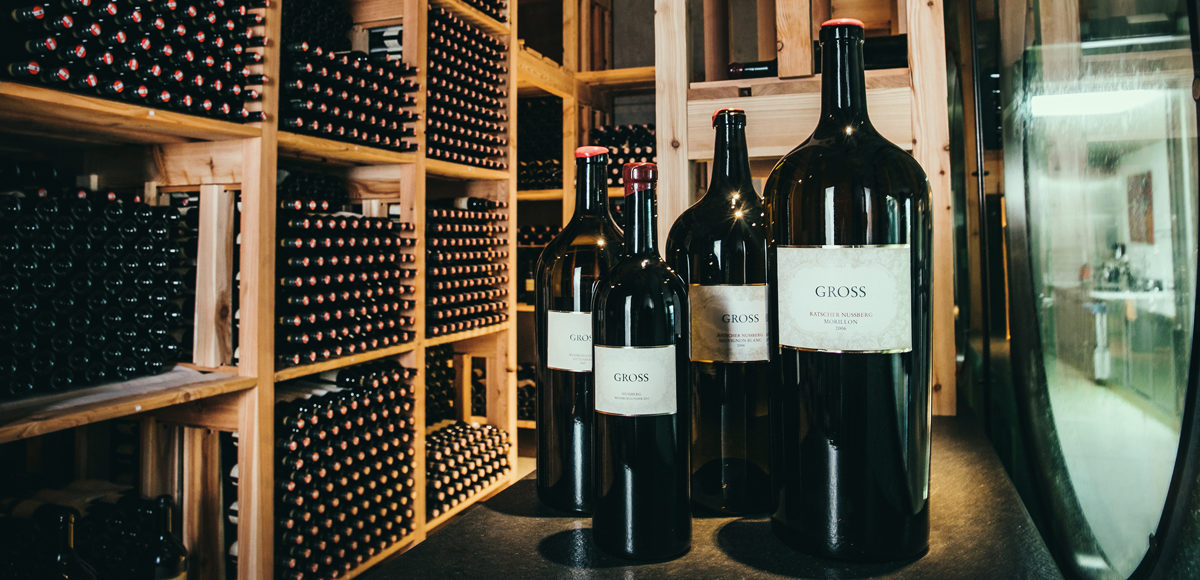
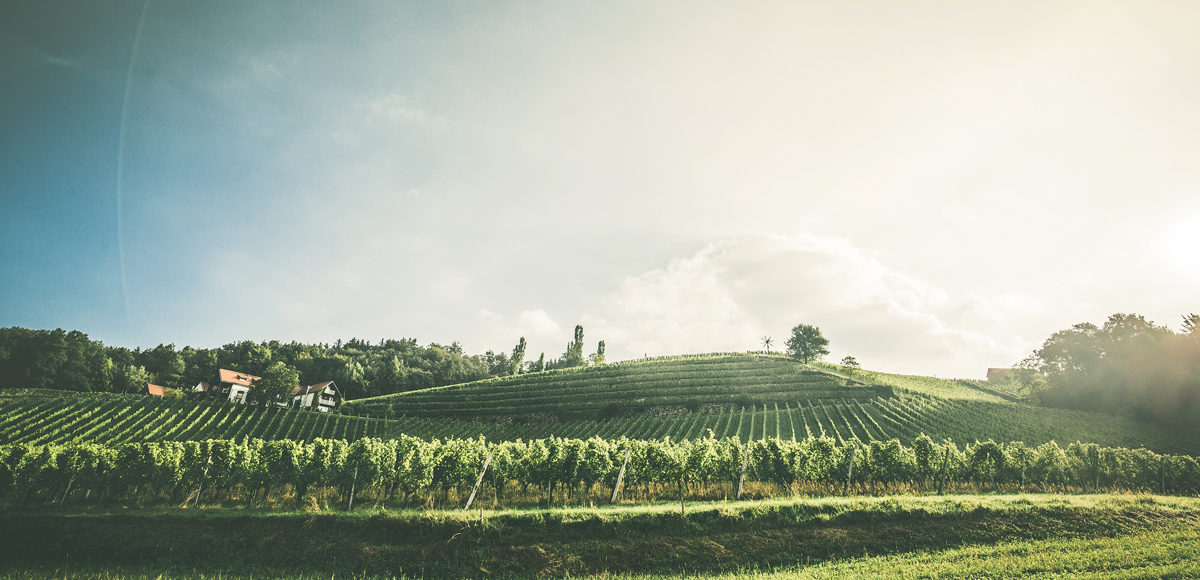
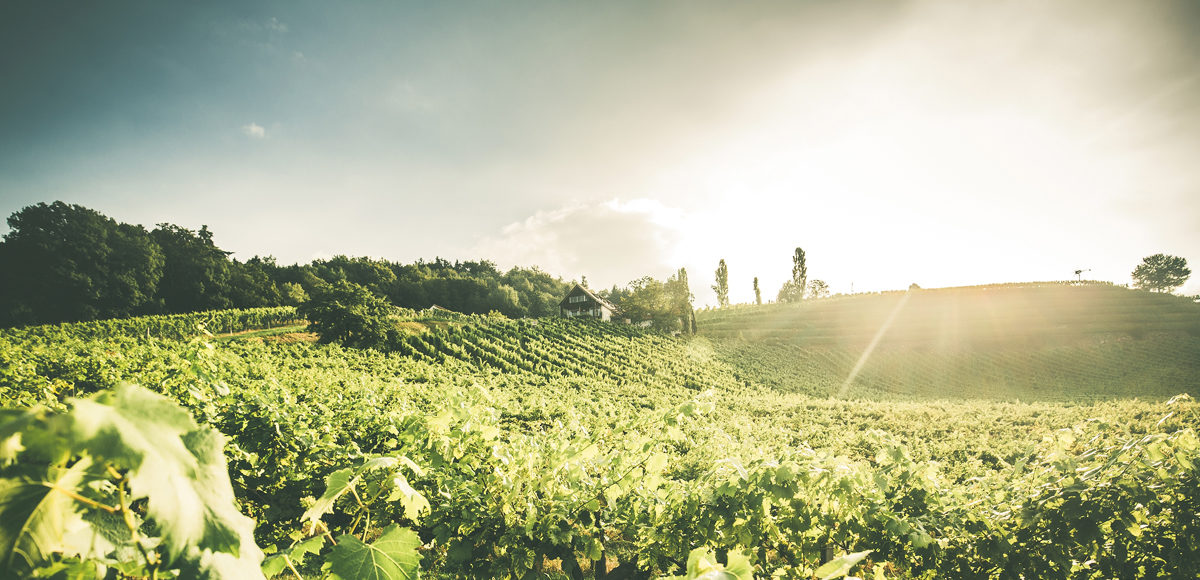
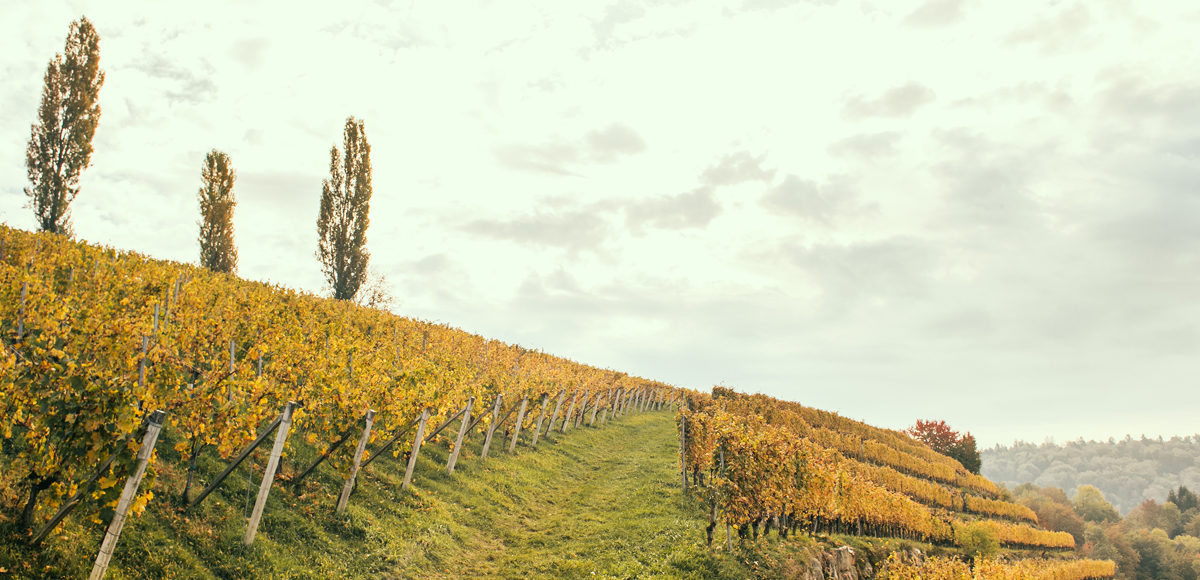
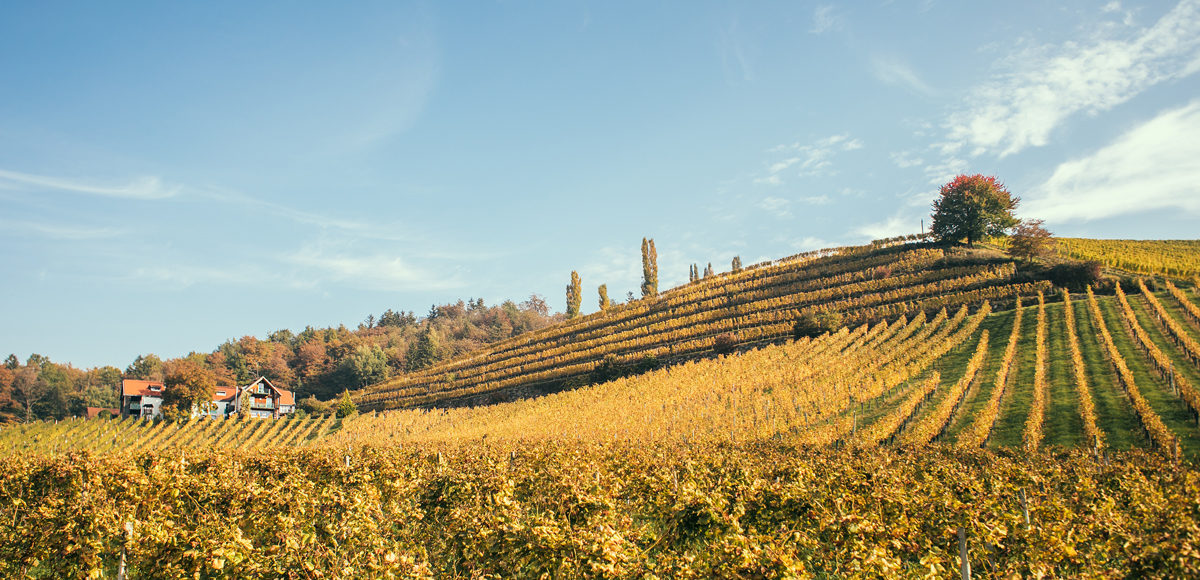
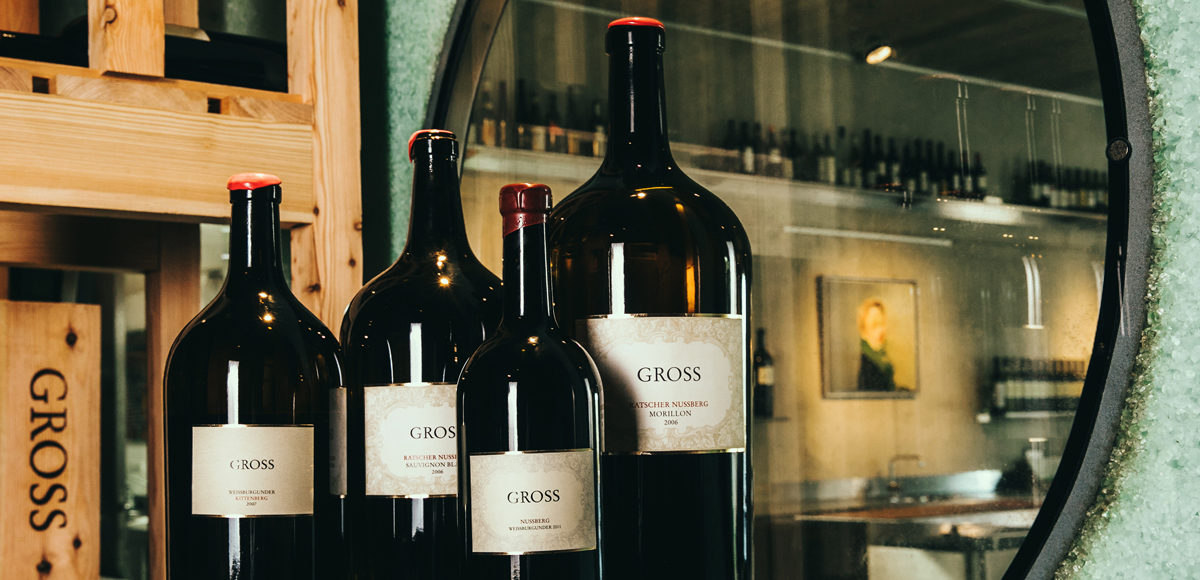
Gross. Let’s get this out of the way right up front. In German, gross simply means big. In modern wine parlance, it means great or grand, as in Grosses Gewächs. In Austria, it is also the proud name of a well-regarded family with more than a century of winemaking history. Johannes Gross is the fifth generation of the family to farm and make wine in Ratsch, on the poetically hilly, verdant edge of Südsteiermark (southern Styria). It’s a place defined by climatic tension between the Alps and the Adriatic with steep, terraced hillsides, a mélange of volcanic and sedimentary soils, and a range of traditional Styrian varieties, foremost sauvignon blanc. The family has holdings in some of Südsteiermark’s best sites, including the two single vineyards, Nussberg and Sulz. The terrain demands intensive handwork; yields are kept very low. In the cellar, the focus is on traditional vinification methods. The results are entrancingly aromatic, lively, by turns finessed and muscular — and revelatory in their varied expressions of Südsteiermark terroir. Johannes and his brother Michael (who leads the family’s winemaking at Vino Gross, just over the border in Slovenia) also collaborate under the name Brüder Gross (soon to be renamed Gross & Gross). Their Jakobi sauvignon blanc is a remarkable tribute to centuries of agrarian tradition in Südsteiermark. This regional sauvignon blanc is labelled with a woodcut-based pictograph that recounts the details of the vintage in iconography taken from traditional almanacs like the ones that hung in Johannes’ and Michaels’ grandmother’s kitchen when they were boys and that have been at the heart of Styrian farm life for centuries.
History
The family estate dates to the mid-18th century, with an ancestor’s purchase of a mixed farm in Ratsch. In 1907, Heinrich Gross bought a vineyard in the Witscheiner Herrenberg (now Slovenia), though it would be decades before the family specialized in wine alone. In the early 1980s, Alois Gross, Johannes’ and Michael’s father — inspired by “many discussions with winemakers around the world,” as Johannes explains — trained his attention on improving wine quality and is now widely regarded as a pioneer of quality winemaking in the region. Alois handed over the estate to Johannes when he was just 21; Alois knew from his own experience how important it is it be trusted to make decisions from an early age. Now Michael oversees the family’s Slovenian estate, Vino Gross in Gorca, while Johannes heads up Weingut Gross at home in Ratsch. They are two different operations, each with their own ideals and philosophies, united by shared family heritage and remarkably similar terroir and varieties.
Johannes Gross
“When I was six, I wanted to become an astronaut,” says Johannes. ”But I left the idea when I heard how long it takes you away from home. Today, it would be unthinkable for me.” Johannes wasn’t much older when, “listening to my father speaking about his wines,” he realized winemaking would be his future, too. “I didn’t study at university, but have done lots of work in the vineyards and cellars, travelled all over the world, and spoken with interesting people in the business.” Johannes and his wife, Martina, with support from Alois, now lead the estate. For them, “happiness is … living amidst vineyards, wild orchards and groves, surrounded by family, doing affectionate and dedicated work.”
Ratsch / Südsteiermark
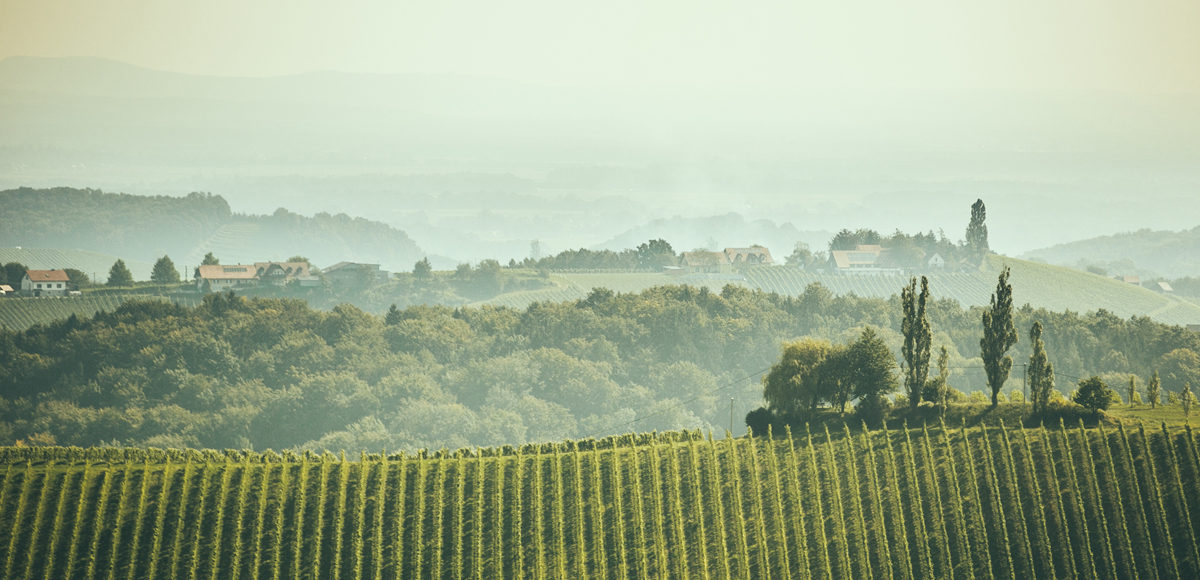
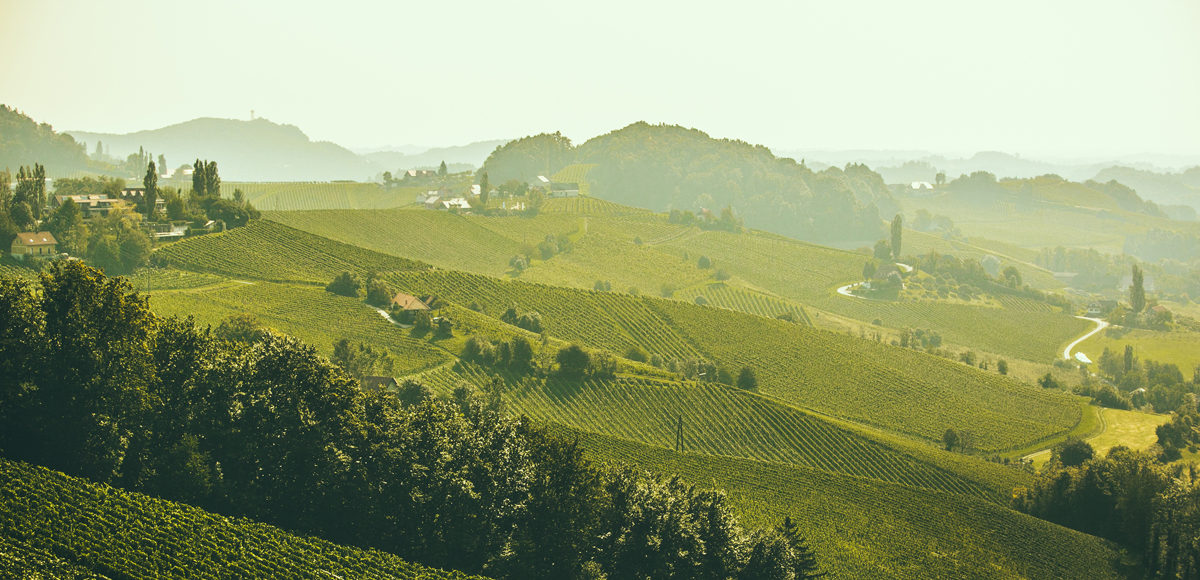
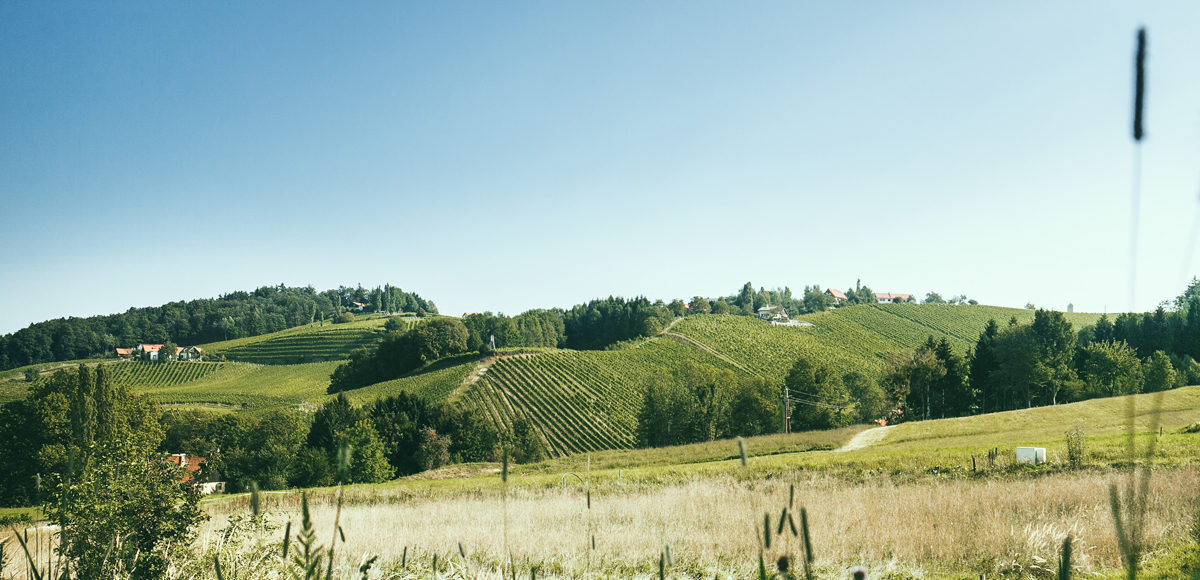
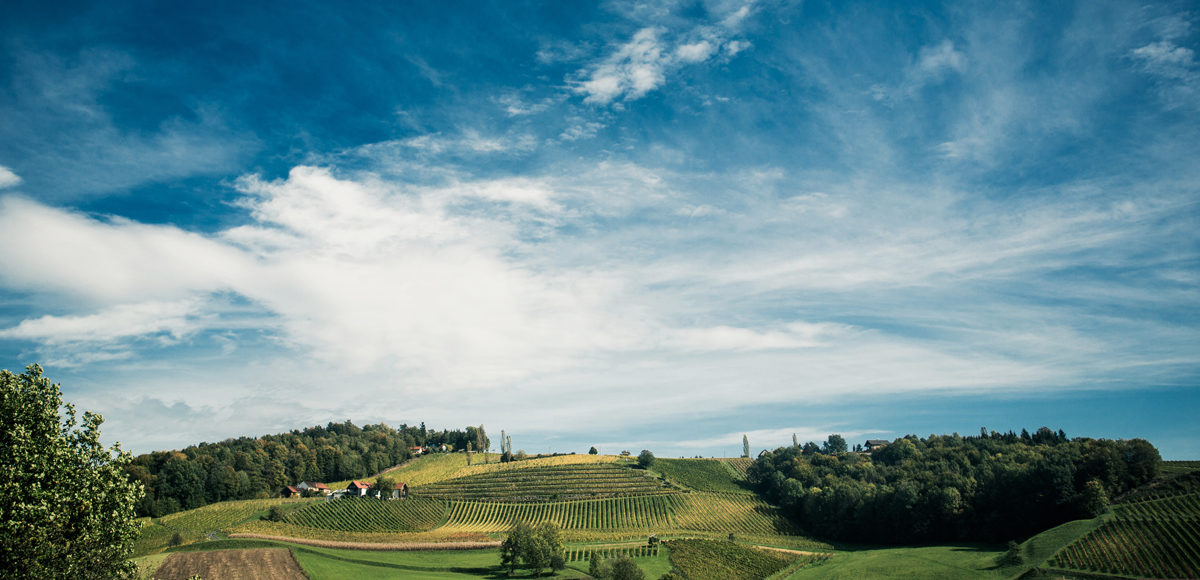
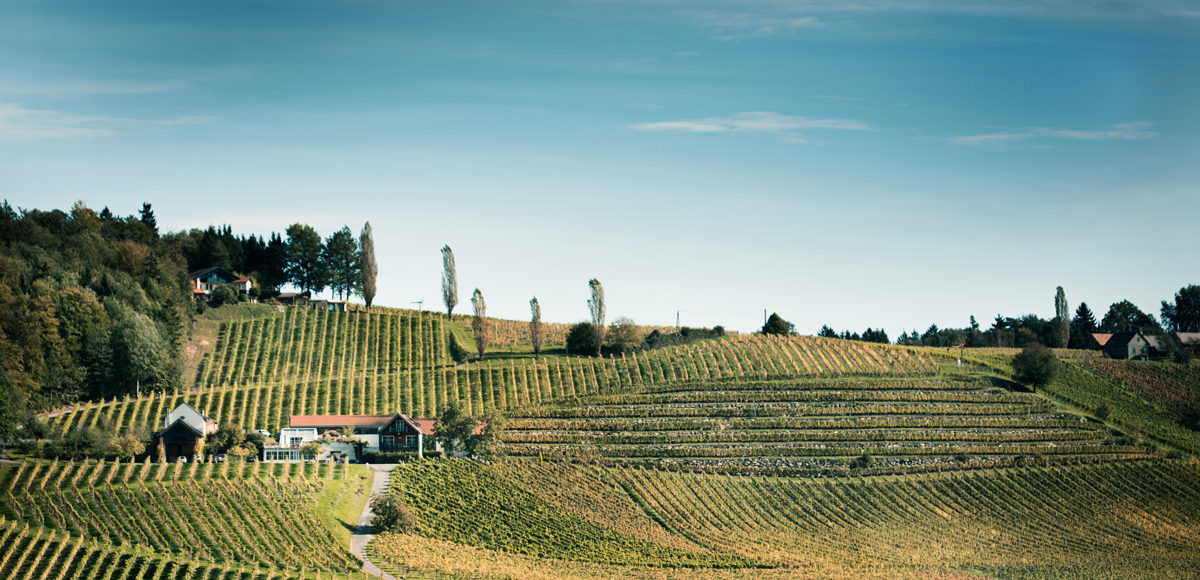
Südsteiermark is a poetically verdant, hilly region that stretches from the regional capital of Graz, east to the edge of Burgenland, and south to Austria’s Slovenian border. Nestled between the Alps and the Adriatic, steep amphitheaters of vines alternate with meadows, forests, and small fields for a storybook landscape and unique wine culture. “Viticulture has been practiced here since the Romans and is still the number one economic factor in this region,” Johannes explains. Under the Habsburgs, Styria extended into what is now Slovenia, creating a vast viticultural area, split when political borders were redrawn in the aftermath of the two world wars.
Johannes explains the geologic history behind the distinctive terrain: “When the primal ocean retreated around nine million years ago, clay and lime were piled up in criss-cross layers. Rivers and winds carried in gravel and sand, modelling hill after hill.” Soils are now a highly diverse mix of primal ocean and alluvial deposits: sand, gravel, marl (known locally as opok), and shell limestone, even some volcanic soils.
Ratsch is in the heart of Südsteiermark, one of three Styrian subregions, this widely regarded as best suited to the sauvignon blanc that is typically planted on the best parcels. Aromatic whites — including gelber muskateller, furmint, and welschriesling — are among the subregion’s calling cards.
“There are two major challenges to viticulture here: the climatic and the topographical,” notes Johannes. “Unpredictable weather, extremely steep hills, and a wide variety of soil formations in our vineyards are both a challenge and a gift. We need 600 working hours per hectare, which is a multiple of other wine regions. The high location of the vineyards near the Alps makes us a true cool climate area. Aromatic, fresh wines with natural acidity and energy grow naturally with us. The grapes become fully ripe in this Alpine-Mediterranean climate, and due to diurnal temperature variations of up to 20°C, they possess both freshness and aroma.”
Farming and vineyards
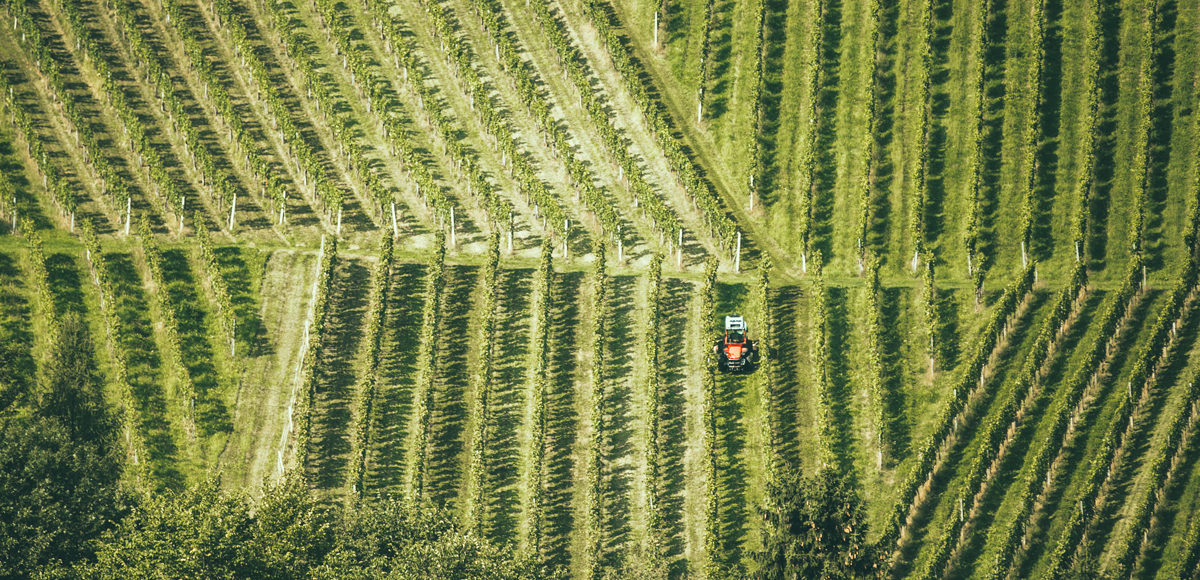
In a delicate climate, responsiveness is key. “We work each year a little bit differently according to crop, leaf, and soil management. We want balance in our wines, so we need balance in our vineyards. This also means less crop per vine – about 1-1.5 kg per vine. We are looking for a perfect grape according ripeness, without botrytis. We believe that there is a perfect ripeness window. This window we try to catch.” The wines are above all fresh, driven by natural acidity and energy that, in Johannes’s words, “grow naturally with us” thanks in large part to the heat-trapping function of the bowl-like vineyards and the nightly inflows of starkly cooler mountain air.
Johannes points out: “We find big differences between the soils in our village of Ehrenhausen, which are strongly calcareous, with marl and limestone, and our vineyards in the neighboring village of Gamlitz, where you can find gravel and sand, and very aromatic, early accessible wines grow” — foremost gelber muskateller.
The Gross family was able to purchase the Nussberg, a named vineyard since the 15th century, in 1986. (The prior owner left behind a bottle of “Nussberger” from the 1868 vintage.) It’s a bowl-shaped basin ranging between 370 and 460 meters (1,200 and 1,500 feet) above sea level, with slopes as steep as a startling 85%. Even within this single Ried, there is limestone, marl, and a flank of volcanic origin. Its exposures are south and west, and it opens to the Koralpe mountains in the west, allowing in cooler air.
Sulz is a south-facing site, sheltered from the Alpine climate in the west and open to the east. As a result, it’s one of Südsteiermark’s warmest sites. Its range of elevations is similar to Nussberg’s and only somewhat less steep. Soils are heavy chalk-bearing clay and conglomerate.
In the cellar
“In the cellar, we take many steps back to the techniques my father had at the beginning of his time as a winemaker,” Johannes says, echoing the sentiment of his generation.” In short: “Do not try to make a wine that was not already in the grape.” All the sauvignon blanc wines are destemmed and given a short maceration following by gentle pressing, slow, spontaneous fermentation in traditional wooden barrels, 12 months’ maturation in large traditional wooden barrels and another six months in stainless steel tanks. (Johannes strongly recommends decanting the single-vineyard bottlings.)
Ratscher Sauvignon Blanc, from limestone and loam soils, is given a brief maceration and longer aging in wood and steel for structure, balance and marked length. Ried Sulz Sauvignon Blanc comes from a very large vineyard (Grosslage) comprised of many small single vineyards (Einzellagen). Here the soils are limestone and clay, and vines are 27 years old. The wine is complex and muscular, showcasing the great aging potential of the family’s wines. Ried Nussberg is the top wine of the Gross estate, hailing from the eponymous small single vineyard. The soil is a mixture of clay and limestone and vine age ranges from 7 to 37 years. Nussberg is vinified just like Sulz, but where Sulz is muscular, Nussberg is all about finesse; it is elegant, with a refreshing saltiness, and incredible length and aging potential.
Gamlitzer Gelber Muskateller hails from the neighboring village of Gamlitz, where the soils are gravel and sand, giving highly aromatic and easy-drinking wines. The grapes are briefly macerated before undergoing a gentle press cycle. Spontaneous fermentation takes place in stainless steel tanks where the wine remains and matures for six months on the fine lees.
Gross & Gross: Jakobi
Johannes and Michael created the Jakobi project to honor a signature variety of Südsteiermark — sauvignon blanc — as well as the traditions and history of the region. The label is a woodcut-based pictograph that recounts all the significant details of the vintage — weather, lunar cycles, planting, pruning, harvest — in traditional iconography. It is based on the age-old Mandl (little figures) calendar, once created for the illiterate and still a feature in many homes in the region today. The wine takes its name from Jakobi (Saint James) — whose culturally significant feast day typically coincides with veraison — celebrated in Ratsch on July 25 each year. According to tradition, on this day, wooden windmills are erected in hopes that their rattling noise will keep birds away from the ripening grapes. The label represents a fascinating intersection between faith, agrarian custom, and modern winemaking that is well worth further research and study. The wine behind the label is a fresh, super drinkable sauvignon blanc sourced from Styrian and Slovenian vineyards.